


See more of Dutch Brief in your Google search results
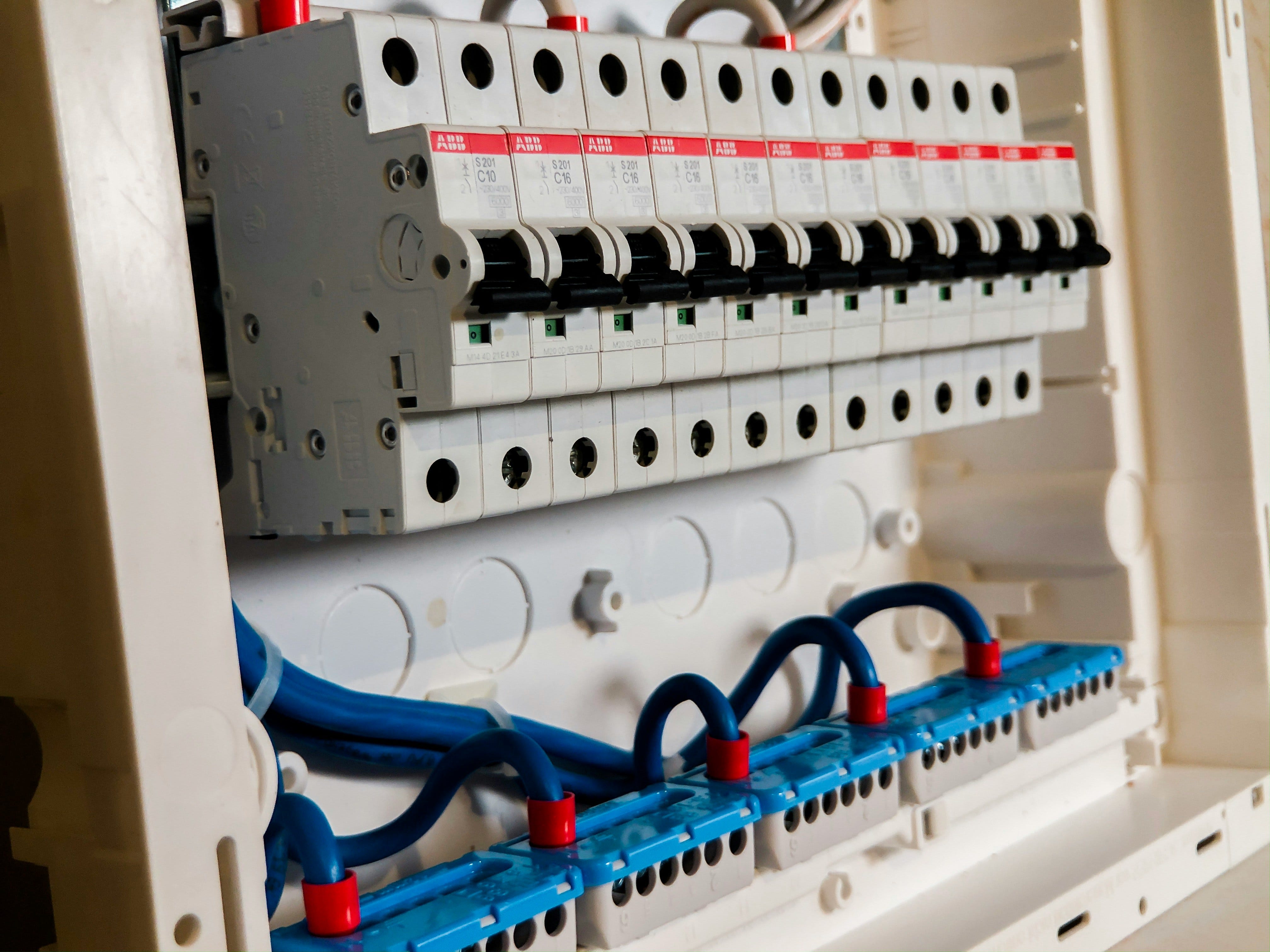
The payment structure for electricity grid use in the Netherlands will change significantly. Under the ACM’s proposal, starting in 2029, charges will depend on both the amount and timing of electricity use. Electricity will be more expensive during peak periods and cheaper during off-peak times.
What is changing
At present, every household pays the same fixed amount for its connection to the grid, regardless of how much electricity it draws. As the ACM puts it, “a small apartment with a few lamps and appliances pays just as much as a large house with a heat pump and its own charging point.”
The proposal would change this system by targeting the transport charge (transporttarief), which covers electricity delivery and accounts for about one-third of a typical bill. About one-third of this charge would remain fixed, while the rest would vary with usage and time. Rates would be divided into low, normal, and high periods, which would differ between summer and winter. For example, winter evenings from 5pm to 10pm would have the highest rates, while summer afternoons could see the transport charge drop to zero.
The overloaded grid
The change addresses the Netherlands’ persistently congested power grid. By making charges time-dependent, the ACM aims to encourage households to use electricity during less busy periods, such as charging electric cars overnight or running appliances in the afternoon, instead of during peak evening hours. “Households get an incentive to use the grid at times when it is less busy,” said ACM board member Manon Leijten.
The potential benefits are substantial. Network operators estimate that the change could reduce peak household demand by about 10 percent, allowing approximately 700,000 additional homes to connect without immediate grid reinforcement. In the long term, the ACM expects that fewer costly network upgrades will be required, helping to control costs for all users.
SPONSORED
You’re overpaying your accountant. And they still don’t call you back.

Neno gives you a dedicated bookkeeper, automated admin, real-time financial insights and a free business bank account. Everything your business needs, in one place.
No chasing. No surprises. No unnecessary costs.
Winners and losers
The impact on household bills will differ. The ACM estimates that about 60 percent of households, especially those with lower consumption such as apartment dwellers, will benefit. These households could save approximately 100 to 200 euros per year compared to current charges.
Heavier users will likely pay more. For example, a detached house with a heat pump and an electric car, even if usage is shifted as much as possible, could see annual charges increase by 300 to 450 euros. The homeowners’ association VEH has expressed concern for those who cannot easily adjust their consumption and may face higher costs through no fault of their own.
What happens next
This remains a proposal. Interested parties may submit feedback until 18 November. The ACM will make a final decision, expected in early 2027, allowing the new system to take effect in 2029. This measure complements time-based charges already planned for large business users from 2028.