


See more of Dutch Brief in your Google search results
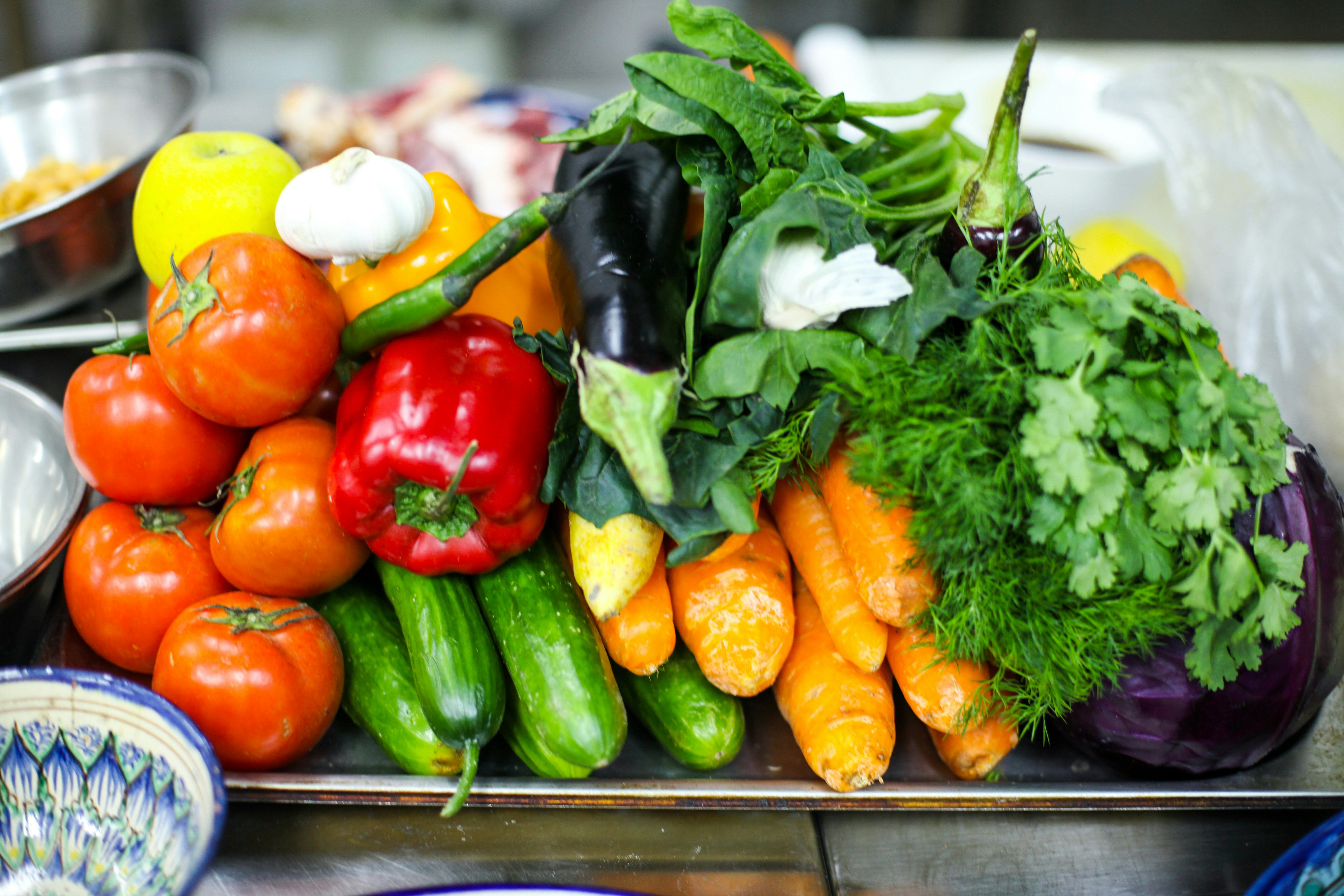
More genetically modified food is likely to reach shop shelves in the Netherlands once new European rules come into force, easing the current restrictions on growing and labelling gene-edited crops. Supporters say the change could mean healthier crops and fewer pesticides; critics warn it will make it harder for shoppers to know what they are buying.
What is changing
At present, farmers in the European Union need a special licence to grow genetically modified crops, and products must be labelled if they contain them. New rules, passed by the European Parliament before the summer recess and due to take effect in mid-2028, will relax those requirements considerably.
The key change concerns how different kinds of modification are treated. Under the new law, a crop whose genetic material looks as though it could have come about through conventional breeding, the age-old process of crossing and selecting plants, will in principle be assessed as a normal plant, even if it was in fact genetically modified in a laboratory. Crops that have been more heavily altered will remain subject to the current strict rules.
The trigger for the change is a set of methods known as “new genomic techniques”, which allow scientists to modify plants faster and more precisely than older approaches. Genetic modification changes an organism’s characteristics by adjusting its genetic material, for example by adding a trait or switching off an unwanted one, and can do so much more quickly than traditional breeding.
What it means in the supermarket
For shoppers, the most noticeable effect will be on labelling. As things stand, a product must state on the label if more than 0.9 percent of its content consists of genetically modified ingredients. That requirement will remain, but crops that are reclassified as normal plants will be exempt from it. From 2028, then, more crops will fall outside the labelling rules, and it will become less clear in the supermarket whether fruit, vegetables or products made from them have been genetically modified.
SPONSORED
You’re overpaying your accountant. And they still don’t call you back.

Neno gives you a dedicated bookkeeper, automated admin, real-time financial insights and a free business bank account. Everything your business needs, in one place.
No chasing. No surprises. No unnecessary costs.
The case for it
Researchers working on the technology point to concrete potential benefits. On a trial field on the clay soils near Lelystad, scientists and the agriculture ministry are growing dozens of varieties of potato, most of them genetically adjusted to resist potato blight (Phytophthora), a disease that can destroy an unprotected crop with alarming speed.
“In the short term, genetic modification can help make crops resistant to diseases, so that fewer pesticides are needed,” said Ania Lukasiewicz, who leads the research at Wageningen University. “In the longer term, it can help make crops better able to withstand extreme climate conditions, for example.” That, in essence, is the promise: hardier plants, less chemical spraying, and crops better suited to a changing climate.
The concerns
The change is not without critics, and their objections fall into two distinct camps.
The first is about transparency and choice. Michelle Habets, a researcher at the Rathenau Institute, a science and technology think tank in The Hague, spoke with dozens of Dutch consumers while the law was being drawn up. “I wonder what this does to citizens’ trust in government,” she said. On one point, she found, people were united. “Everyone agreed that genetically modified crops should be labelled,” she said. “People admitted they don’t always look at every label in the supermarket, but they think transparency is important, as is the freedom of choice for those who, for whatever reason, don’t want to eat those crops.” One of her recommendations was to keep labelling and choice for all genetically modified food.
The second concern is more fundamental, and questions whether the technology addresses the right problem. Jeroen Candel, an associate professor of agricultural and food policy at Wageningen University, acknowledged that gene editing could reduce pesticide use, but was wary of the bigger picture. “The new law is based on the idea that we can optimise the current agricultural system with technology,” he said. “By doing that, we are maintaining a system that is not sustainable in terms of its impact on the climate and biodiversity.”
A promise that lost its other half
There is also an awkward piece of history behind the law. The relaxation of the GM rules was originally tied to a separate proposal to halve the use of pesticides in the EU by 2030, a demanding target for farmers, which was part of the reason for also giving them more scope to modify their crops. But that pesticide bill was later withdrawn, after European Commission president Ursula von der Leyen said it had become “a symbol of polarisation”. The GM relaxation went ahead regardless. In the Netherlands, a voluntary agreement on pesticides is now being prepared, but concrete targets have not yet been set.
Even the technology’s advocates say it is only part of the answer. “A broad approach is needed, with fewer pesticides, less fertiliser, more efficient use of water and less waste,” said Lukasiewicz. “New genomic techniques are mainly an extra method to create new varieties more quickly and efficiently.” In other words, gene editing may prove a useful tool, but, on the evidence of those closest to it, not a solution on its own.