


See more of Dutch Brief in your Google search results
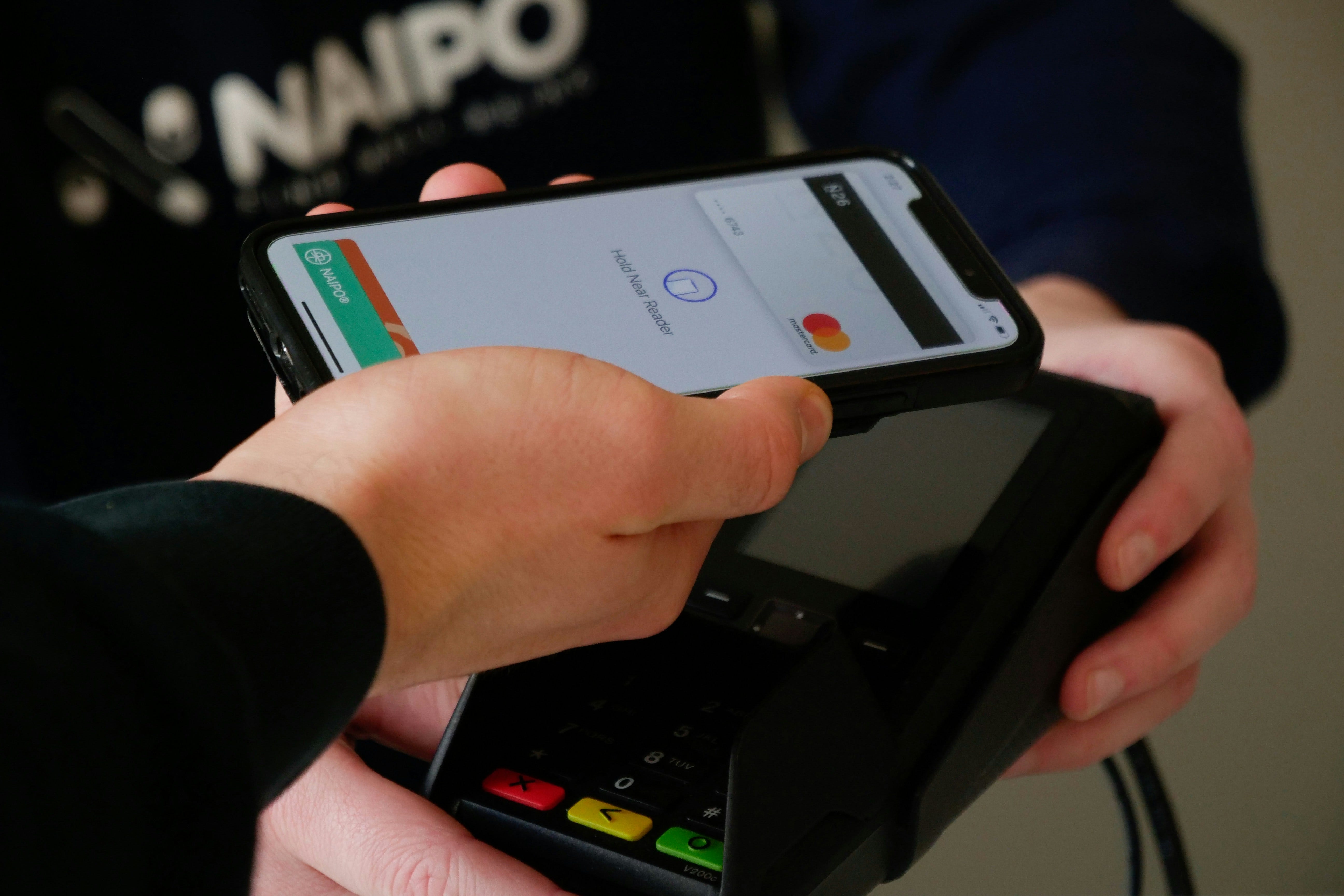
Fraud involving mobile payment apps such as Apple Pay and Google Pay is increasing in the Netherlands, the Fraud Helpdesk (in Dutch, the Fraudehelpdesk) has warned. The organisation, which collects reports of scams and advises the public, says criminals are finding new ways to misuse people’s payment cards, and that victims have sometimes lost thousands of euros.
What the Fraud Helpdesk is warning about
According to reporting by RTL Nieuws, criminals steal someone’s card details, add the card to a mobile wallet on their own phone, and then use it to make payments. The Fraud Helpdesk says it has been receiving reports of this since February, and that it expects the fraud to become more common, because criminals often test a new method on a small scale before using it more widely.
The sums involved are significant. The average loss is more than 1,000 euros, according to the Fraud Helpdesk, and one victim lost 2,100 euros.
How the scam works
Importantly, the payment apps themselves are not being hacked. Services like Apple Pay and Google Pay let you pay by linking a bank or credit card to your phone, after which you confirm payments with a fingerprint, face scan or PIN. That is secure as long as you are the only person with access to your phone.
The fraud works by getting around that. Criminals first obtain a victim’s card details, usually through phishing, and then link that card to a wallet on their own device. To do so, they need the verification step that normally confirms a new card, which they try to intercept or trick the victim into completing. Once the card is on their phone, they can spend from it.
According to Pepijn Slappendel, a fraud prevention specialist at the firm DataExpert, the method itself is not new, but the technology has made it easier. “Where a physical card was once needed, fraudsters now install a digital payment card on their own phone,” he told Omroep Brabant. Often, he said, victims do not notice, because while they think they are paying a bill or confirming their identity, the criminals are quietly linking their own phone to the victim’s account.
SPONSORED
You’re overpaying your accountant. And they still don’t call you back.

Neno gives you a dedicated bookkeeper, automated admin, real-time financial insights and a free business bank account. Everything your business needs, in one place.
No chasing. No surprises. No unnecessary costs.
Why it is hard to spot
Part of the problem is that this kind of fraud can stay under the radar. Fake payment websites have also become easier to produce: Slappendel said fraudsters who have one phishing site can now use tools such as ChatGPT to quickly adapt it to look like the site of a specific bank, making the messages more convincing.
Calls in the name of Apple Pay and Google Pay
The Fraud Helpdesk has also warned about a related trick. Last month it reported that scammers were phoning people while pretending to be from Apple Pay or Google Pay. Victims hear an automated recording and are put through a menu to a scammer, who then tries to gain access to their computer or bank account. The advice in that case is simple: end the call immediately and never share any details.
How to protect yourself
The Fraud Helpdesk and security experts give broadly the same advice. Check your bank and credit card statements regularly, so you spot unfamiliar transactions early. Be careful about sharing your card details, and never pass on a verification or confirmation code. Be suspicious of any unexpected message, by email, text or phone, that asks you to pay or to check your details; do not click on links in such messages or call phone numbers they provide, and instead contact your bank yourself using the details on your card or its official app or website.
If you do see a suspicious transaction, contact your bank or card provider straight away to have the card blocked. You can also report the fraud to the police and to the Fraud Helpdesk.