


See more of Dutch Brief in your Google search results
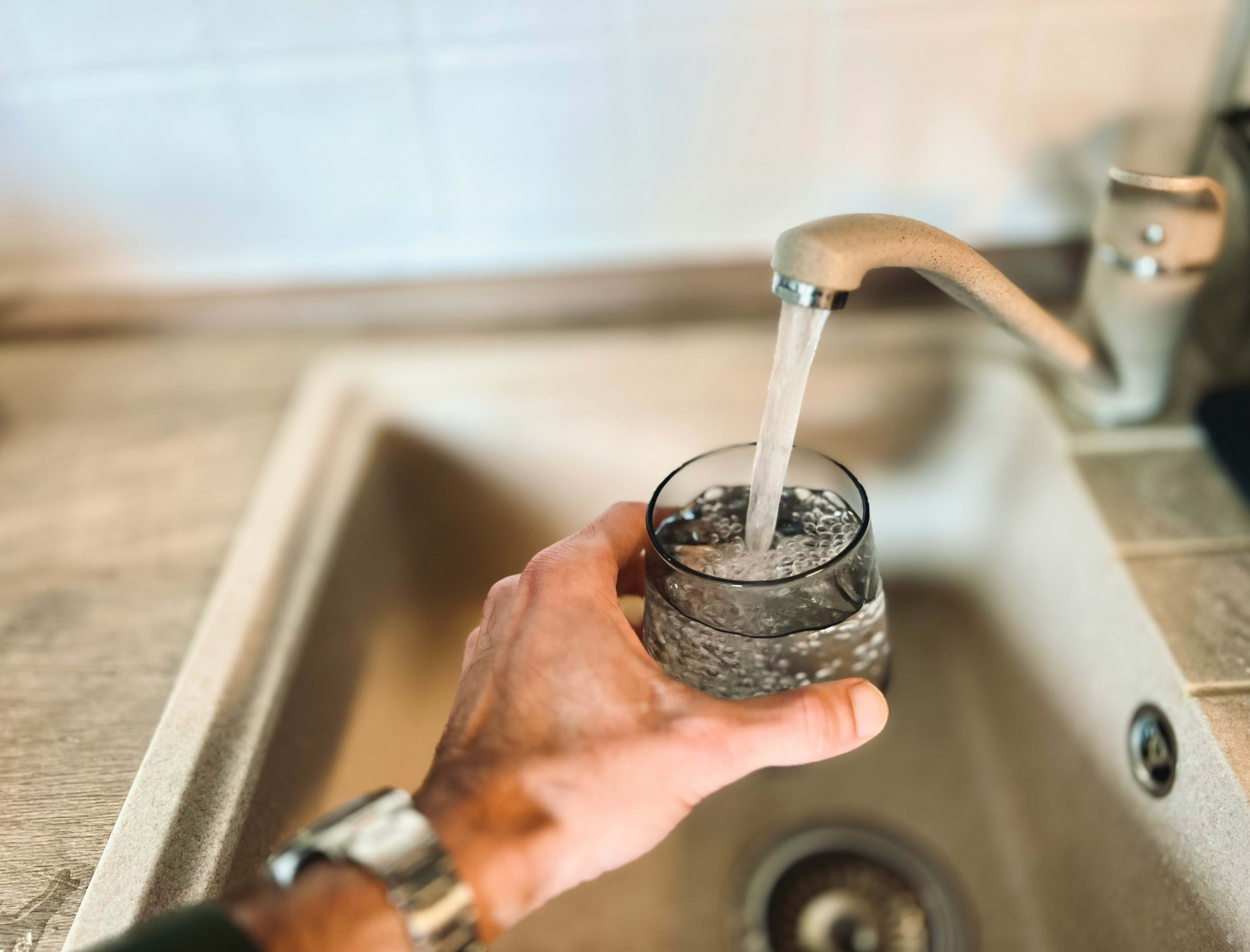
The Netherlands' environmental watchdog has issued a serious warning regarding the future of the country's drinking water. They have highlighted that "forever chemicals" found in pesticides are presenting an increasing risk. It's important to note that while the tap water currently meets legal safety standards, there are concerns about future trends in water quality.
What the inspectorate found
The warning comes from the Human Environment and Transport Inspectorate (ILT), in a report sent to the House of Representatives. It concerns PFAS, a large family of man-made “forever chemicals” so named because they barely break down in the environment, or do not break down at all, and can be harmful to health.
The specific substance at the heart of the report is trifluoroacetic acid, or TFA, a type of PFAS that forms when certain pesticides break down. According to the inspectorate’s new calculations, at least 21,000 kilos of TFA enter the water each year through pesticides. That makes pesticides one of the single largest sources of PFAS pollution in the Netherlands. By way of comparison, the inspectorate says, the entire industrial sector emits around 2,000 kilos a year, roughly a tenth as much.
PFAS-containing pesticides are used in Dutch agriculture, notably in potato farming, where crops are heavily affected by potato blight. From there, the chemicals spread into the surroundings through air and water, seeping into the soil, crops, groundwater and surface water.
A rapidly rising trend
The main concern of the inspectorate is the trajectory. The amount of PFAS-containing pesticides used each year has nearly doubled in a short time, rising from 250,000 kilos in 2022 to 465,000 kilos in 2024. As use climbs, more TFA is produced, and people are exposed to steadily more of it. “We consider 21,000 kilos of TFA a truly enormous quantity,” said Edwin van Houten, the ILT’s director of supervision and enforcement.
The concern is not only surface water. “It is already in surface water and shallow groundwater layers, and we are seeing that it is also reaching deeper groundwater layers, from which drinking water is extracted,” Van Houten said. The inspectorate warns that if nothing changes, within 20 years the level of TFA in the deep groundwater used to make drinking water will also rise above the advisory limit set by the public health institute RIVM.
SPONSORED
You’re overpaying your accountant. And they still don’t call you back.

Neno gives you a dedicated bookkeeper, automated admin, real-time financial insights and a free business bank account. Everything your business needs, in one place.
No chasing. No surprises. No unnecessary costs.
Is the tap water safe now?
This is a crucial point regarding water quality. Dutch drinking water currently meets legal standards, and there is no indication that what comes from the tap is unsafe to drink. The nuance is that drinking water made from surface water usually already contains more PFAS, mostly TFA, than the RIVM’s advisory value, which is a stricter, precautionary guideline rather than the legal limit. The warning, in other words, is about a slow-building, long-term problem, and about protecting a resource for the future, not about an immediate danger this week.
The health concerns associated with PFAS are indeed serious. The chemicals have been linked to a range of effects: they can make people more susceptible to illness, affect the development of unborn children, and cause damage to the liver and the hormone system. The European Chemicals Agency (ECHA) warned this year that TFA may be more dangerous than previously thought, including possible harm to the unborn child and to fertility.
‘Passing the bill to future generations’
“We are passing the bill on to future generations,” said ILT inspector-general Mattheus Wassenaar, arguing that from the perspective of protecting drinking water and health, tackling PFAS discharges and rapidly phasing out PFAS pesticides is necessary.
The ILT is not the first body to raise bring attention to this issue. In April, the Board for the Authorisation of Plant Protection Products (Ctgb) announced it was investigating a ban on PFAS-containing pesticides, with a verdict expected around April next year. The issue also sits within a wider, well-documented PFAS problem in the Netherlands, from contamination in the Westerschelde to concerns about industrial discharges into the Rhine and Meuse, much of which crosses borders and which the Netherlands and other EU countries have proposed tackling through a broad European PFAS ban.
The government says it takes the signals seriously. In a letter to parliament, the minister for infrastructure and water management, Vincent Karremans, called the inspectorate’s findings worrying. What happens next, in particular whether PFAS pesticides are phased out, will help determine whether the inspectorate’s 20-year warning comes to pass.