


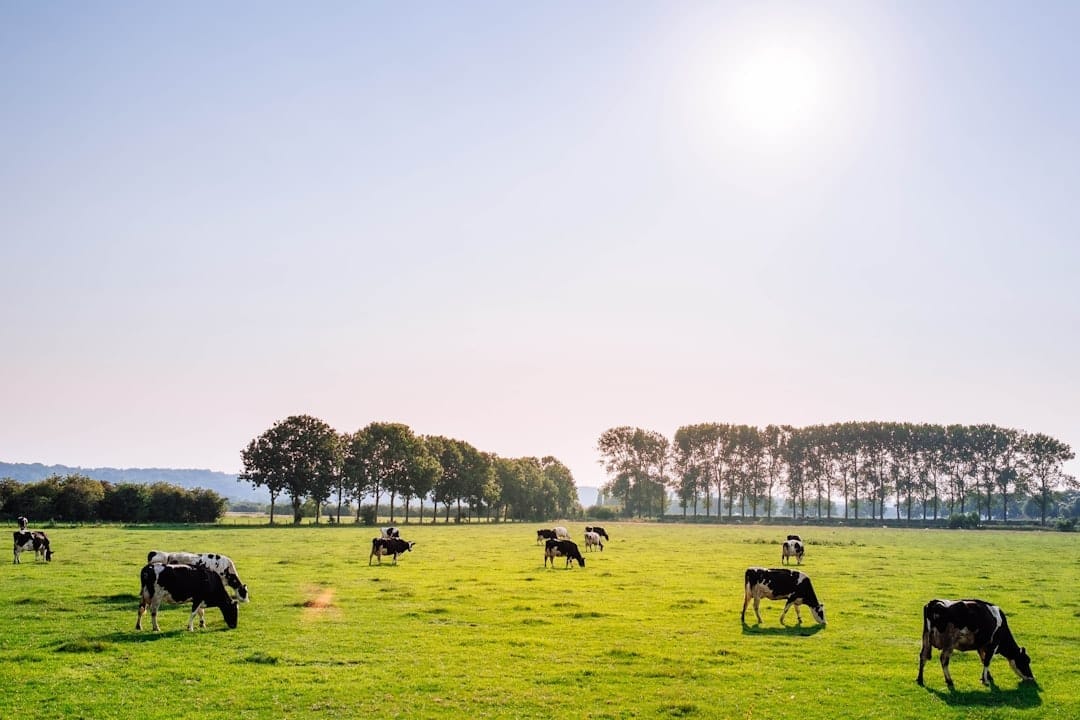

For the first time in Europe, a dairy cow has been found with antibodies against the bird flu virus H5N1. The cow was on a farm in the municipality of Noardeast-Fryslân in the northern province of Friesland, the Dutch Ministry of Agriculture announced on Thursday.
The discovery came after two cats became ill at the end of December. One of the cats tested positive for bird flu and died two days later. The Dutch food safety authority NVWA traced the cat to the dairy farm and tested the cattle there on 15 January.
No active virus was found in the herd, but one cow had developed antibodies against H5N1, indicating she had been infected at some point and recovered. The cow had experienced udder inflammation and breathing problems in December, symptoms that can occur with bird flu in cattle. By the time of testing, she had fully recovered.
No sign of wider spread
The NVWA returned to the farm on 22 January and took blood and milk samples from all cattle. Nearly all PCR tests came back negative, as did the bulk tank milk. Five samples had to be retested due to a laboratory error, with results expected over the weekend.
The ministry said there are currently no signs that the virus is actively circulating among cattle on the farm or that it has spread to other dairy farms. Regular monitoring of animal health in the Netherlands has not picked up any signals suggesting bird flu is spreading among dairy cows.
Experts will now conduct an additional risk assessment, analyse possible transmission routes, and evaluate whether current monitoring is sufficient. The national public health institute RIVM will convene a zoonoses response team to reassess the situation.
Poultry sector hit hard
The discovery in cattle comes as the Netherlands battles a severe bird flu outbreak in the poultry sector. Since October 2025, more than 1.6 million birds have been culled across dozens of farms to prevent the virus from spreading. A nationwide housing order requiring all poultry to be kept indoors has been in effect since mid-October.
Bird flu has become an almost annual occurrence in the Netherlands. Between 2021 and 2023, nearly 7 million birds were culled. The worst outbreak in Dutch history was in 2003, when more than 30 million birds were killed and the economic damage ran into hundreds of millions of euros.
The government is conducting trials with bird flu vaccines, but large-scale vaccination has not yet been implemented due to concerns about trade restrictions and the logistics of vaccinating millions of birds.
Different strain than in the US
Bird flu has been widespread among dairy cattle in the United States since March 2024. The virus has been detected in dairy herds across 19 states, causing reduced milk production, fever, loss of appetite and abnormal milk consistency. Most cows recover within about two weeks, though they can remain infectious during that period.
However, authorities emphasise that the virus strain circulating in American cattle has not been found in Europe. The cow in Friesland was infected with the H5N1 strain that is present in European wild bird populations, not the variant responsible for the US dairy outbreak.
In the US, dozens of people have been infected with bird flu after exposure to infected cattle or poultry. One person died in early January 2025. Dutch authorities say the risk to the general public remains very low.
Milk supply is safe
The RIVM has assessed the risk of bird flu transmission to humans as very low based on current information. Pasteurisation, the standard heat treatment applied to milk in the Netherlands, completely inactivates the virus.
The milk from the infected cow was already being kept separate due to her udder inflammation and did not enter the food supply. Dutch eggs, meat and milk products meet strict safety standards, according to the ministry.
However, raw milk products from infected cows should not be consumed. The ministry emphasised that people who may have been in close contact with the infected cow will be offered testing as a precaution, though no symptoms have been reported so far.
What happens next
The situation remains under close watch. Virologist Marion Koopmans told Dutch media that the discovery was not unexpected given what has happened in the US. "In America, the virus became very widespread among cows before it was even noticed," she said. "When it became known, the Netherlands and Germany immediately started extensive testing among cattle."
The ministry has asked farmers and veterinarians to remain alert for possible symptoms. Cattle can shed the virus for about two weeks after infection, mainly through their milk, even if they show no clear signs of illness.
For now, Dutch authorities see no indication of a larger outbreak, but the first European detection marks an important development in the ongoing global spread of H5N1.