


Coalition talks between D66, VVD and CDA are continuing, with February 23 now being treated as a practical target date to have a cabinet deal ready. It is not a legal deadline, but it functions as a political one: a way to keep momentum and to show voters, parliament, and civil service that the formation is moving toward a finish line.
The talks are taking place while the Netherlands is still run by a caretaker government, which can manage day-to-day business but has limited room for major new policy decisions.
A rare plan, a minority cabinet by design
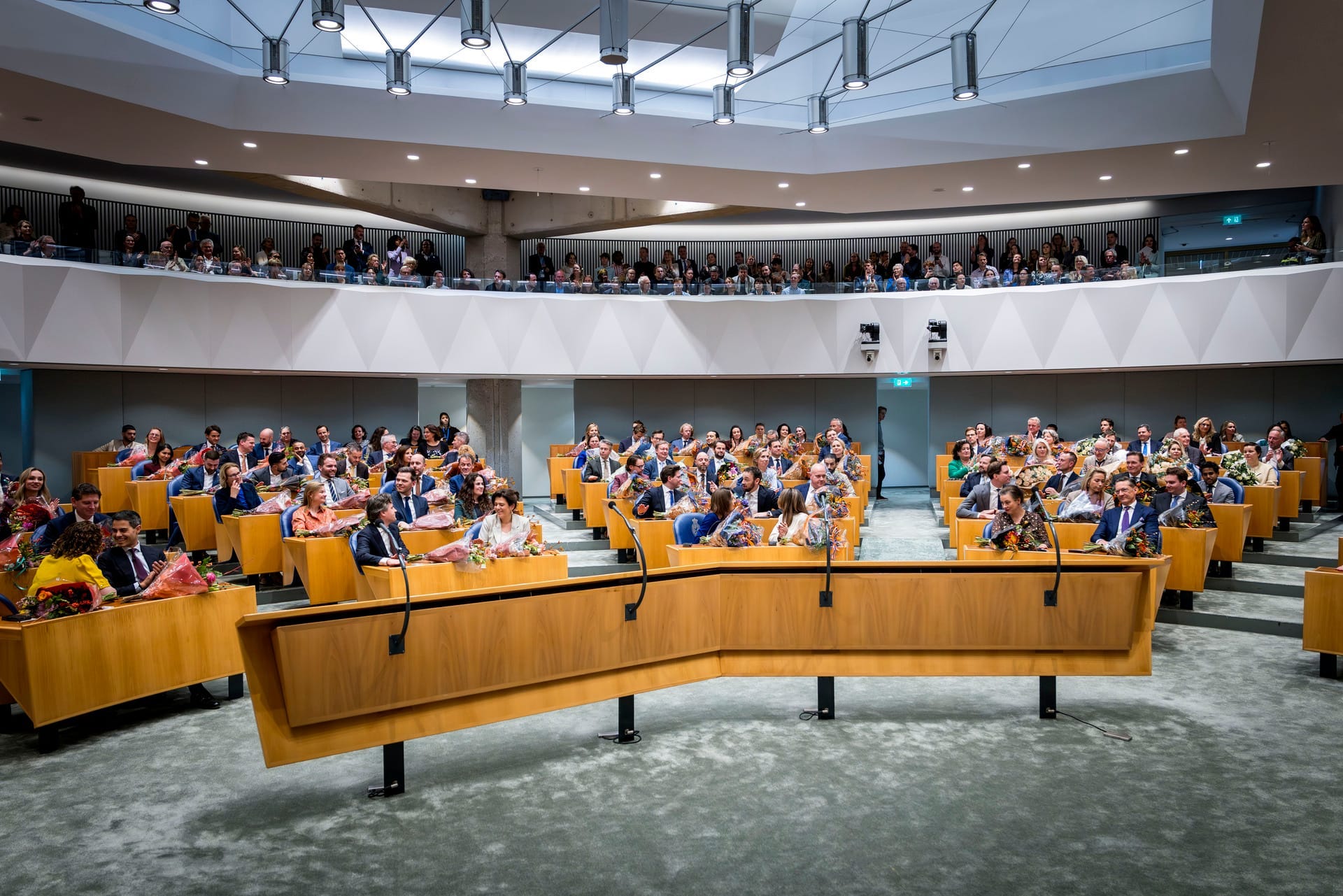
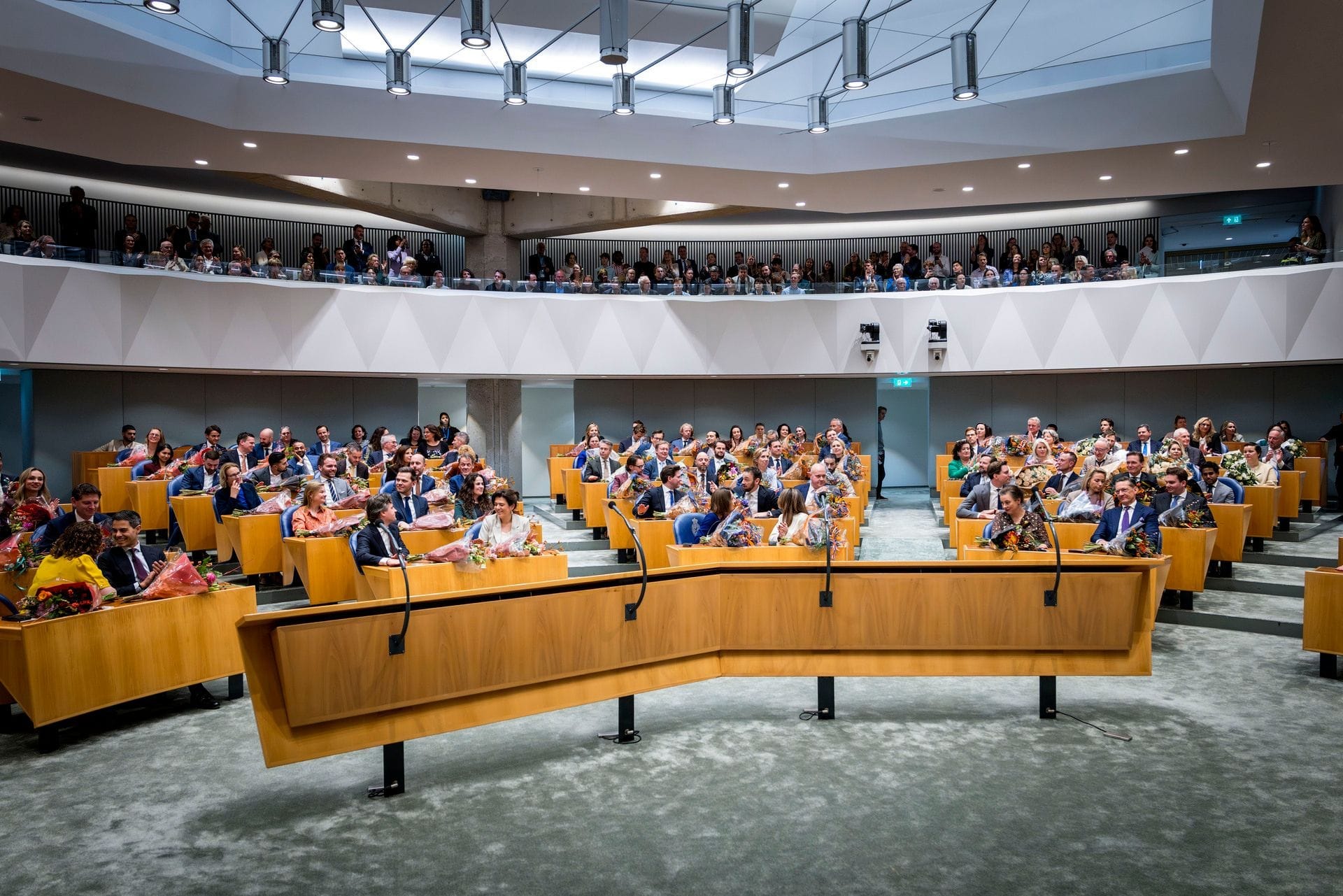
The three parties have chosen a path that is unusual in modern Dutch politics: forming a minority cabinet. Together, D66, VVD and CDA have 66 seats in the 150-seat House of Representatives, which is 10 short of a majority. In the Senate, they are also well short of a majority, which adds another layer of complexity for any legislation that needs approval in both chambers.
This approach follows weeks of attempts to find a more traditional majority coalition. But key combinations were blocked politically. VVD has ruled out cooperation with the GroenLinks–PvdA alliance, while D66 has been reluctant to build a cabinet that includes JA21 alongside VVD. With the far-right PVV also excluded by several mainstream parties, the space for an easy majority narrowed sharply.
What they still need to agree on
The biggest unresolved area is money. The parties are still negotiating their financial strategy: which plans will be funded first, where savings might be found, and whether new policies will require higher taxes, cuts elsewhere, or more borrowing. The challenge is that the next government faces several expensive priorities at once, including housing, defence, energy transition, and public services, while also needing to present a credible budget path.
This debate is especially difficult for a minority cabinet because it cannot simply write a budget and pass it with its own votes. Any major spending plan needs a support strategy in parliament, and that support often depends on what other parties will demand in return.
The role of Rianne Letschert, and the current pace of talks
The process is being guided by chief negotiator Rianne Letschert, who is coordinating the next rounds of negotiations. Reporting on the current phase describes talks continuing across multiple days, including sessions scheduled on Friday and Saturday, which signals that the parties are still in “closing the gaps” mode rather than restarting from scratch.
Earlier in the formation, Letschert was also given timelines meant to force decisions, including a previous milestone near the end of January. The shift toward a February 23 target shows that progress has been made, but also that some issues remain too politically sensitive to settle quickly.
Opposition parties are being pulled into the process
Because a minority cabinet needs votes outside the coalition, opposition leaders have been meeting Letschert to discuss how the arrangement could work in practice. The key question is not only “who supports the cabinet,” but “how support is organised” so the government does not collapse the first time a major bill runs into trouble.
In Dutch politics, this can take different forms. Sometimes parties agree on a broad “support framework” for budgets and a limited set of reforms. In other cases, support is negotiated issue by issue, which can work but tends to slow decision-making and increases the risk of sudden defeats in parliament.
Recent reporting suggests that some opposition parties do not want to be seen as blocking the formation of a government outright, which could make it easier to get a minority cabinet started. But “not blocking” is not the same as “guaranteeing support,” and the cabinet would still need stable partners for annual budgets, immigration measures, and large spending decisions.
Why February 23 matters for what happens next
If the three parties can reach agreement by the February 23 target, the next steps would typically include finalising the main policy document, dividing ministerial posts, completing candidate checks, and preparing for a formal swearing-in. Reporting around the talks has pointed to hopes of getting a new government in place by late February or shortly after, depending on how quickly remaining issues can be settled and whether parliamentary support looks credible.
If they miss the date, the political risk rises. Not because the talks must legally end, but because delays tend to weaken trust, increase internal party pressure, and create more space for opposition criticism. In a minority setup, momentum matters: once the cabinet starts, it will need to prove quickly that it can actually govern with a fragmented parliament, or it may face repeated crises from the start.