


See more of Dutch Brief in your Google search results
EU member states and the European Parliament have agreed a major reform of air passenger rights that will, from 2027, ban airlines from charging passengers extra for hand luggage. Travellers across Europe will gain a guaranteed right to take a small personal item and a wheeled cabin bag on board for free, while existing rules on compensation for long delays and cancellations are largely kept in place. The deal was struck on Monday, after more than ten years of negotiation.
What changes for passengers
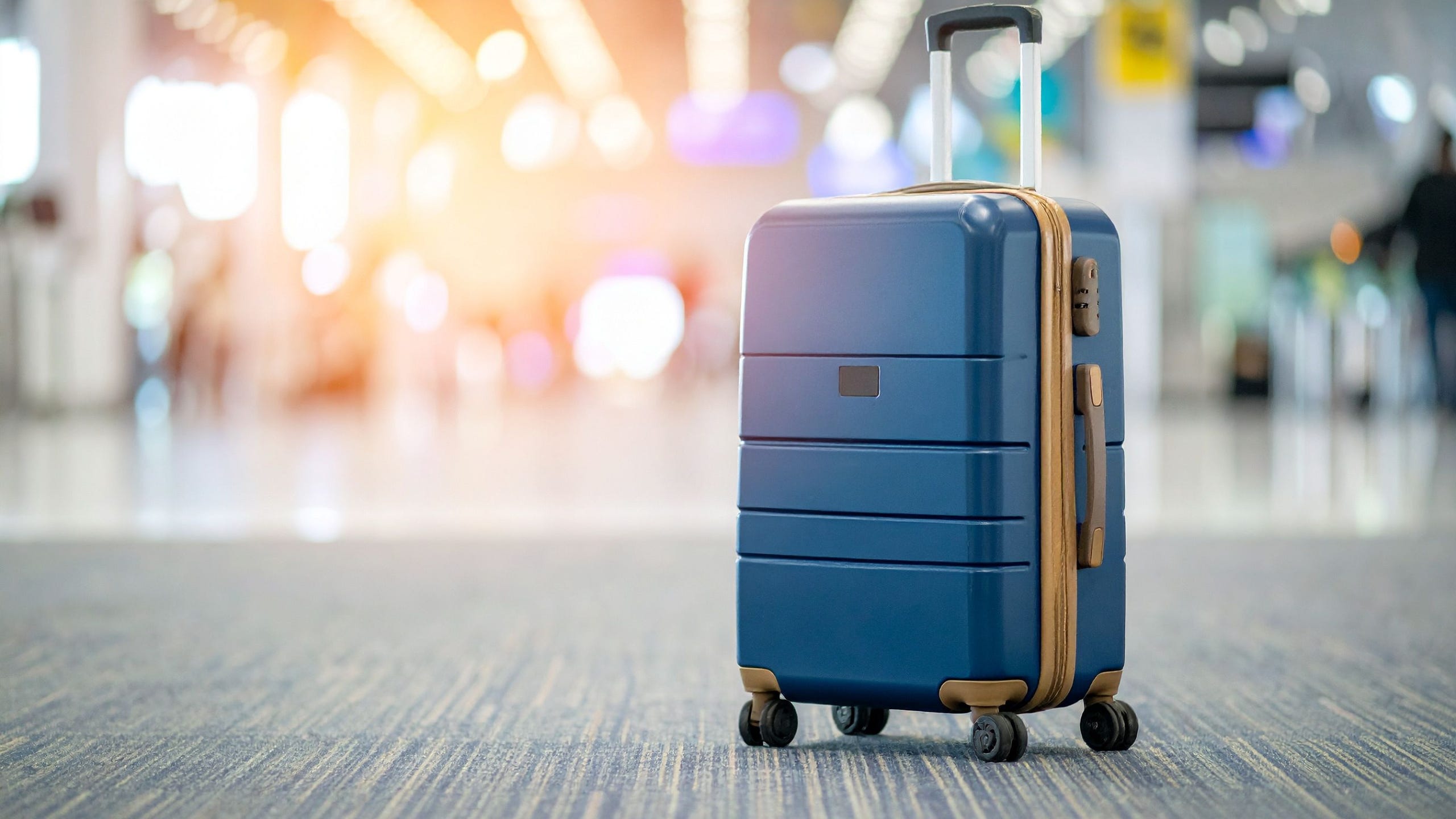
From the moment the new rules take effect, every passenger flying from or to the EU on a European airline will have the right to bring two pieces of hand baggage at no extra charge: a small personal item of 40 x 30 x 15 cm (such as a handbag or backpack) and a wheeled cabin bag of up to 7 kg, with combined dimensions of less than 100 cm. Both must be included in the basic ticket price. Airlines may still offer discounted “no luggage” fares to people who want to travel with even less, but they may not charge extra for the standard hand-luggage allowance.
The change effectively ends a practice that became widespread among budget carriers such as Ryanair, easyJet, Wizz Air, Vueling and Transavia, in which a basic ticket comes only with a small bag that fits under the seat and a wheeled cabin bag costs an extra fee.
SPONSORED
You’re overpaying your accountant. And they still don’t call you back.
Neno gives you a dedicated bookkeeper, automated admin, real-time financial insights and a free business bank account. Everything your business needs, in one place.
No chasing. No surprises. No unnecessary costs.
Compensation rules largely kept
The deal also settles a long fight over compensation for delays and cancellations. Passengers keep their right to claim compensation when their flight is delayed by more than three hours, with amounts ranging from €250 for short flights to €600 for the longest ones. According to Euronews, the new text clarifies that airlines have to pay €300 for flights of more than 3,500 km and €600 when a delay is more than four hours or the flight is cancelled. The European Commission had previously tried to raise the threshold to four hours and lower the amounts, and some member states had pushed for a maximum of €500. In the end, those reductions did not make it into the final text.
Passengers will have nine months to submit a compensation claim, and airlines 30 days to either pay out or substantiate a refusal.
More for families and vulnerable passengers
The reform also includes a series of smaller but practical wins for travellers. Families with a child under 14, pregnant women and passengers with reduced mobility will have the right to be seated next to a partner or guardian at no extra cost. Passengers with a disability or reduced mobility who miss a flight because the airport did not help them to the gate in time will be entitled to compensation, rerouting and assistance. Airlines will no longer be allowed to charge passengers for correcting typos in the name on a ticket, and printing a boarding pass at the airport will be free for travellers who have already checked in digitally. Passengers will also have the right to a digital boarding pass without being forced to install an app or create an account.
Spain votes against, airlines push back
Not everyone is satisfied. Spain voted against the deal, saying it does not go far enough on hand baggage. Madrid had argued, with the backing of several Spanish courts and the EU Court of Justice, that travellers should be entitled to a free wheeled cabin bag too, not just a free under-seat bag. Madrid had earlier fined five low-cost airlines for charging for hand baggage, and the European Commission objected to those fines. The new text leaves the legal status of the cabin bag itself slightly ambiguous, although it does now guarantee one as part of the standard ticket price.
Airlines for Europe (A4E), the umbrella body of European carriers, has long opposed the rules. Its president, Ourania Georgoutsakou, has compared mandatory free hand baggage to “compulsory popcorn and drinks as part of your cinema ticket” and warned of higher overall ticket prices, longer turnaround times for aircraft and possible extra delays if too many bags do not fit in the overhead bins. Ryanair, Wizz Air and easyJet have called the rules “unworkable.” Ryanair has nonetheless already adjusted its allowed dimensions to align partly with a separate, less ambitious A4E-Commission agreement.
The Dutch context
For Dutch travellers, the change has direct consequences. Since April 2024, the standard wheeled hand-luggage suitcase is no longer free with Transavia, the KLM-owned low-cost carrier; the company has previously told Het Financieele Dagblad that the new fees brought in more money than expected. Dutch consumer association Consumentenbond, together with 15 other European consumer organisations, has filed complaints with the European Commission about the practice. From 2027, that revenue stream will largely disappear. KLM itself continues to include a hand-luggage bag in its basic fare and will be less affected.
Next steps
The deal still has to be formally confirmed by the European Parliament and the Council, which is expected later this year given that the agreement was reached with parliament’s own negotiating delegation. After formal adoption, the new rules will be phased in from 2027. Airlines warn that ticket prices may rise as a result; passenger organisations say the change ends what they have long called a “milking cow” of hidden fees.