


See more of Dutch Brief in your Google search results
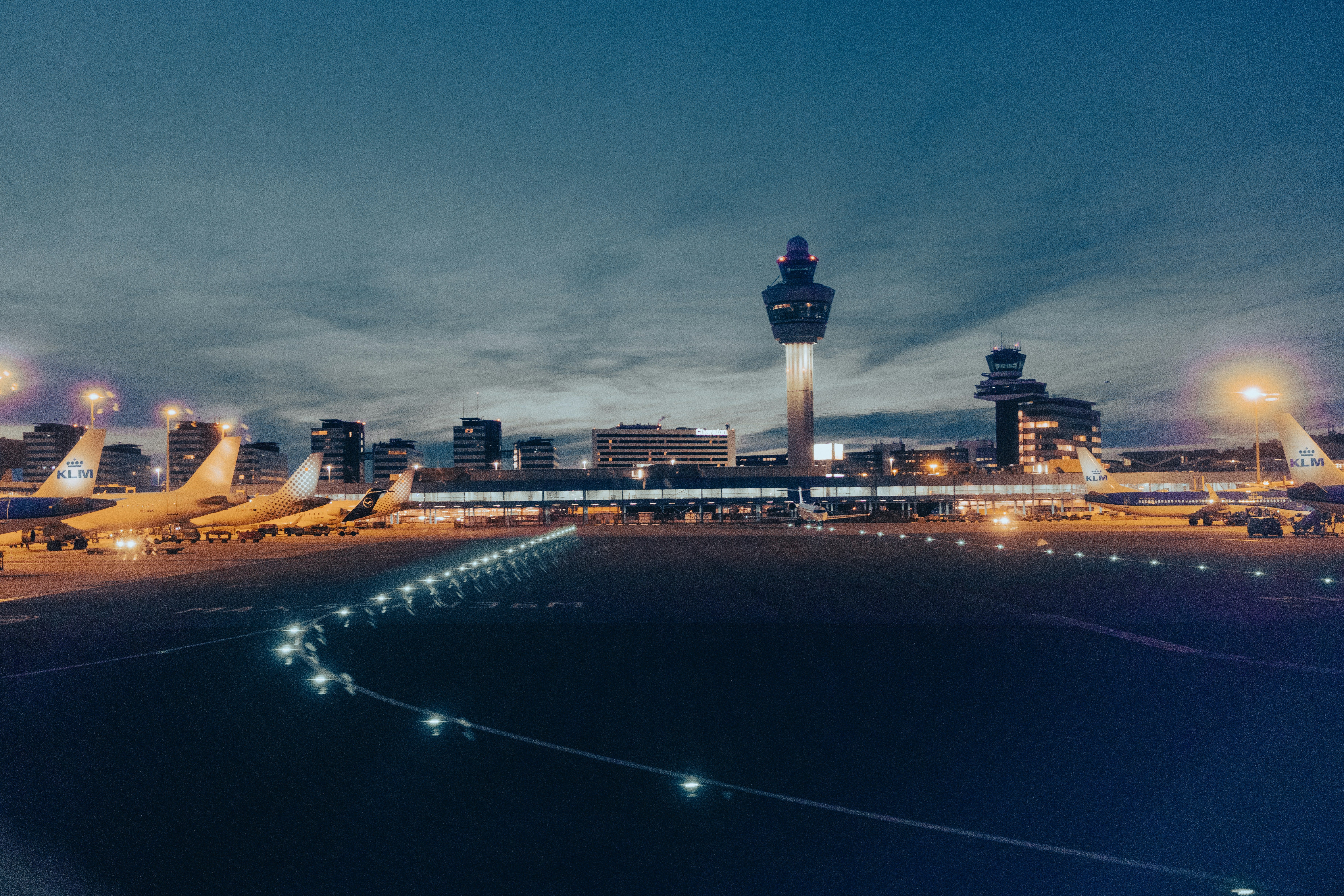
A large group of environmental organisations and residents’ groups is taking the Dutch government to court over its new rules for Schiphol Airport. This is the latest step in a long legal fight about the airport’s size. The group wants the courts to reject the plan and require much bigger cuts to the number of flights.
What the new rules say
The main issue is the new Airport Traffic Decree (Luchthavenverkeerbesluit, or LVB), which the government plans to start on 1 November. This rule limits Schiphol to 478,000 flights a year, with no more than 27,000 at night. That is down from about 499,000 flights and 30,000 night flights now. The decree also allows a gradual return to 500,000 flights in the future if quieter planes are used, and it changes the noise zones around the airport. Six organisations are challenging this decree at the Council of State (Raad van State), the highest administrative court.
The government’s case
The government says the decree is a real reduction and brings much-needed stability. Compared to the roughly 500,000 flights allowed in recent years, 478,000 is about 21,000 fewer flights. This cut is meant to reduce noise, with the goal of 20 percent fewer people seriously affected by noise during the day and at least 15 percent fewer at night. Ministers also say the decree ends years of legal uncertainty and gives airlines and the airport the clear rules they have wanted. The minister in charge has called the flight numbers and noise limits “a hard boundary,” and says the government's separate nitrogen plan will later issue a valid nature permit.
SPONSORED
You’re overpaying your accountant. And they still don’t call you back.

Neno gives you a dedicated bookkeeper, automated admin, real-time financial insights and a free business bank account. Everything your business needs, in one place.
No chasing. No surprises. No unnecessary costs.
The challengers’ case
The coalition disagrees. They argue that the decree does not actually cut flights, but instead legalises years of illegal over-use. They say the 500,000 flights were only a tolerated maximum and were never actually reached. If you compare the new cap to what the law strictly allows, which is well below 478,000, the new limit is not a reduction but actually allows for more flights. In their view, the decree puts past breaches of the noise rules into the official regulations instead of stopping them.
They have more objections. They point out that Schiphol still does not have a valid nature permit because it has released too much nitrogen, and a previous permit was cancelled by the courts. They say the decree does not set strict limits on nitrogen, ultrafine particles, or CO2, and that the inspectorate (ILT) still cannot act effectively when limits are broken. “He has given in to the lobbying of KLM and Schiphol, while completely disregarding the health and interests of the people living near the airport,” said Johan Vollenbroek of Mobilisation for the Environment (MOB), one of the organisations. They believe that real protection for residents and nature is only possible with many fewer flights.
The wider context
The challengers have some reason to feel confident because of recent legal history. In March 2024, a court in The Hague found that the Dutch State had not properly considered the interests of local residents and had put airport growth first. Also, this March, the Council of State cancelled an earlier, temporary version of the flight-cap decree because the minister had not clearly explained how it would reduce noise. About 175,000 people are estimated to suffer serious noise problems near Schiphol. This is a real conflict between economic interests, aviation jobs, Schiphol’s role as a hub, and the health and environment of people living nearby. Dutch Brief does not take a side. Now, the Council of State will decide.