


See more of Dutch Brief in your Google search results
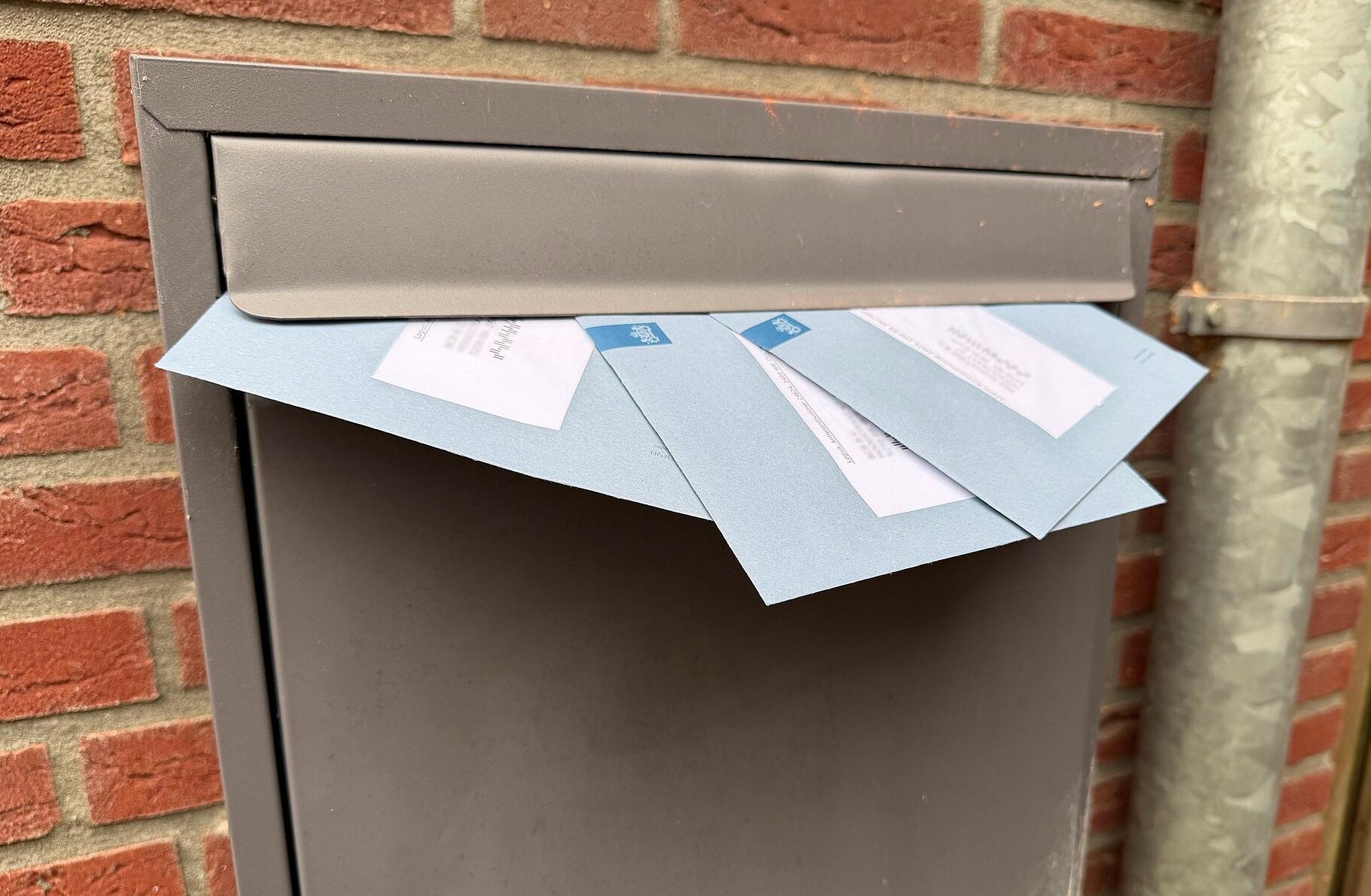
Households in the Netherlands are set to pay much more next year for the networks that deliver their gas and electricity, adding pressure to energy bills. According to a preliminary forecast from the consumer and markets regulator ACM, the average household will pay around 141 euros more in 2027, a rise of 19 percent.
What is going up, and why it matters
The increase applies specifically to network charges, known in Dutch as netbeheerkosten. These are the fixed costs on every energy bill for transporting gas and electricity, and for maintaining and expanding the pipes and cables that bring energy to your home. The key point is that, unlike the price of the energy itself, these charges cannot be reduced by shopping around: you pay them to the regional network operator for your area regardless of which energy supplier you choose.
They are also rising on top of the price of gas and electricity itself, which has already climbed sharply amid the conflict in the Middle East. In other words, this is an increase to one part of the bill, layered on top of separate increases elsewhere.
In concrete terms, the electricity component of the charge rises by 89 euros a year and the gas component by 52 euros, roughly 12 euros a month more in total. By 2027, network charges will make up about 28 percent of the average household’s energy bill, more than a quarter.
It depends where you live
How much your charges rise depends on your regional network operator. Liander, which covers Amsterdam, most of Noord-Holland and Gelderland, is raising its electricity tariffs by 23 percent, the steepest of the big three. Stedin, which serves Rotterdam, The Hague and Utrecht, and Enexis, which covers the south and east of the country, are each raising theirs by 17 percent.
SPONSORED
You’re overpaying your accountant. And they still don’t call you back.
Neno gives you a dedicated bookkeeper, automated admin, real-time financial insights and a free business bank account. Everything your business needs, in one place.
No chasing. No surprises. No unnecessary costs.
Why the charges are climbing
Behind the increase lies an enormous construction project. Network operators say they need to invest around 235 billion euros in the electricity grid over the next 15 years, to connect new housing, hook up offshore wind farms and cope with the electrification of industry. The Dutch grid is heavily congested: around 15,000 businesses, homes, schools and other buildings are still on waiting lists for a connection, a problem that has become one of the biggest brakes on the country’s economy and housebuilding.
The operators argue that the spending, painful as it is, is unavoidable, and cheaper than the alternative. “This is a lot of money, but the alternative is more expensive,” Liander’s finance director, Walter Bien, told NU.nl. Operators put the cost of grid congestion to the economy at between 10 and 40 billion euros a year.
Part of the particularly steep jump in 2027 is also down to the rules. A new five-year regulatory period allows operators to pass on investment costs to customers more quickly and recover cost overruns from the previous five years.
The affordability question
The rise adds to a broader squeeze on households, coming alongside higher energy prices and a wider cost-of-living debate in the run-up to the elections. The climate minister, Stientje van Veldhoven, acknowledged in a written response that households would find the increase worrying, but defended the underlying direction, saying that fossil fuels have to be phased out. Energy remains affordable for most people “on average”, she said, and noted that an emergency fund for people who cannot pay their energy bills will be available again this winter.
That “on average” is doing some work, however. As earlier research has shown, hundreds of thousands of Dutch households are already in energy poverty, and fixed charges that cannot be avoided by cutting usage or switching suppliers fall hardest on those with the least room in their budgets.
What happens next
These are preliminary figures. The ACM will set the final network tariffs for 2027 in December, so the exact amounts may still shift. Looking further ahead, the system itself is due to change: from 2029, the Netherlands is expected to move to a new tariff structure in which heavy users pay more, and the time of day at which electricity is used also affects the cost, part of a wider effort to ease the strain on the grid by spreading out demand.