


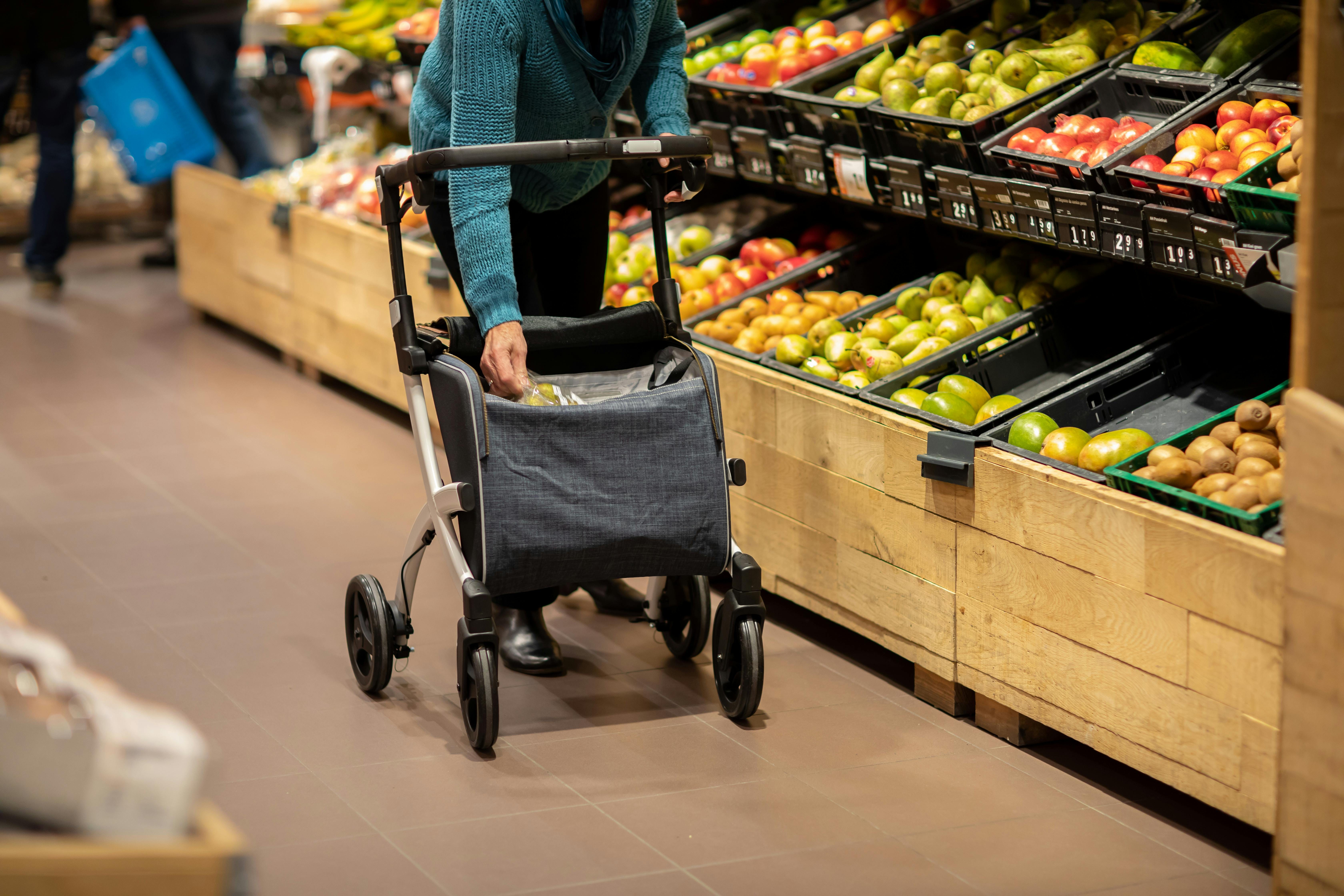
Dutch supermarkets have sent the government an urgent letter ("brandbrief") warning that groceries could become up to 10 percent more expensive in 2027. The umbrella body Centraal Bureau Levensmiddelenhandel (CBL) says a combination of new Dutch tax and policy measures, high energy prices and a rising minimum wage is heading for what it calls "a huge wave of food inflation," and is asking the cabinet to pause planned measures that push prices up further.
SPONSORED
You’re overpaying your accountant. And they still don’t call you back.

Neno gives you a dedicated bookkeeper, automated admin, real-time financial insights and a free business bank account. Everything your business needs, in one place.
No chasing. No surprises. No unnecessary costs.
What the figures say
According to RaboResearch, the economics bureau of Rabobank, food prices at the end of this year already lie around 5 percent above where they were a year ago. The bank expects that figure to climb further through 2027, reaching nearly 10 percent food inflation by the middle of next year. In April, Rabobank had still expected 2027 food inflation of around 7 percent; the new estimate is higher because energy prices are now expected to stay elevated for longer. Around 0.5 to 1 percentage point of the expected 2027 food inflation can be traced directly to an increase in the youth minimum wage, the bank calculates.
The CBL itself says that, depending on the product, a price increase can take four to twelve months to fully filter through to the shelf.
Why prices are climbing
The supermarket sector points to a long list of cost pressures. Some are international: the war in the Middle East has kept oil and gas prices high, which in turn pushes up the cost of transport, packaging and processing. Many transport contracts also contain automatic fuel surcharges, which pass higher diesel prices directly through to logistics costs.
Others are domestic. The CBL specifically names the planned sugar tax (suikertaks), the truck levy (vrachtwagenheffing), energy levies, increases in the minimum wage and the minimum youth wage, and “various additions on top of European legislation,” as cost-driving measures “without added value for the customer in the shop.” Investments in sustainability, healthier products, animal welfare and deposit return systems also add to costs. Supermarkets say they absorb part of these increases themselves; the sector’s average profit margin sits at 2 to 3 percent. The rest, they argue, will inevitably show up at the till.
What the sector is asking
The CBL is “urgently” calling on the cabinet not to push ahead with new measures that further raise costs. The umbrella body is not asking for the existing welfare or sustainability goals to be dropped, but for the pace and stacking of new taxes and levies to be slowed down, until the worst of the international cost shock has passed.
The sector also points out that food shopping is hard to substitute. While drivers can cut petrol use by driving less or switching to working from home, consumers have to eat. According to EW Magazine, the way Dutch people eat is already shifting under price pressure, with more snacking, takeaway and out-of-home eating, which are themselves relatively expensive.
Familiar warnings, sharper tone
The CBL’s letter is the latest in a series of warnings about food prices from across the chain. In May, the Federation of the Dutch Food Industry (FNLI) warned the cabinet that the combination of geopolitical costs, energy and packaging costs and new national levies was creating a “stacking” of burdens that producers could no longer fully absorb. Earlier in April, ABN Amro warned that food prices would rise further into 2027 as fixed energy contracts signed after the 2022 crisis expire. The CBL’s intervention adds the retail end of the chain to that picture.
It also comes at a charged moment in industry-government relations. Dutch supermarkets, between them responsible for around 900,000 jobs, recently chose to leave employers’ federation VNO-NCW, saying that their interests are not being well represented there.
The cabinet’s response so far
For its part, the cabinet has signalled it is preparing a new round of household support for 2027, to soften the impact of high energy and food costs on the household budget. According to sources cited by De Telegraaf last week, finance minister Eelco Heinen will come back with concrete proposals in August. Whether that package will also include a slowdown on the tax and levy measures the supermarkets are flagging is still unclear.
For shoppers, the practical message is sobering: after a brief easing earlier this year, when food inflation dropped to around 2 percent, the price tag on the weekly groceries is set to start climbing again, and not just by a little.