


See more of Dutch Brief in your Google search results
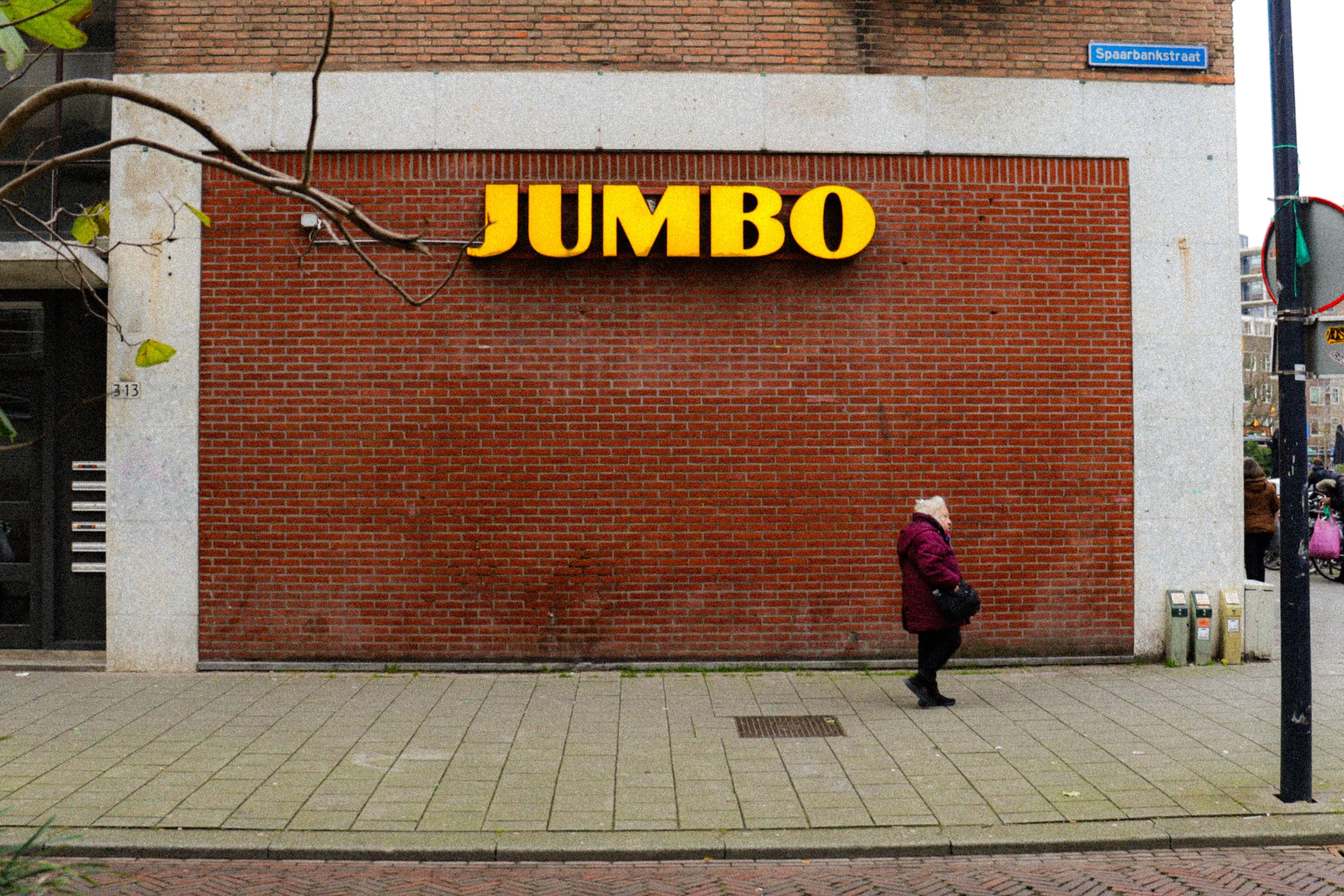
Dutch supermarket chains are making plans to keep selling food during long power outages by setting up special “emergency shops” that can stay open if the electricity goes out. This way, people would not suddenly be left without food and drink in a major crisis.
Why supermarkets normally close in a blackout
Right now, a big power failure means almost all shops, including supermarkets, have to close. Without electricity, cash registers stop working, card payments (pinnen) are not possible, and fridges and freezers shut down, which puts food at risk. Only a few Dutch supermarkets have an emergency generator (noodaggregaat), since the electricity supply is usually so reliable that most stores have not needed one.
Power cuts today last about an hour and a half on average, according to Ruud Limmen, chair of Albert Heijn’s Incident Management Team. But in a major disaster, he said, the electricity could be out for much longer.
The plan: one resilient store per region
To get ready for this, chains like Albert Heijn, Jumbo, and Aldi want to choose at least one supermarket in every region that can stay open during a power cut, according to the financial daily Het Financieele Dagblad (FD). They have not yet decided how big each region will be.
The chosen stores would need to take extra steps, like buying backup generators to keep their payment and other systems running. There are practical issues too. For example, the selected shops should not be inside enclosed shopping centres, since those would also close during a blackout.
This is a joint effort among supermarket chains that usually compete with each other. The rival chains are working together with the food-retail trade association (CBL) and the Ministry of Agriculture to develop these plans.
SPONSORED
You’re overpaying your accountant. And they still don’t call you back.

Neno gives you a dedicated bookkeeper, automated admin, real-time financial insights and a free business bank account. Everything your business needs, in one place.
No chasing. No surprises. No unnecessary costs.
Why now
These plans come from growing worries about big disruptions. Authorities and the sector are now considering situations where the Netherlands could be without power for days, such as after a major flood, a large cyberattack, or rising international tensions.
These concerns are real. Just a few weeks ago, a cyberattack on Albert Heijn in October forced its parent company to shut down systems. This left shelves empty of fresh produce and stopped its delivery service for days, showing how quickly the food supply can be disrupted. The move is also part of a bigger national effort on food security. The government is finishing a National Food Security Crisis Plan and is talking with supermarkets about keeping emergency stocks of important goods.
The bigger picture
The emergency-shop plan is part of a bigger change in how the Dutch think about resilience. It is similar to the government’s advice for households to keep an emergency kit and enough supplies for the first days of a crisis. The Dutch food system is very efficient, with little stock and a strong reliance on power and digital systems, but the past month has shown how vulnerable that can be. For shoppers, the main point is that if the power goes out for a long time, the goal is to have at least one shop nearby that can still open.