


See more of Dutch Brief in your Google search results
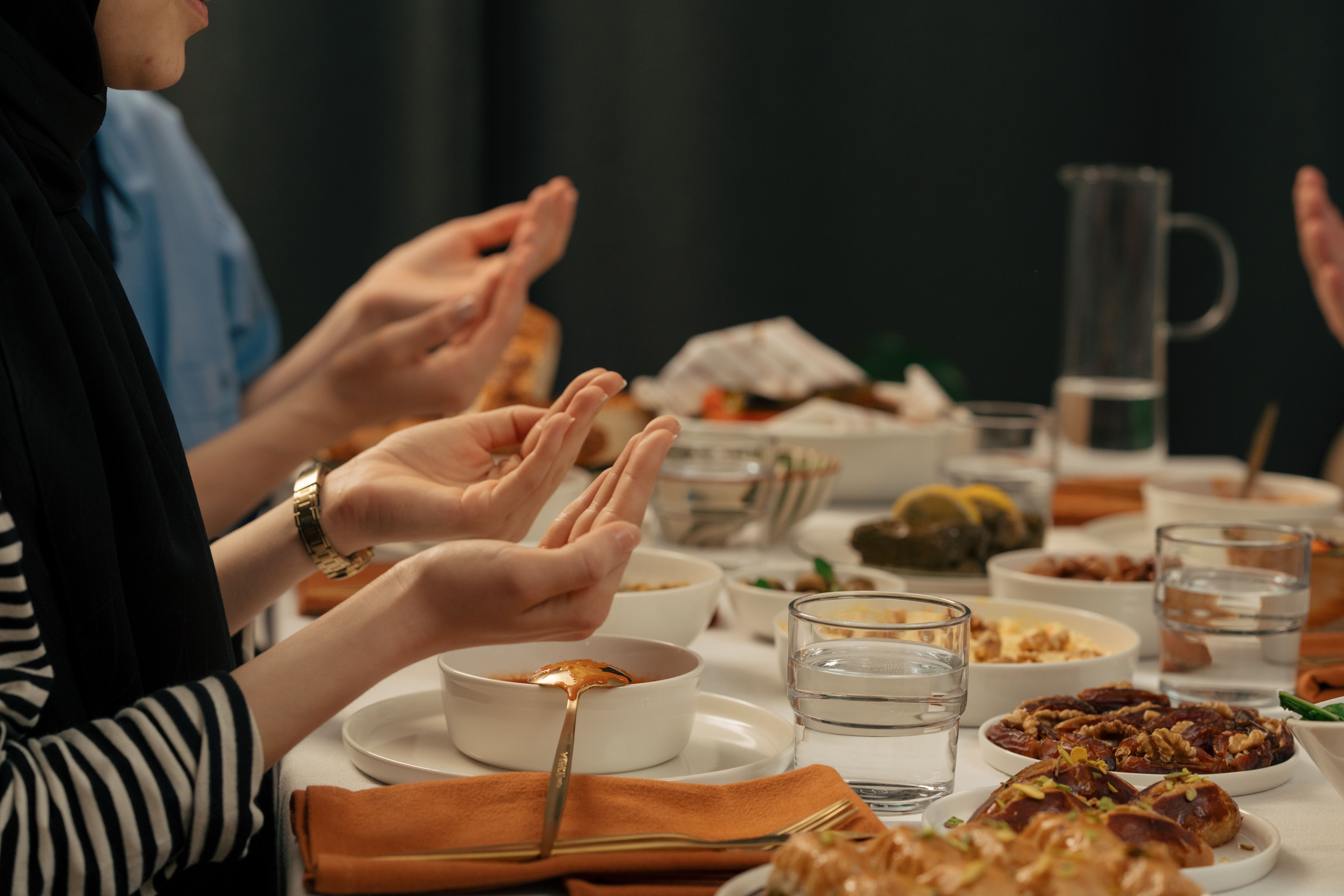
The Dutch national police will stop organising religious celebrations for people outside the force, the police have announced, in a change intended to safeguard the force’s political and religious neutrality. The new rule takes effect on 1 January 2027.
What is changing, and what is not
The change is narrower than it might first sound, and the police have been careful to state the boundaries. What ends is the police organising religious events themselves for and with members of the public. Exactly which events fall under the rule is not yet fully clear.
Several things continue unchanged. Internal gatherings with a religious character remain permitted, such as marking Christmas or Hanukkah, or events during Ramadan. And individual officers may still attend religious celebrations organised by others, whether Christmas, Ramadan, Easter, Hanukkah, Diwali, Purim or Holi-Phagwa, which the police say contributes to their work. Under the revised code, however, officers attending such events, whether in uniform or in plain clothes, may not themselves perform religious or ritual acts.
The police’s reasoning
Police chief Janny Knol framed the decision as a balance between community engagement and impartiality. “Contact with residents, communities and social partners is indispensable for us as police,” she said. “It contributes to trust, prevention and de-escalation and is therefore essential for good police work.”
At the same time, she argued, the force must avoid any confusion about where it stands. “If we ourselves organise gatherings with a religious character, then beliefs can be taken as our own, and that does not fit with our neutral position. That is why we have chosen to stop doing so from next year.” The move fits within the police’s existing “lifestyle neutrality” code of conduct, under which officers on duty are expected to keep visible expressions of religious, political and other personal conviction out of their work.
SPONSORED
You’re overpaying your accountant. And they still don’t call you back.

Neno gives you a dedicated bookkeeper, automated admin, real-time financial insights and a free business bank account. Everything your business needs, in one place.
No chasing. No surprises. No unnecessary costs.
The political background
The decision follows sustained political pressure, a context the bare announcement leaves out. Police-organised iftars, the meals that break the daily fast during Ramadan, had been a particular point of debate. Earlier this year, parties including the PVV, the VVD and the SGP argued in a parliamentary debate with justice minister David van Weel that police neutrality was at stake. Over the summer, a broad majority in parliament backed a motion from JA21 calling on the police not to organise iftars, and the VVD had earlier won support for a call not to have officers attend religious gatherings that “do not accord with a free and secular society”.
According to a letter to parliament from Van Weel, the new arrangements answer those motions, and the code of conduct was adjusted in consultation with him. The minister welcomed the measures, saying he and the police chief both attach great value to police neutrality.
A recurring debate
The neutrality of civil servants and police officers is a regularly recurring subject in Dutch public and political debate, touching on questions of religious dress, expression and the relationship between the state and belief. This latest change, coming amid a charged national conversation about religion, identity and secularism, will likely be read very differently by different people. It takes effect at the start of next year.