


See more of Dutch Brief in your Google search results
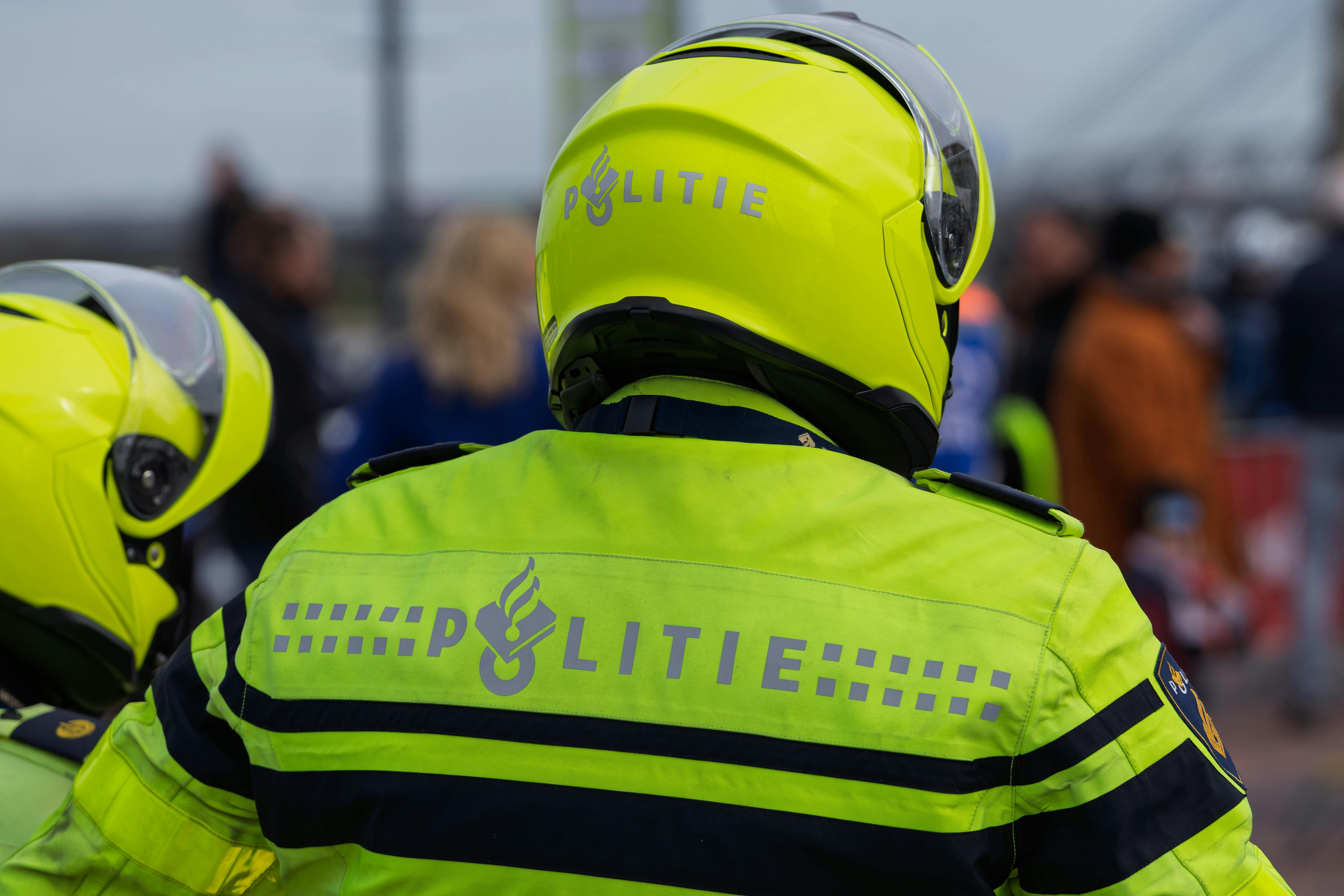
The Dutch police did not handle more than 10,000 reports of serious crime in 2024, roughly a quarter of all such reports, according to a new investigation by the Algemene Rekenkamer (the country’s Court of Audit) published on Wednesday. The findings have prompted fresh debate over police capacity, the prioritisation of investigations, and the question of why a force with an annual budget of €8.1 billion struggles to follow up on cases that include violent crimes, the production of hard drugs and identity fraud.
The headline figures
Of the more than 10,000 serious-crime reports left unattended, about 7,000 were rejected outright by the police, while around 3,000 were initially taken on but later dropped because of a shortage of capacity at the police or the Public Prosecution Service (OM). About 1,600 of those untreated cases were on the priority lists set by the OM or the Justice and Security minister. The police as a whole registered more than 791,000 new crimes in 2024.
The categories of crime left unprocessed make for sobering reading. They include violent offences (”high-impact crimes” such as burglaries, robberies and assaults), sexual offences, the manufacture of hard drugs and identity fraud. “The police cannot do everything, but you would at least want the most serious cases to be taken on,” said Ewout Irrgang, who led the investigation for the Court of Audit.
SPONSORED
You’re overpaying your accountant. And they still don’t call you back.

Neno gives you a dedicated bookkeeper, automated admin, real-time financial insights and a free business bank account. Everything your business needs, in one place.
No chasing. No surprises. No unnecessary costs.
Big differences between regions
The picture also varies sharply by region. In Rotterdam, 19 percent of serious-crime reports were rejected outright, compared with 11 percent in Limburg and 12 percent in Oost-Nederland. The pattern is reversed for cases that were taken on but then dropped: 13 percent in Limburg, against 8 percent in Oost-Nederland and 7 percent in Rotterdam.
Where the money goes, and where it doesn’t
The Rekenkamer estimates that around €3.3 billion (41 percent) of the police’s €8.1 billion budget went to investigation work in 2024, with the rest going to public-order and safety duties, emergency assistance and other tasks for the justice system. The exact breakdown is itself unclear, however, because the police’s accounting is not set up to separate spending by statutory task. As a result, neither the minister nor the police chief has hard numbers on how much of the budget actually goes to investigation, or what those investigations have produced.
In 2024, the police carried out almost 12,000 investigations using more than 12,300 full-time equivalents, but did not systematically track whether those investigations led to arrests, prosecutions or any other intervention. “That makes it difficult to make strategic choices about how to deploy people and money,” the audit office warned.
Competing priorities
The Rekenkamer points to a tangle of competing priorities as a major reason for the backlog. The minister of justice and security sets one set of priorities via the Veiligheidsagenda, the Public Prosecution Service sets another via its Aanwijzing voor de opsporing, and regional and local triangles of mayor, police and prosecutor set further accents. Because police capacity is finite, those priorities, the audit office says, often end up competing with each other.
The audit office found that, in some cases, “crimes of relatively low severity are given priority over more serious offences, or offences with greater social harm.” As an example, the minister prioritises cybercrime and “digitised” criminality, while many such offences score low or medium on the Crime Harm Index (a measure of the actual harm caused).
The pressure has also shifted within the police. Because district detective offices and regional and national investigation teams are overloaded, serious crimes such as burglaries, robberies, sexual offences and violent crimes increasingly fall to local “basisteams” (neighbourhood police teams), which the Inspection of Justice and Security warned last year are not really equipped for that workload.
The ministry’s response
In their reaction, justice and security minister David van Weel and national police chief Janny Knol acknowledge that “improvements are needed in detection work and in making choices in detection.” Van Weel stresses that the police’s investigative task is “complex,” the field is “extensive” and the capacity “scarce.” He has also said he wants more insight into spending and results, and is “exploring” what further steps to take.
Irrgang of the Rekenkamer called the ministry’s reaction “defensive” and “a pity,” and urged the minister to sit around the table with the OM and the police as quickly as possible to make the choices the audit office argues are now overdue.
A familiar Dutch picture
The findings land against an already strained Dutch public-safety picture. CBS figures show that almost 3 million people in the Netherlands became victims of “traditional” crime (violence, sexual offences and property crimes) in 2025, while 17 percent of the population also dealt with one or more forms of online crime. The latest Safety Monitor showed that only 31 percent of people are satisfied with police visibility in their neighbourhood, that 37 percent sometimes feel unsafe, and that aggression against officers is at record levels.
For now, the practical implication of the Rekenkamer’s report is clear: even when Dutch police register a report of a serious crime, there is a significant chance, especially in certain regions, that no investigation will follow.
This is a sensitive topic. People in the Netherlands who have been affected by a crime can contact Slachtofferhulp Nederland on 0900-0101 (free and confidential) for emotional, practical and legal support, in addition to filing a report at the police via 0900-8844 or, in an emergency, 112.