


See more of Dutch Brief in your Google search results
The head of the Netherlands’ military intelligence service left a fitness app account open to the public for years, unintentionally revealing his home address and daily movements, according to an investigation by the newspaper de Volkskrant. It is an awkward lapse for the person in charge of protecting the country’s secrets.
What happened
Vice-admiral Peter Reesink, who has led the Military Intelligence and Security Service (MIVD) since February 2024, kept a public account on the fitness app Strava, on which users log runs and bike rides. Between 2018 and 2025, dozens of his activities were visible to anyone who cared to look.
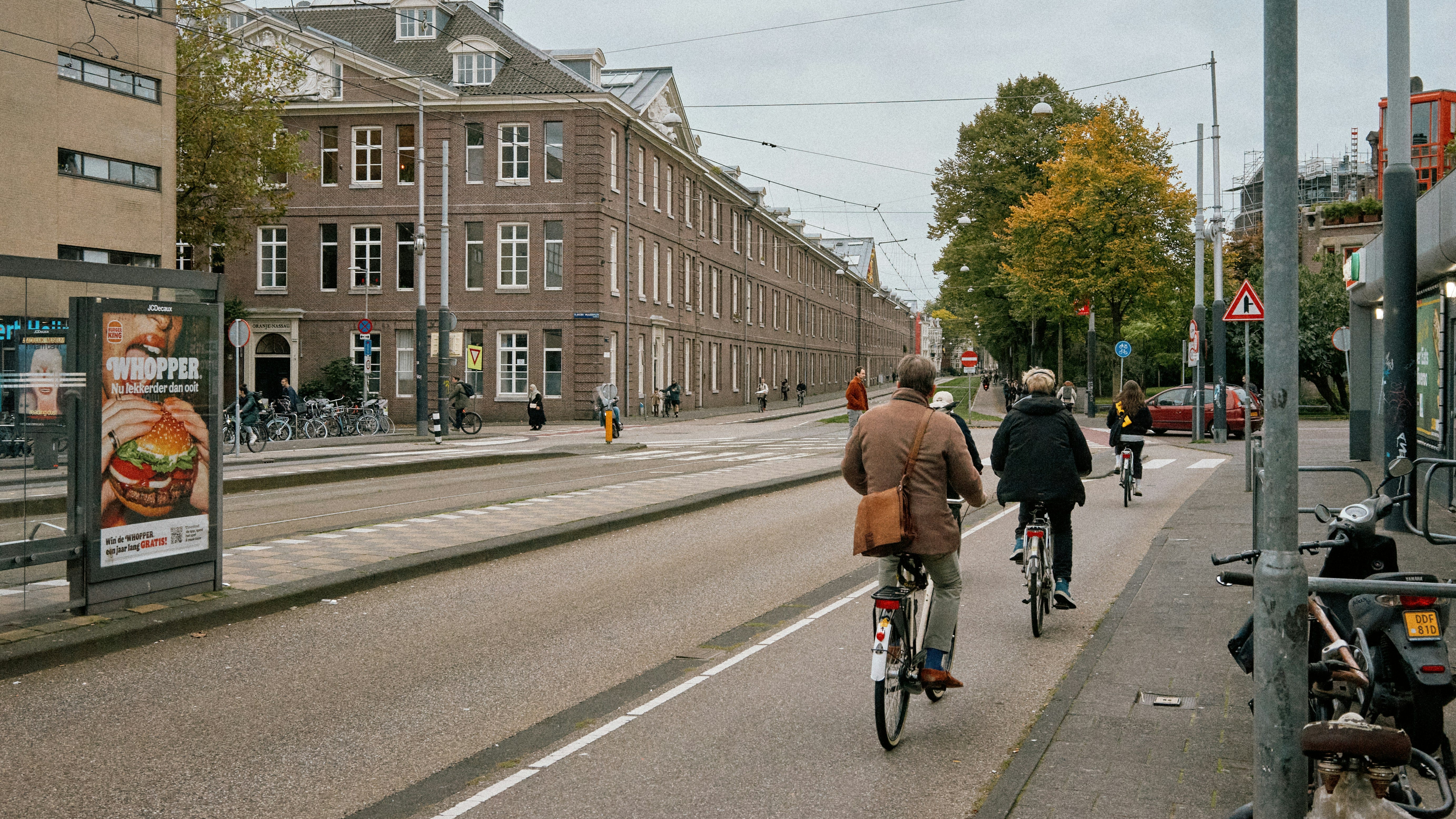
From that data, the paper’s reporters were able to piece together a detailed picture of his life. On several occasions he had cycled from the MIVD’s headquarters to his home, making it easy to work out his address. The records also showed where he kept his camper van, and when and where he went on holiday.
Keeping such a public account is against the defence ministry’s own guidelines. After de Volkskrant asked about it, the account was set to private, so the information is no longer visible, and Reesink has asked Strava to delete it entirely.
SPONSORED
You’re overpaying your accountant. And they still don’t call you back.

Neno gives you a dedicated bookkeeper, automated admin, real-time financial insights and a free business bank account. Everything your business needs, in one place.
No chasing. No surprises. No unnecessary costs.
‘He knows better now’
Reesink said he had not realised the account was still active. He explained that he had linked a bike computer to a Strava account years ago, removed the app at some point, but forgot to delete the profile itself.
A defence ministry spokesperson said Reesink regretted what had happened. “With the knowledge of now, he knows better,” the spokesperson said. The ministry repeated its standard advice to defence staff: keep your profile private, avoid certain apps at defence locations, and do not make yourself identifiable as a member of the military on such platforms.
The timing is uncomfortable. Reesink has himself publicly cautioned that large organisations can be naive about security, and had noted that even at his own briefings, people sometimes questioned whether they really needed to leave their phones outside.
A well-known risk
The wider issue is not new. It has been understood for years that fitness apps can expose sensitive information, because the routes people log tend to start and end at their homes, workplaces or bases. Investigations have repeatedly shown how the location data shared through such apps can be used to trace individuals, including members of the military, and even to locate sensitive sites. Last year, one Dutch broadcaster managed to trace more than a thousand Dutch military personnel through Strava.
For ordinary users, the episode is a useful prompt. Anyone who records runs or rides on an app may be sharing more than they realise. It is worth checking that your profile is private, using the app’s features to hide the area around your home, and thinking about whether your routes reveal where you live, work or regularly spend time. If the head of a national intelligence service can be caught out by a forgotten account, most people can too.