


See more of Dutch Brief in your Google search results
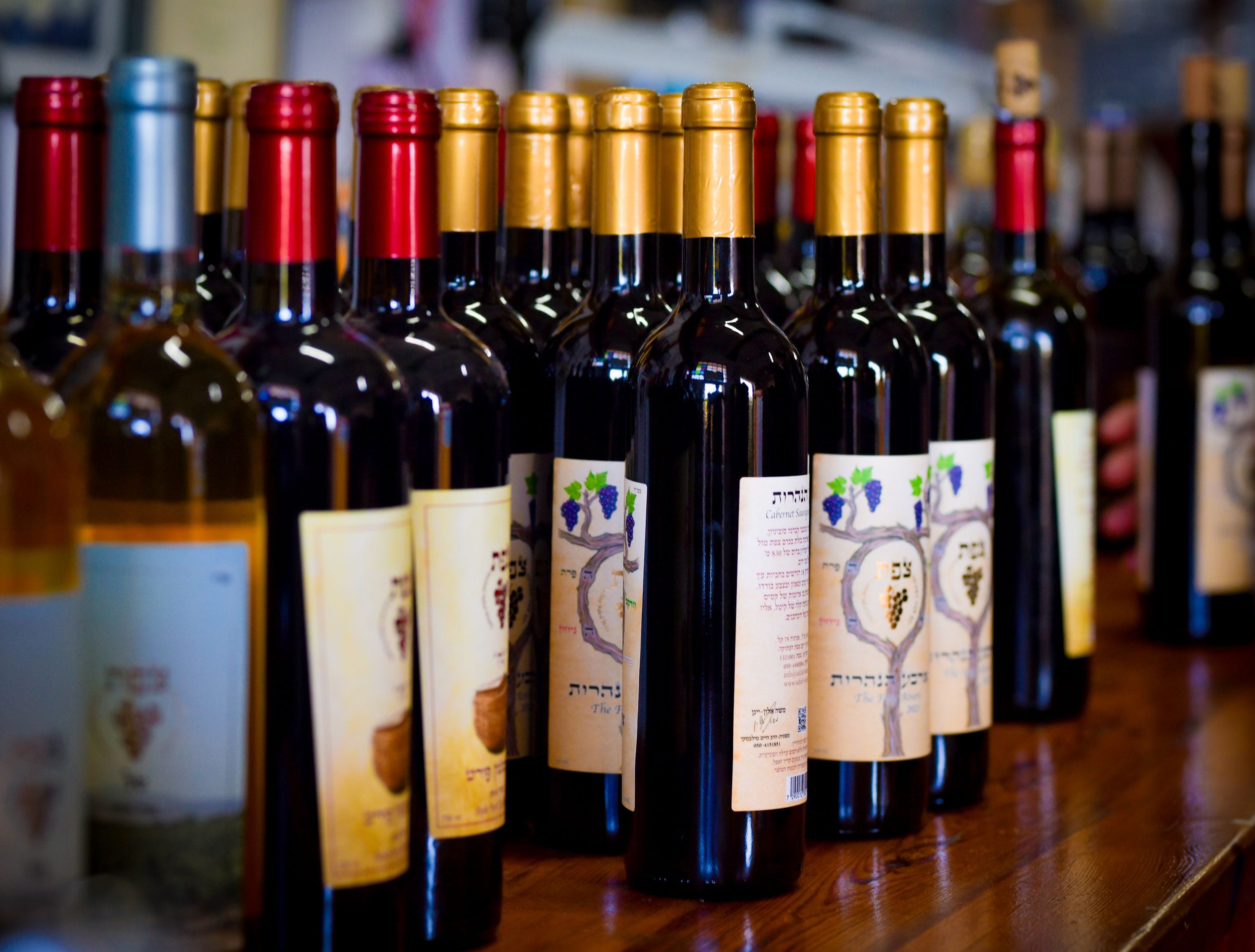
The Dutch government should take steps to discourage alcohol use among everyone in the Netherlands and make drinking less normal, the Gezondheidsraad (Health Council) has advised. The council, an independent body that advises the government on scientific health questions, says there is no safe level of alcohol consumption.
“Alcohol use should become less normal in our society,” said Karien Stronks of the Gezondheidsraad. “There is no safe lower limit; every glass you drink is harmful. Not only to yourself, but also to others.”
‘No safe level’
The council says there is strong evidence that the risk of seven types of cancer rises with any amount of alcohol, and that the risk of organ damage also increases. Beyond illness, it points to alcohol’s role in road accidents and in incidents involving aggression and violence.
It also puts some numbers to this. According to Stronks, a quarter of road deaths, between 75 and 140 a year, are caused by alcohol, and around 65,000 people a year end up in emergency care in cases where alcohol plays a part.
Following the approach taken with smoking
The council frames the issue as a question of social norms, and draws a direct comparison with smoking, which has become far less accepted in recent decades. “Just as happened with smoking,” Stronks said, drinks at work could also be alcohol-free. “We now often associate alcohol with conviviality, but compare it with smoking, which is no longer the norm either.”
SPONSORED
You’re overpaying your accountant. And they still don’t call you back.
Neno gives you a dedicated bookkeeper, automated admin, real-time financial insights and a free business bank account. Everything your business needs, in one place.
No chasing. No surprises. No unnecessary costs.
What the council proposes
The Gezondheidsraad sets out three strategies that, according to the World Health Organization, are effective in reducing alcohol use: raising the price of alcoholic drinks, limiting their availability, and restricting their marketing and advertising.
In concrete terms, that could mean higher excise duties (the tax levied on alcohol), restricting sales to off-licences (in Dutch, the slijterij) rather than supermarkets, and requiring plain, unattractive packaging carrying health warnings. The council also recommends banning alcohol for road users altogether, meaning a limit of 0.0 percent, spreading the message that drinking is not normal, and helping people who want to cut down or stop.
Drinking is already declining
The advice comes at a time when fewer adults in the Netherlands are drinking. In 2014, 81 percent of adults said they drank at least occasionally; last year that had fallen to 76 percent, according to figures from the Trimbos Institute, which researches mental health and addiction. In 2025, 7 percent of adults described themselves as heavy drinkers, meaning at least four glasses for women or six for men, at least once a week.
The council also weighs the costs. Stronks put the damage from alcohol use at between 2 and 6 billion euros a year. A 2013 cost-benefit analysis by the public health institute RIVM calculated a net cost of 2.3 to 4.2 billion euros, taking into account both excise revenue and costs such as treating injuries and policing events. The RIVM is due to publish a new analysis this autumn.
What happens next
The report is advice, not policy. It now goes to the government, which asked the council for this assessment and will decide whether, and how, to act on it. Decisions on taxes, sales rules and advertising would be for ministers and parliament to take, and measures of this kind can be politically sensitive, with proposals to raise alcohol taxes or tighten sales rules having met resistance before. The Netherlands already has an official guideline, in place since 2015, recommending that adults drink no alcohol, or at most one glass a day.
If you or someone you know wants to cut down or stop drinking, a general practitioner (huisarts) can help, and free, anonymous advice is available in the Netherlands.