


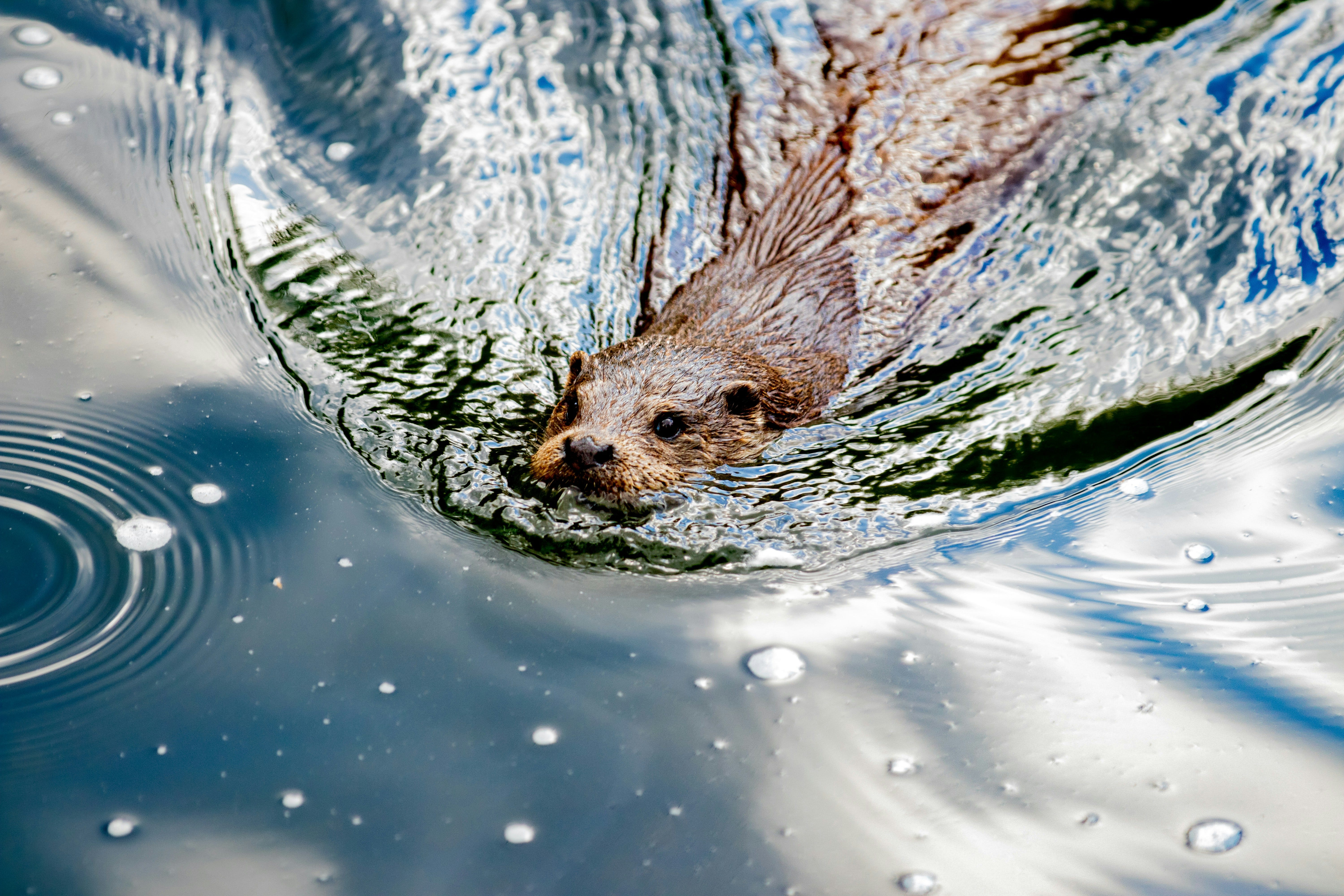
The recovery of Dutch freshwater nature, one of the country's quiet environmental success stories of the past three decades, is coming to a halt. That is the central message of the new Living Planet Report Nederland 2026, published on Tuesday by WWF Netherlands. Pollution, including pesticides, medicine residues and PFAS "forever chemicals," combined with too much nitrogen and a changing climate, are now pushing back what cleaner water and more space for rivers had brought.
SPONSORED
You’re overpaying your accountant. And they still don’t call you back.

Neno gives you a dedicated bookkeeper, automated admin, real-time financial insights and a free business bank account. Everything your business needs, in one place.
No chasing. No surprises. No unnecessary costs.
What the report tracks
The Living Planet Report Nederland is published every two years by WWF Netherlands and looks at how Dutch nature is doing. The fifth edition, titled “Kansen voor Zoetwaternatuur” (”Opportunities for Freshwater Nature”), focuses on rivers, streams, marshes, lakes, ponds (vennen) and peat bogs (hoogvenen). It is built on 30 years of monitoring 176 animal species, from mammals and marsh birds to dragonflies and migratory fish, using data from the Dutch statistics agency CBS and a coalition that includes SoortenNL and Sovon Vogelonderzoek.
Decades of recovery, now stalling
Between 1990 and 2024, populations of the 176 freshwater and marsh species the report follows rose by nearly 60 percent on average. That long-term picture is the result of decades of cleaner water, better sewage treatment and more space for rivers and wetlands, which followed environmental policy from the 1960s and 1970s. The Dutch otter, which depends on clean water and fish-rich, sheltered banks and is widely seen as a barometer for water quality, has reestablished itself in the country.
Since 2010, however, the recovery has broken down. In streams and rivers, fish and dragonfly populations are falling again. Around lakes and marshes, the recovery is flattening out. The most vulnerable habitats are the vennen and hoogvenen: species typical of these small, often acidic and rain-fed waters have almost halved since 2010.
The four pressures
WWF Netherlands identifies a stacked set of pressures that, together, are now larger than the gains achieved since 1990. Pollution from pesticides, medicine residues and PFAS is a “determining factor,” the report says, with PFAS in particular hard to remove once it reaches surface water. Nitrogen deposition (the cause of the long-running stikstofcrisis) shifts the chemistry of soil and water, hitting acidic and nutrient-poor habitats like vennen and hoogvenen especially hard. Invasive species (organisms that do not naturally belong in Dutch ecosystems and out-compete native ones) add a third pressure, and climate change, in the form of more frequent droughts, heatwaves and extreme rainfall, amplifies all the others.
Where the good news is
Within that gloomier picture, the report points to specific success stories. The otter continues to spread, and several marsh birds, including the bluethroat (blauwborst) and the little egret (zilverreiger), are doing well. WWF Netherlands says these gains show that nature and environmental policy works, and can deliver results quickly when applied seriously.
The wider Living Planet Index for the Netherlands, which covers 368 species across land and freshwater, was at the same level in 2024 as in 1990, with the freshwater gains compensating for ongoing declines on land.
The “next step” the report wants
Judy Koppenjan, WWF Netherlands’ expert on Dutch nature and project leader of the report, frames the report as a call for a different kind of action. “The low-hanging fruit has now been picked,” she said. “For real recovery, we have to restore a whole water system. Water quality, space, connection and management have to be tackled together.”
In practice, that means going beyond cleaning up the worst point-source pollution and reconnecting fragmented rivers and brooks to their floodplains, restoring natural water levels, controlling diffuse pollution at the source (whether it is on a farm, in a factory or in a household medicine cabinet) and tackling PFAS and nitrogen far more aggressively.
A familiar set of files
For Dutch policy-makers, the report adds nature to an already long list of files where the country is being squeezed: a stikstofcrisis without a clear political resolution, a separate PFAS inventory that recently identified 57 dangerously polluted sites and warned they were only “the tip of the iceberg,” and a drinking water sector that warned earlier this year of growing shortages. The Living Planet Report Nederland 2026 makes clear that Dutch freshwater biodiversity is bound up with all of these, and that recovery, once a hopeful story, will not continue on its own.