


See more of Dutch Brief in your Google search results
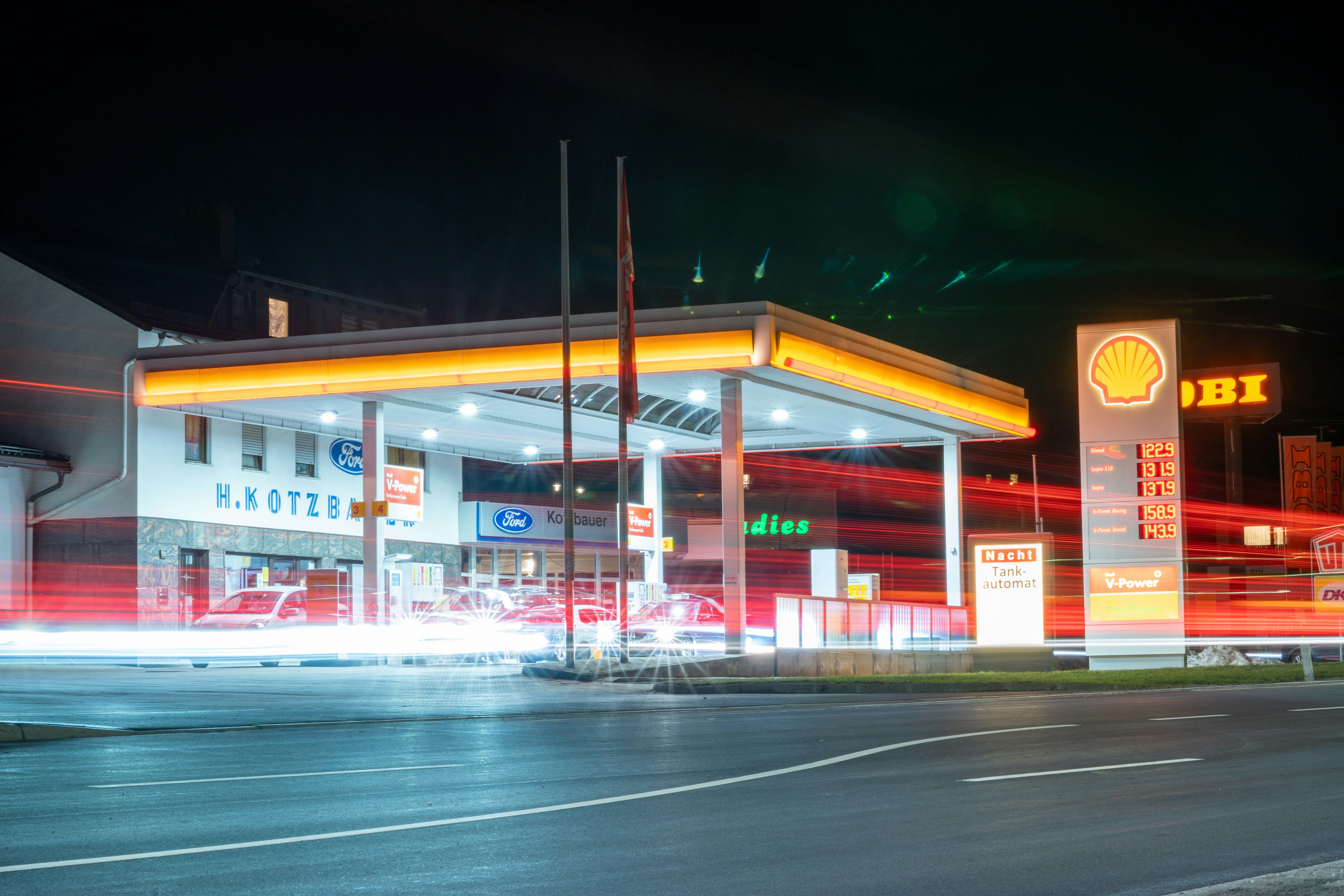
Rising fuel prices are pushing more Dutch drivers to refuel in Belgium and Germany. In the first half of 2026, Dutch motorists filled up abroad significantly more often, according to De Nederlandsche Bank (DNB), which tracked Dutch debit and credit card payments in these neighbouring countries.
Key figures
Dutch card payments at Belgian and German petrol stations increased by 20 percent compared to the previous year, reaching approximately 25 million transactions totaling about 1.5 billion euros. Growth was highest in Belgium, with payments rising by one third to 11.3 million, while in Germany they increased by 11 percent to 14.2 million. In contrast, transactions at Dutch petrol stations declined by 3 percent during the same period.
Reasons for cross-border refuelling
Price is the primary factor. The recommended price for a litre of petrol in the Netherlands is currently about 2.73 euros, among the highest in Europe, mainly due to high fuel duty and VAT. In Germany, drivers can typically save around 25 cents per litre, and in Belgium, about 50 cents.
DNB statistician Arto Vinkka noted a possible shift this year. Although fuel prices also increased in Belgium and Germany following the late February attacks on Iran, the price gap with the Netherlands remained similar. Nevertheless, more Dutch drivers chose to refuel abroad. “It may be that a psychological limit has been reached because of the high price at the pump,” Vinkka said.
Within the Netherlands, drivers are also seeking lower prices. Refuelling at unmanned stations is increasing, which Vinkka said “may indicate that motorists are settling for less service” in exchange for a lower price.
SPONSORED
You’re overpaying your accountant. And they still don’t call you back.
Neno gives you a dedicated bookkeeper, automated admin, real-time financial insights and a free business bank account. Everything your business needs, in one place.
No chasing. No surprises. No unnecessary costs.
Additional cross-border spending
Refuelling abroad often goes hand in hand with other activities. Dutch drivers frequently pair filling up with grocery shopping, leisure outings, or visits to cafes and restaurants, benefiting Belgian and German businesses beyond petrol stations. In the past six months, Dutch shoppers made 14.5 million card payments at supermarkets across the border, more than double the figure from the same period in 2022.
Interpreting the data
These figures require careful interpretation. DNB data reflects where Dutch cards are used and the sector, but does not track fuel volume, unique drivers, or lost Dutch revenue. The 1.5 billion euros spent abroad does not directly translate to a loss for Dutch petrol stations or the national treasury. Many of these trips would have happened regardless of where the money was spent. Additionally, this figure may include costs related to electric vehicle (EV) charging. Furthermore, the Netherlands continues to collect taxes from associated businesses and their employees. While the data indicates a clear behavioural shift, the actual financial impact on the Netherlands is more complex than a single headline figure suggests.
This trend is influencing ongoing domestic discussions. Fuel duty remains a political issue, with a temporary discount repeatedly extended. The government now plans to phase out this discount, which, if pump prices remain high, could further encourage drivers in border regions to refuel abroad.