


See more of Dutch Brief in your Google search results
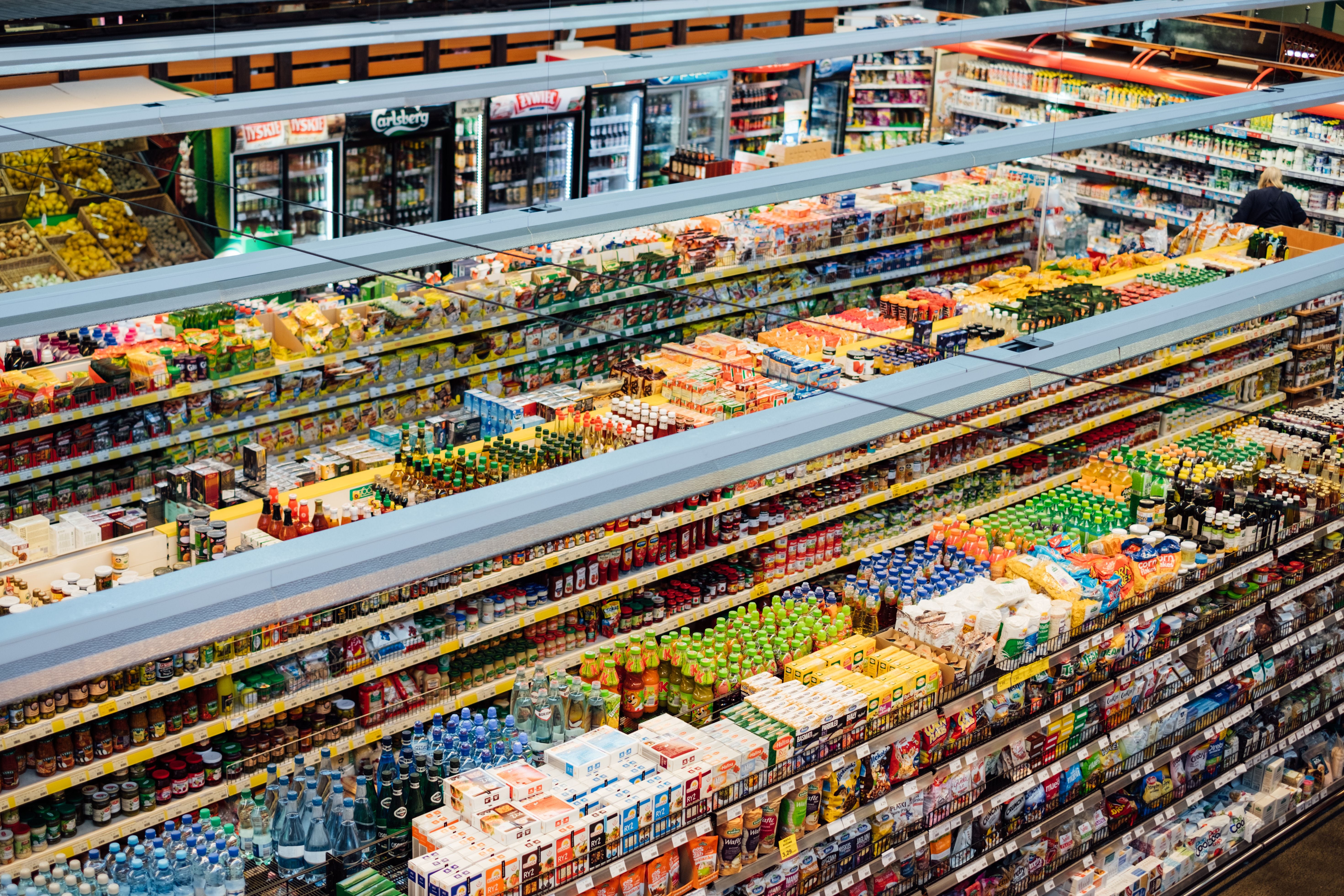
People in the Netherlands think prices are rising far faster than they actually are, according to new research from the national statistics office. On average, consumers estimate inflation at around 8 percent, while the official figure has been close to 3 percent for the past two years, and stood at 2.9 percent in June.
What the figures show
The gap between “felt” inflation and measured inflation is nothing new, but it has grown unusually wide. According to Statistics Netherlands (CBS), consumers have consistently overestimated inflation since the energy crisis of 2022, and the difference is now much larger than it was before that crisis, even though actual inflation has fallen back close to its pre-crisis level.
Measured inflation is the average change in the price of a large basket of goods and services, including things people buy only rarely. What people feel, by contrast, is shaped mostly by the prices they meet all the time, such as groceries, fuel and fixed costs like energy. When those everyday items feel expensive, inflation as a whole feels higher than the average figure suggests.
Why it feels worse: the 2022 shock
The main explanation, economists say, lies in the shock of 2022. “People were really shocked when inflation suddenly shot up after the Russian invasion of Ukraine in early 2022. They still haven’t processed that,” CBS economist Frank Notten told De Telegraaf. “The old prices are still in their heads. Even now that inflation has dropped below 3 percent, we still find everything very expensive.”
There is also a psychological asymmetry at work. Notten pointed out that people tend to remember price rises for longer than price falls, which makes them more pessimistic about prices in general.
SPONSORED
You’re overpaying your accountant. And they still don’t call you back.

Neno gives you a dedicated bookkeeper, automated admin, real-time financial insights and a free business bank account. Everything your business needs, in one place.
No chasing. No surprises. No unnecessary costs.
Low inflation is not falling prices
Part of what makes life still feel expensive is a point that is easy to miss. Inflation measures how fast prices are rising, not how high they are. When inflation surged in 2022, prices jumped sharply, and they have kept climbing since, just more slowly. So a return to low inflation does not mean prices have gone back down; it means they are still rising, from a level that is already much higher than before 2022. Many people naturally compare today’s prices with what they remember paying a few years ago, which makes the increase feel large.
Not just the Netherlands
This is not unique to Dutch shoppers. Notten noted that consumer confidence is low across the European Union, and that people elsewhere are complaining just as bitterly about high prices. “It is not the case that we grumble about it more than the rest,” he said. Recent rises in how expensive people think things are may also be linked to fuel prices, which climbed to record highs earlier this year during tensions in the Middle East.
What could come next
The perception matters, not just the reality. As long as people feel that prices are rising quickly, it can weigh on consumer confidence and on how much they are willing to spend, regardless of the official figures. Some experts have also warned that not all of the recent cost increases have reached shoppers yet, and that businesses may still have to pass on higher fuel costs. For now, though, the headline message from the figures is a reassuring one: prices are rising far more slowly than most people think.