


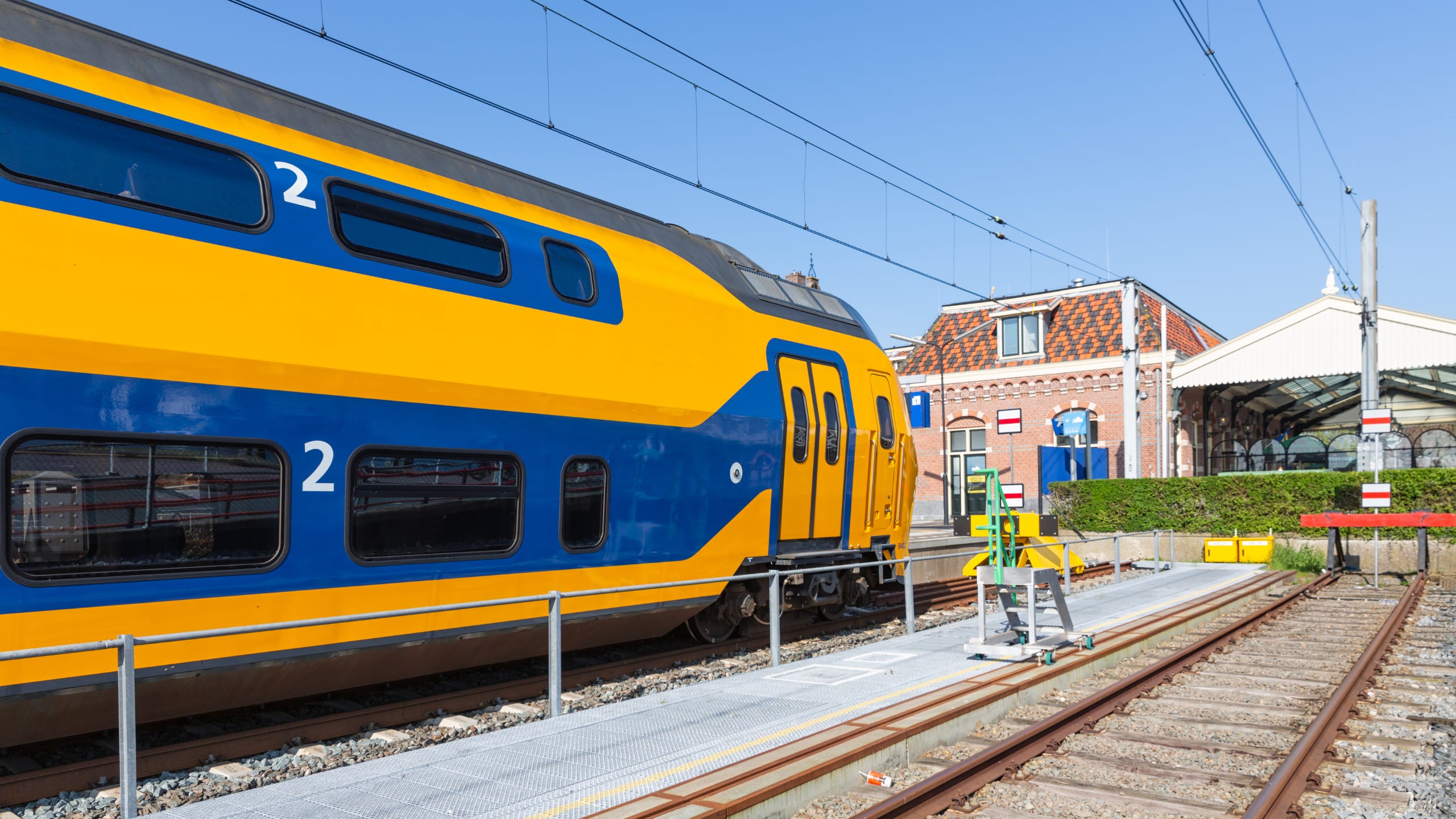
The Dutch cabinet has put forward a proposal for a cut-price summer train ticket, allowing unlimited off-peak travel on all domestic trains for €49 per month. If approved, the temporary subscription would run from 21 June to 1 September 2026.
Rentals in the Netherlands

Signaal tracks the Dutch rental market and notifies you the moment something matches your search. Be first to apply.
How the ticket works
The summer ticket is, in practice, a temporarily discounted version of an existing NS product called “Flex Dal Vrij,” which normally costs €127.95 per month. The cabinet says that adjusting this existing product, which is valid with all train operators in the Netherlands, was the only realistic way to get a cheaper ticket up and running at such short notice. The biggest change is simply the price, which drops to €49.
With the ticket, holders can travel without limit on all domestic trains during off-peak hours. Those are defined as weekdays between 9 am and 4 pm and between 6:30 pm and 6:30 am, plus weekends and public holidays all day. The ticket is valid on the trains of every Dutch rail operator, not only NS.
NS has begun marketing the offer under the name “Nederland Dal Vrij,” and says travellers will be able to sign up until 15 August. Anyone who joins in June could therefore use the discounted rate for up to three months. After the campaign period, the subscription automatically continues as the regular NS Flex Dal Vrij at €127.95 per month, unless the holder switches to a cheaper subscription or cancels.
From €9 for all transport to €49 for trains only
The plan has changed considerably since it was first floated. In April, GroenLinks-PvdA MP Habtamu de Hoop proposed a temporary pass for just €9 a month that would have covered unlimited off-peak travel across the entire Dutch public transport network, including buses, trams and metros, and would have run from May through September. That idea was explicitly modelled on Germany’s popular €9 ticket of 2022.
What has now reached parliament is a more modest version: five times the price, valid on trains only, and over a shorter window. The proposal stems from a follow-up motion by GroenLinks-PvdA leader Jesse Klaver during a recent debate on high energy and fuel prices, which was passed by a large majority in the Tweede Kamer and supported by the cabinet. The scaling-back reflects both the cost of a broader scheme and the practical difficulty of setting one up quickly. As the sector advised, the fastest route to any summer ticket was to adapt a single existing rail product rather than build a new all-in-one pass from scratch.
State secretary for public transport and rail Annet Bertram framed the ticket as a way to ease the strain of high transport costs. “People are currently dealing with fuel prices that have shot up. That can weigh heavily on the household budget. I am therefore glad that we can now make the train more attractive in off-peak hours,” she said. “Hopefully many people will use this ticket, as an alternative to the car or as a first taste of travelling by train.”
The cost, and the catch
The discount does not come free. The cabinet estimates the cost of the scheme at €118 million, to be drawn from unused money in the Climate and Energy Fund and the Mobility Fund. The government argues that train travel reduces emissions, which is why the spending fits within the Climate Fund. This funding route differs from De Hoop’s original April proposal, which suggested paying for the cheaper ticket by cancelling a planned reduction in transfer tax on investment properties.
The catch is that the plan is not yet final. Both the Tweede Kamer and the Eerste Kamer still have to approve it, and definitive agreements with the public transport operators must be in place. Bertram has asked parliament to act with urgency, warning that without quick approval the 21 June start date cannot be met. The summer window of just over ten weeks is also shorter than the period originally proposed.
A test for something bigger
The summer ticket is also meant as a trial run. The Klaver motion calls on the government to explore a permanent, affordable national public transport ticket, and the cabinet says the experiences with this summer’s scheme will feed directly into that wider investigation. GroenLinks-PvdA has long pushed for such a permanent measure: its 2025 election manifesto called for a standing “klimaatticket” at €59 per month for unlimited off-peak travel.
For travellers, the practical advice for now is to watch for the parliamentary vote in the coming weeks before counting on the discount.