


The Dutch cabinet is preparing a new package of support measures for households for 2027, as elevated inflation and the lingering effects of the war in the Middle East continue to push up energy and fuel costs. Sources told De Telegraaf, and the news was confirmed by financial broadcaster BNR Nieuwsradio. The government also hopes the measures will help secure broader political support for the 2027 budget. Exact measures and funding have not yet been disclosed.
SPONSORED
You’re overpaying your accountant. And they still don’t call you back.

Neno gives you a dedicated bookkeeper, automated admin, real-time financial insights and a free business bank account. Everything your business needs, in one place.
No chasing. No surprises. No unnecessary costs.
Building on April’s €1 billion package
The new plans build on a package the Jetten cabinet presented in April 2026, in response to the economic shock from the war in the Middle East. That package totalled around €967 million, with €627 million in spending and €340 million in targeted tax measures for 2026. It included €195 million extra for the Noodfonds Energie (the emergency energy fund for households struggling with their bills), a higher untaxed travel allowance of €0.25 per kilometre (up from €0.23, with retroactive effect for all of 2026), a halving of road tax for delivery vans from 1 July to 31 December, and a temporary zero rate of road tax for trucks over the same period.
The package also added €180 million for sustainability and insulation loans, €25 million each for the fisheries and agriculture sectors to cut fossil fuel and fertiliser use, and subsidies for low-income households to swap an old fuel car for an electric vehicle. To pay for the package, the cabinet raised the alcohol excise tax in line with inflation, scrapped the startersaftrek tax break for new entrepreneurs and slimmed down the small-scale investment deduction.
An August follow-up was already promised
In the Voorjaarsnota debate on 23 April, finance minister Eelco Heinen pledged that the cabinet would come back with further koopkracht proposals “in August,” in consultation with parliament and employers’ organisations. That commitment is now becoming concrete. The latest report from De Telegraaf is the clearest sign yet that the cabinet’s August update will include a fresh round of household support, with one eye on the autumn negotiations over the 2027 budget.
The minority Jetten cabinet has 60 of the 150 seats in the Tweede Kamer, and any package will require support from opposition parties to clear parliament. Linking household measures to the 2027 budget is therefore both an economic and a political calculation.
Why the pressure on households is still there
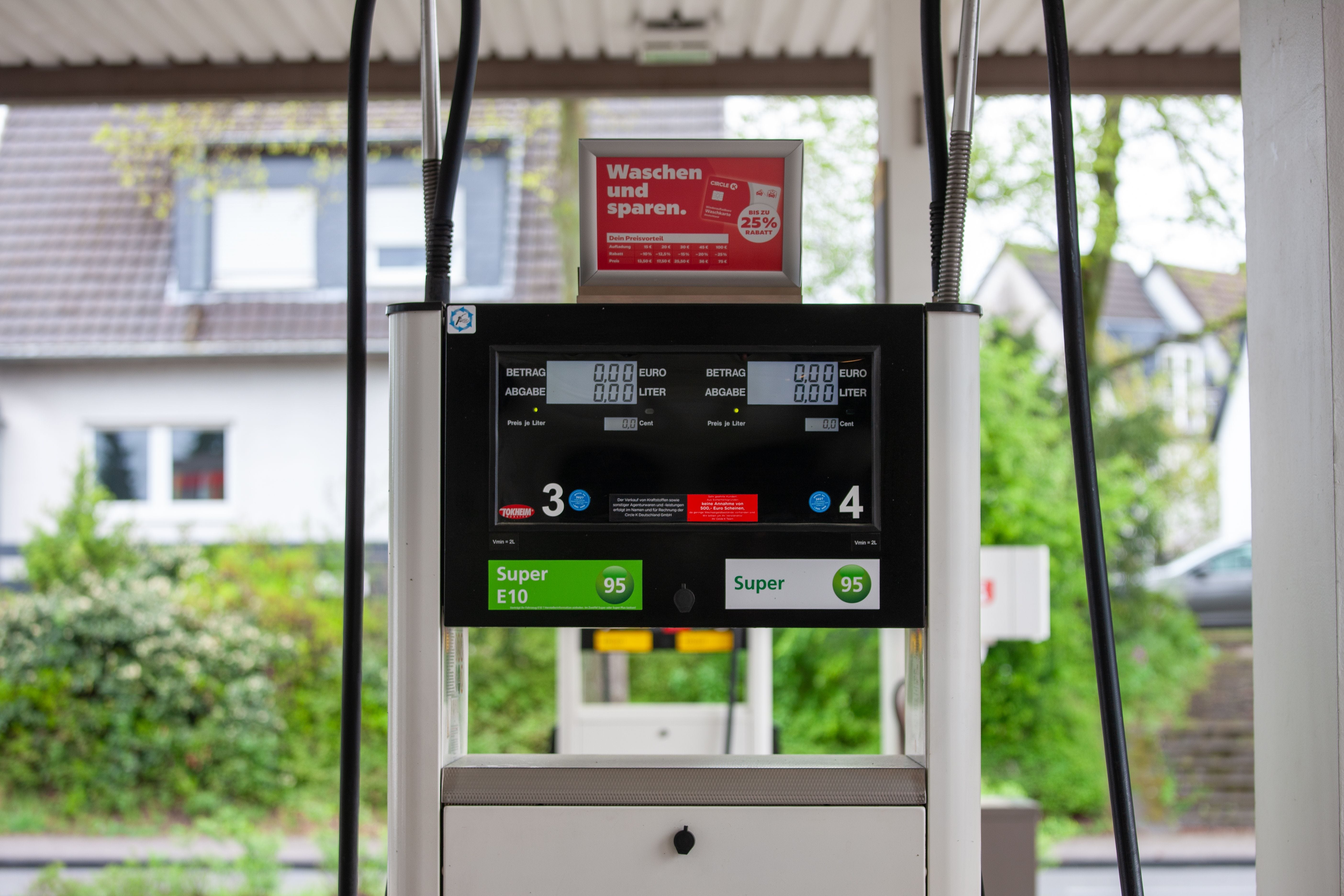
The energy and fuel shock has not eased. On 10 April, the average national price was around €2.56 per litre of Euro95 and €2.73 per litre of diesel, according to UnitedConsumers. According to TNO research using CBS data, around 225,000 Dutch households (mainly lower-income drivers with longer commutes) spend roughly 17 percent of their income on fuel.
Inflation pressure is also expected to remain elevated. In its Central Economic Plan 2026, the CPB warned that the Iran war could push Dutch inflation up by around 0.6 percentage points in 2026 from previous estimates, and that 2027 purchasing power would remain flat once tax increases from the coalition agreement kick in.
Familiar criticism, familiar dilemma
The April package was widely criticised, including by GroenLinks-PvdA leader Jesse Klaver and an FD analysis on EenVandaag, as “a drop on a hot plate.” The cabinet has so far ruled out an across-the-board cut in fuel excise duties, as Germany, Hungary and Croatia have introduced, arguing that such a measure would be costly and would benefit drivers who do not need extra help as much as drivers who do.
The cabinet is also working separately on a permanent “publiek energiefonds” for future years, intended to keep supporting vulnerable households after the current Noodfonds Energie expires.
For now, the practical question for households is which combination of measures will follow in August, and whether the cabinet can find a parliamentary majority to push them through. The full plan, and the price tag, is expected to emerge over the summer.