


See more of Dutch Brief in your Google search results
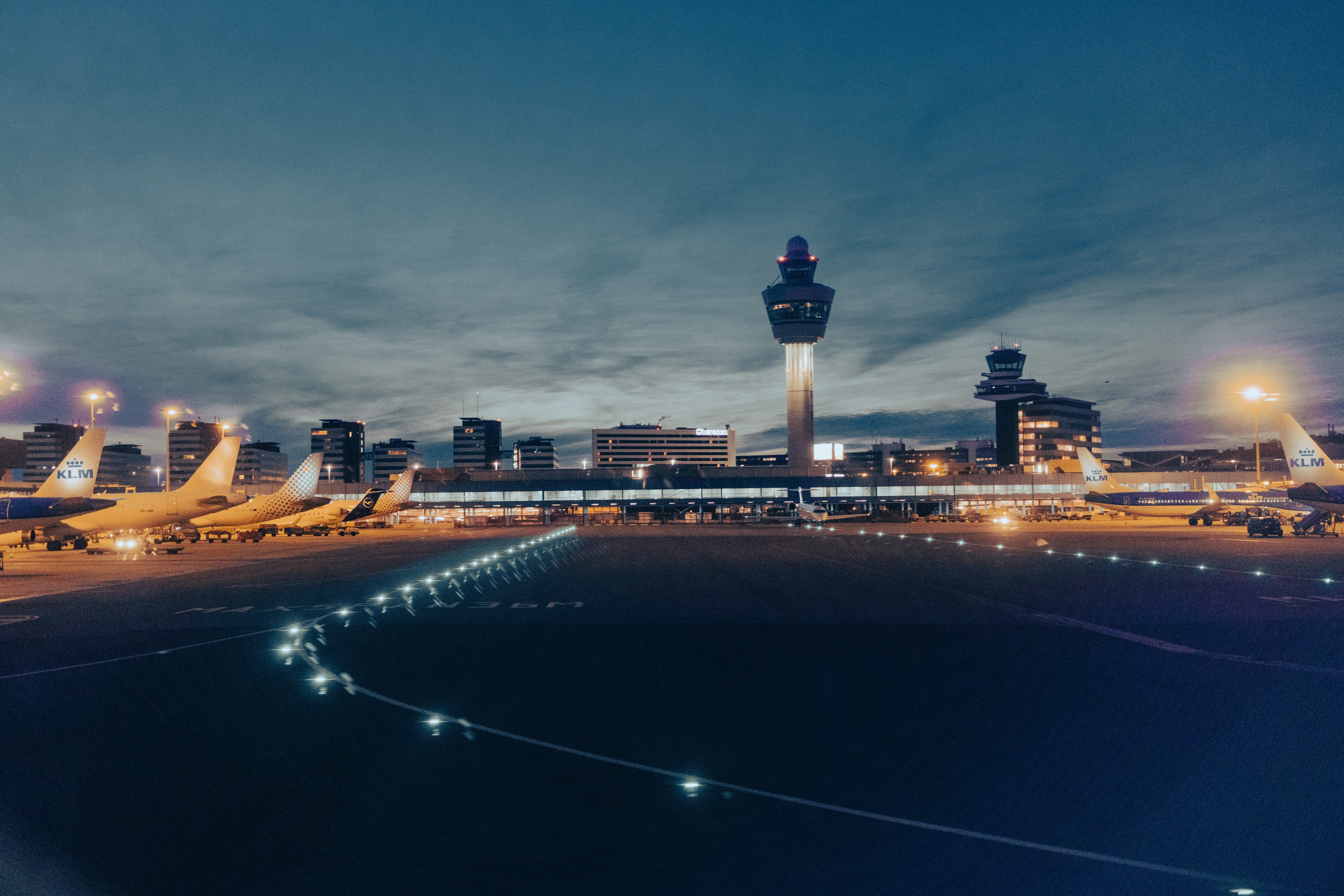
On the evening of Monday 9 November, dozens of aircraft near Schiphol briefly lost their satellite navigation. Investigators think this was caused by deliberate jamming. Some focus has shifted to the North Sea, where Russian ships were present, but so far, no one has been proven responsible.
What happened
Reports from NRC and Nieuwsuur say the disruption lasted about 20 minutes, starting around 6pm. Dutch air traffic control said seven planes had navigation problems while approaching Schiphol, but all landed safely. Flight-tracking data showed that many more planes over the Netherlands and the North Sea were affected, and some analyses suggest the number could be even higher.
This incident was an example of “jamming,” which means someone deliberately disrupted navigation signals by sending out a stronger, interfering radio signal. As a result, aircraft could not rely on GPS for a short time. Pilots reported the issue directly to the tower. A KLM crew said both of their GPS systems failed, and a Scandinavian Airlines crew told air traffic control they had been jammed.
Where the signal came from
American data analyst John Wiseman traced the likely source of the interference to the sea north of Texel, probably at sea level and possibly from a ship. Six Russian-flagged ships were in that area at the time. Shipping-news sources say three of them were part of a navy-escorted arms convoy, and both these ships and their owner are on the European sanctions list for weapons transport.
It is important to note that there is no proof any of these Russian ships caused the disruption. It has not been established whether one of them was responsible. The Dutch digital infrastructure inspectorate, the Rijksinspectie Digitale Infrastructuur (RDI), is investigating, but experts warn that such investigations may never find a definite culprit.
SPONSORED
You’re overpaying your accountant. And they still don’t call you back.

Neno gives you a dedicated bookkeeper, automated admin, real-time financial insights and a free business bank account. Everything your business needs, in one place.
No chasing. No surprises. No unnecessary costs.
A pattern, and the wider context
Experts say this incident fits a broader pattern. According to aviation expert Joris Melkert of TU Delft, GPS jamming is now a “common occurrence” along the eastern side of NATO territory, though it is still very rare in the Netherlands. This was the second large-scale jamming incident in Dutch airspace this year; a similar event happened near the UK-Netherlands border in July.
Peter Wijninga, a defence expert at The Hague Centre for Strategic Studies (HCSS), told Nieuwsuur he understands why people might first think of Russia. He said the incident fits the pattern of “hybrid warfare” meant to create fear, uncertainty, and confusion in Europe. Some analysts compare it to other recent disruptions, like fake bomb threats on European flights and hacked systems, as possible signs that states are increasing such tactics against countries supporting Ukraine. However, these are expert opinions and suspicions, not confirmed findings. No one has been officially blamed.
How dangerous is it?
Although the incident was worrying, the direct safety risk was limited. Modern planes have backup systems, and pilots know how to fly and land without GPS, which is why all affected planes landed safely. Wijninga said a truly dangerous situation would be a coordinated attack that also cut pilots off from air traffic control, but he emphasised that this has not happened.