


See more of Dutch Brief in your Google search results
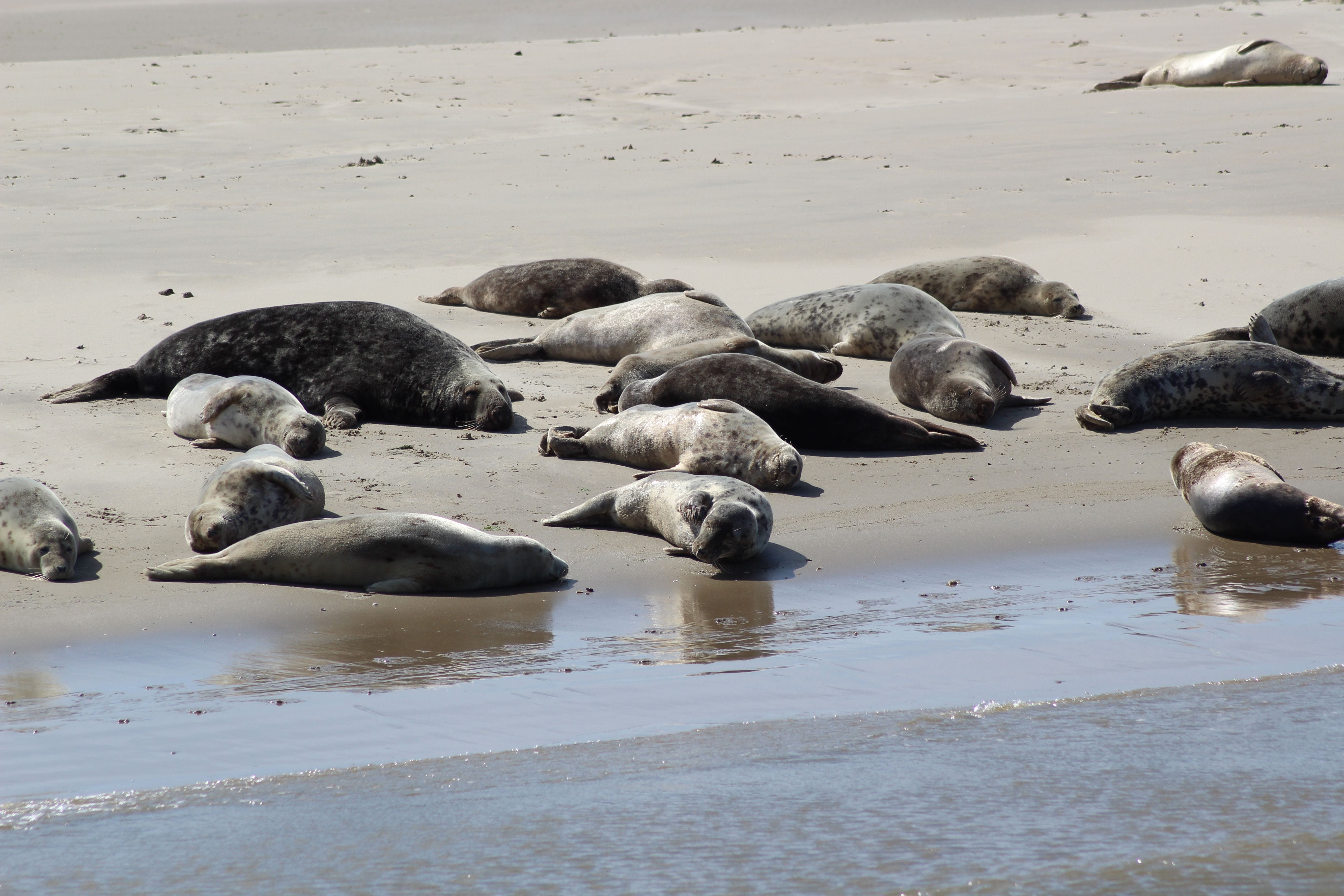
The seal centre at Pieterburen, one of the Netherlands’ most popular institutions, is struggling to survive. After warning it might have to declare bankruptcy within two weeks, the centre received a wave of donations. Still, its future is unclear, and the crisis has sparked renewed debate about the centre.
The warning and response
On Monday, the director and board of the Pieterburen Seal Centre Foundation said that the Wadden Sea World Heritage Centre (Werelderfgoedcentrum Waddenzee, or WEC) in Lauwersoog would have to file for bankruptcy within two weeks unless a solution is found. The WEC explained, “It would mean that seals in distress can no longer be taken in, and that forty people lose their jobs.”
The centre’s appeal quickly gained support. Since Monday, donors from the Netherlands and abroad have given about 700,000 euros through collections and direct gifts to the WEC. Some donations came from unexpected sources, like 40,000 euros from the cryptocurrency community and gifts from as far away as Japan. Despite that support, the centre says bankruptcy is still possible, as it needs about 2.8 million euros to survive.
What is at stake
The timing makes things even harder. Pup season starts in November or early December, and the centre warns that if it closes, about 70 seals, including around 35 newborn pups expected soon, would have nowhere to go. Founded in 1971 and led for many years by Lenie ‘t Hart, the centre serves as a seal hospital, research institute, and education centre about the Wadden Sea, a UNESCO World Heritage site.
SPONSORED
You’re overpaying your accountant. And they still don’t call you back.

Neno gives you a dedicated bookkeeper, automated admin, real-time financial insights and a free business bank account. Everything your business needs, in one place.
No chasing. No surprises. No unnecessary costs.
How it got here
The centre’s financial problems began with its move. In 2025, it relocated from Pieterburen village to a large new building in Lauwersoog’s harbour, reopening as the WEC. The new building cost much more than expected, with total expenses reaching about 43 million euros: 17.4 million over budget. This left a debt of about 2.8 million euros, in addition to a 9 million euro loan.
The crisis escalated on 8 October, when both the municipality of Het Hogeland and the province of Groningen, which had previously helped fund the centre, said they would not take part in a rescue deal or provide more support. The province had already given nearly 7.8 million euros in subsidies and had planned to step back. The WEC says the decision was unexpected.
Mixed opinions
Not everyone supports the centre without question. Social media reactions are mixed. Many people are upset about the possible closure, but some say it was expected. As one resident said, “Pieterburen should just have stayed the shelter; bigger isn’t always better,” referring to the expensive new building. Others say high ticket prices (18.95 euros for over-13s) have kept visitors away.
The crisis has also brought back an old scientific debate about whether rescue centres like this are still needed. When seal numbers improved, some experts questioned their role. However, marine-mammal biologist Nynke Osinga points out that seals have struggled more in recent years and says the centre’s work is important: “If fewer seals are taken in, fewer young seals reach adulthood and can eventually contribute to the population.” In September, local authorities asked the consultancy PwC to look at possible future options. For now, the centre hopes that public support, and maybe a change of mind from the authorities, will help it survive.