


See more of Dutch Brief in your Google search results
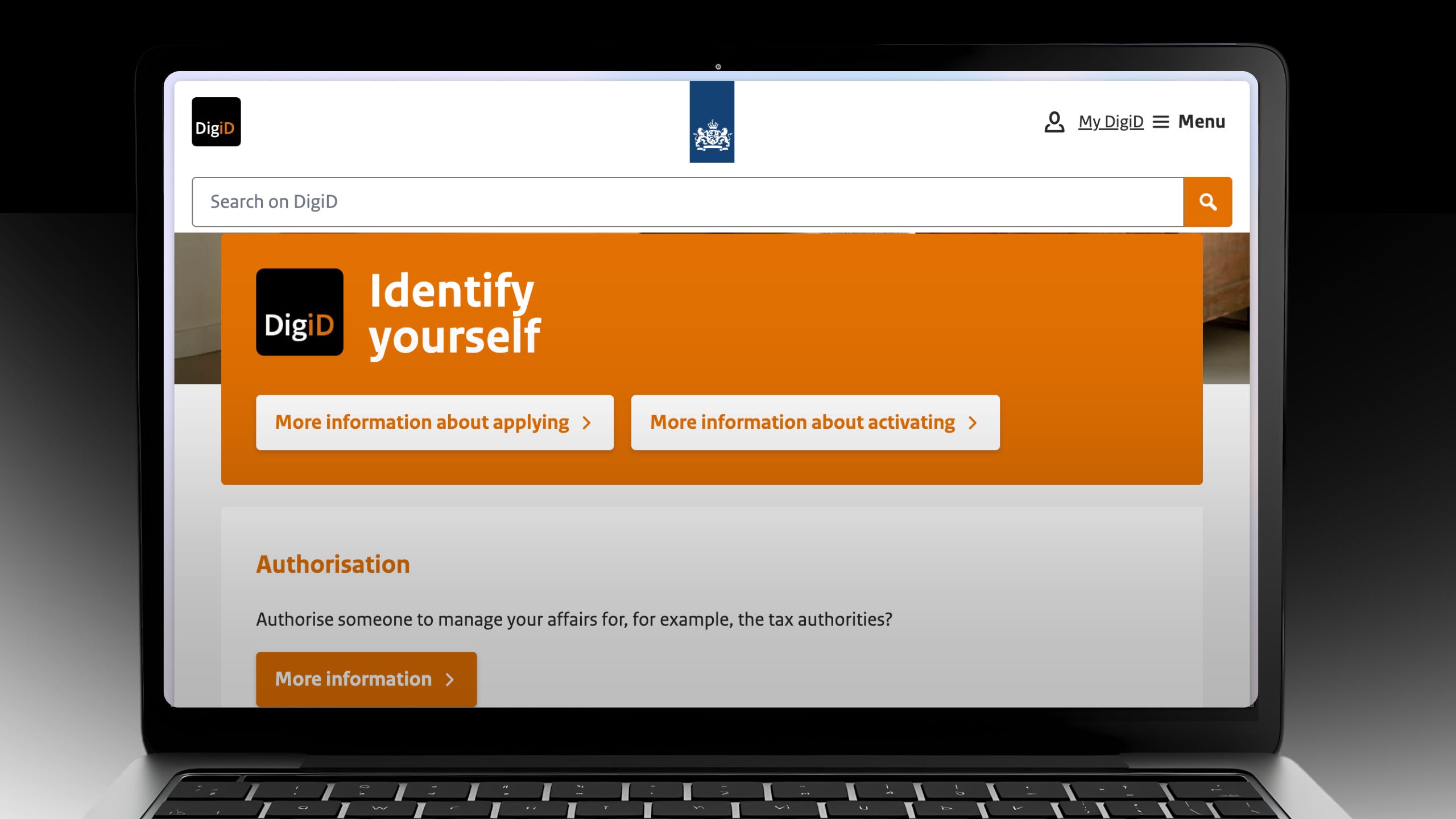
A court in Rotterdam has ruled that the Dutch government acted within the law when it blocked the takeover of Solvinity, the company that runs the national DigiD login system, by the American firm Kyndryl. The decision means the ban can stay in place, for now, while the company’s wider legal challenge is heard.
What the court decided
Solvinity, together with its current owner, had gone to court in summary proceedings (in Dutch, a kort geding) to ask a judge to suspend the government’s decision, so that the takeover could go ahead. On Tuesday, the judge refused. The court found that the takeover of Solvinity by Kyndryl “can pose a threat to the public interest,” and that lifting the ban could have irreversible consequences, whereas keeping it in place while the case is decided would not cause the same harm. There was, the court said, no particular urgency to complete the deal.
The ruling was not entirely one-sided. The court criticised the responsible minister for aspects of her conduct during the case, and recognised two campaign foundations, The Firewall and Privacy First, as interested parties, meaning they will be able to intervene in similar takeovers in future.
Why the government blocked the deal
The takeover, worth at least 100 million euros, was blocked in late May by State Secretary Willemijn Aerdts, a D66 politician responsible for the digital economy and digital sovereignty, who answers to Economic Affairs Minister Heleen Herbert. She acted on the advice of the Bureau Toetsing Investeringen (the Investment Screening Bureau), which assesses whether takeovers pose a risk to national security and concluded that this one did.
Her decision rested on the Telecommunications Act, and in particular rules that let ministers block a party from taking a controlling stake in telecoms companies where that could threaten the public interest. The core worry is one of jurisdiction. As a subsidiary of Kyndryl, an American company that was spun out of IBM, Solvinity would fall under US law. The government argues that this could oblige it to hand over data to US authorities, even data held on servers in Europe, or leave it able to switch off DigiD.
SPONSORED
You’re overpaying your accountant. And they still don’t call you back.

Neno gives you a dedicated bookkeeper, automated admin, real-time financial insights and a free business bank account. Everything your business needs, in one place.
No chasing. No surprises. No unnecessary costs.
What is at stake: DigiD and data
The reason the case matters so much is what Solvinity actually does. It manages the infrastructure behind DigiD and the related government portal MijnOverheid, and has deep access to confidential government information. DigiD is the login that people in the Netherlands use to reach a wide range of services: tax authorities, benefits, immigration matters, hospital patient records and insurance providers.
Since its launch in 2003, DigiD has become a critical part of the country’s digital infrastructure, and the prospect of a New York company being able to access Dutch residents’ data caused an outcry among the public, experts and politicians when the takeover was announced. A parliamentary majority came out against it, and one survey suggested that 87 percent of DigiD users would stop using the system if it came under US ownership.
Solvinity’s case
Solvinity disputes the government’s reasoning. It argues that the state has not sufficiently explained why the takeover would pose a risk to the public interest. The company points out that Kyndryl is an established IT provider that also works on the ICT systems of the Dutch Ministry of Defence, and says it could take measures to address the concerns. It also notes that the Dutch government already relies on American companies such as Microsoft and Oracle for sensitive services without similar action being taken. Kyndryl has previously described the blocking of the deal as a politicisation of the takeover. Solvinity’s current owner, the British investment firm Vitruvian Partners, decided to sell the company in 2024.
A test case, and what comes next
The dispute is one of the first major tests of the Netherlands’ broadened approach to screening foreign takeovers, under which national security, not only competition, can determine whether a deal in technology, telecoms or digital infrastructure goes ahead. That makes such cross-border deals more likely to face scrutiny, delay, or refusal.
The legal process is not over. Aerdts is due to give her formal review of Solvinity’s objection by the end of September, and must also consider whether measures less far-reaching than an outright ban would be appropriate. A separate appeal against the original decision is still to be heard. In the meantime, the government has said it wants DigiD to be run in future on a sovereign government cloud, and has launched a new tender that would allow only a European company to operate the platform.