


See more of Dutch Brief in your Google search results
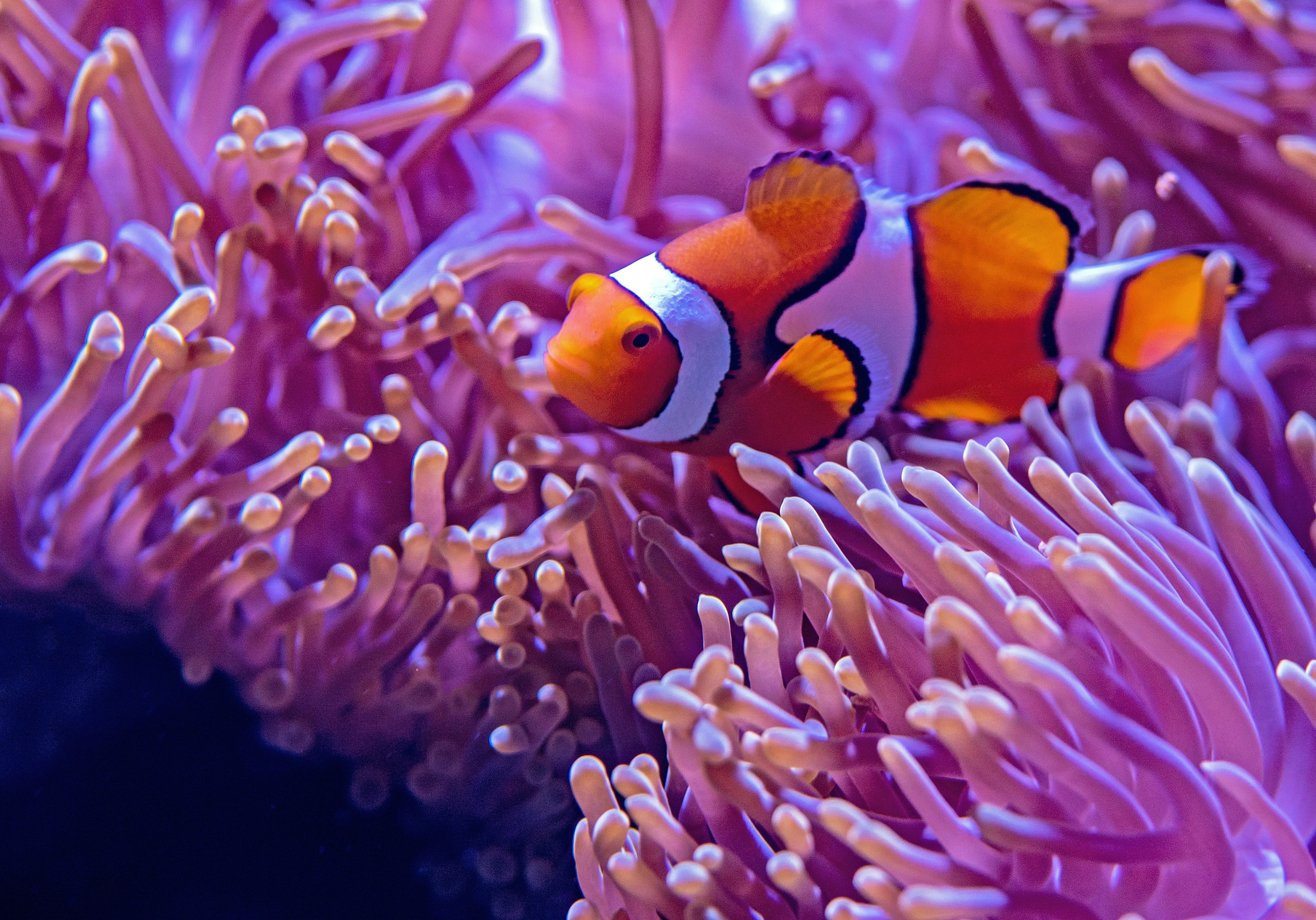
The coral reef surrounding Bonaire, a Dutch island in the Caribbean, is disappearing. Researchers say coral now covers only about 5 percent of the seabed around the island, down from more than 60 percent half a century ago, a collapse they attribute mainly to the warming of the sea.
A steep decline
The figures were shared with the broadcaster NOS by scientists from Wageningen University and Research. They come from recent fieldwork whose full results have not yet been published in scientific journals, and which the researchers describe as a first analysis. That early look points in one direction: the coral has continued to deteriorate. An earlier report, based on data from 2017, had already put average coral cover on Bonaire at under 10 percent, with algae increasingly dominating the reefs.
Bonaire is not a foreign country as far as the Netherlands is concerned. Since 2010 it has been a special municipality of the Netherlands, which makes this Dutch territory, studied by Dutch scientists, and, as it turns out, the subject of a Dutch court case.
Why the coral is dying
The main driver is heat. “A great deal of coral has died because of a very severe El Niño, a serious warming of the seawater,” said coral researcher Erik Meesters of Wageningen University and Research. On top of that, he said, the coral has suffered from disease, which is also probably linked to climate change. “With higher temperatures you get more bacteria in the water, so corals are also more susceptible to illness.”
Corals are animals, not plants, and they build the hard, colourful structures of a reef over long periods. Not all species are faring equally badly. Meesters said some fast-growing types are hanging on, which he has bluntly called “weed coral”, but the large reef-building corals, which can grow up to ten metres, are the ones vanishing. Those are the corals that create the structure a whole ecosystem depends on.
SPONSORED
You’re overpaying your accountant. And they still don’t call you back.

Neno gives you a dedicated bookkeeper, automated admin, real-time financial insights and a free business bank account. Everything your business needs, in one place.
No chasing. No surprises. No unnecessary costs.
Why it matters beyond the wildlife
The loss reaches well beyond the underwater scenery. Reefs are home to countless fish, which use the coral for food and shelter, so their decline ripples through marine life. Bonaire’s economy is also heavily dependent on diving and snorkelling tourism, and a dying reef puts that at risk.
There is a further, less obvious consequence. A healthy reef acts as a natural breakwater, absorbing the force of waves before they reach the shore. Research has found that the coral helps protect Bonaire from flooding, and that part of the island will be lost as sea levels rise. That protective role is central to a climate case brought by Greenpeace Nederland against the Dutch state. In January, the district court in The Hague ruled that Dutch climate policy breached the human rights of Bonaire’s residents and treated them unequally compared with people in the European part of the Netherlands. The court gave ministers deadlines to set out how much greenhouse gas the country can still emit, to turn that into binding targets, and to produce a climate adaptation plan for the island by 2030. The cabinet is appealing, but remains bound by the judgment in the meantime.
Can the reef be saved?
Despite the bleak numbers, Meesters believes the reef can still recover, but only if action is taken quickly and on two fronts at once. The first is global: to stop the warming, he said, the world needs to move away from fossil fuels as fast as possible. The second is local restoration, and that is already under way on Bonaire.
The organisation Reef Renewal, linked to one of the island’s diving schools, grows small corals and replants them around the island. “Corals are animals, but you can take cuttings from them like plants,” said Sanne Tuijten of Reef Renewal, adding that replanted corals are seen to grow further and reproduce. The group says it has planted 20,000 pieces of new coral around Bonaire. That may sound like a lot, but on the scale of the Caribbean Sea it covers only a modest area, and the organisation itself acknowledges it is not enough to solve the problem on its own.
For now, the message from the researchers is a mix of alarm and cautious hope: the reef is in a dire state, but not yet beyond saving, provided the warming that is killing it is brought under control.