


Around 200,000 people in the Dutch towns of Dordrecht, Zwijndrecht and Hendrik-Ido-Ambacht must boil their tap water before using it, after the E. coli bacterium was detected during a routine check of the drinking water. The boil water advisory was issued on Friday evening by the safety region Zuid-Holland Zuid and drinking water companies Evides and Oasen, and runs for at least 72 hours.
SPONSORED
You’re overpaying your accountant. And they still don’t call you back.

Neno gives you a dedicated bookkeeper, automated admin, real-time financial insights and a free business bank account. Everything your business needs, in one place.
No chasing. No surprises. No unnecessary costs.
What residents are being asked to do
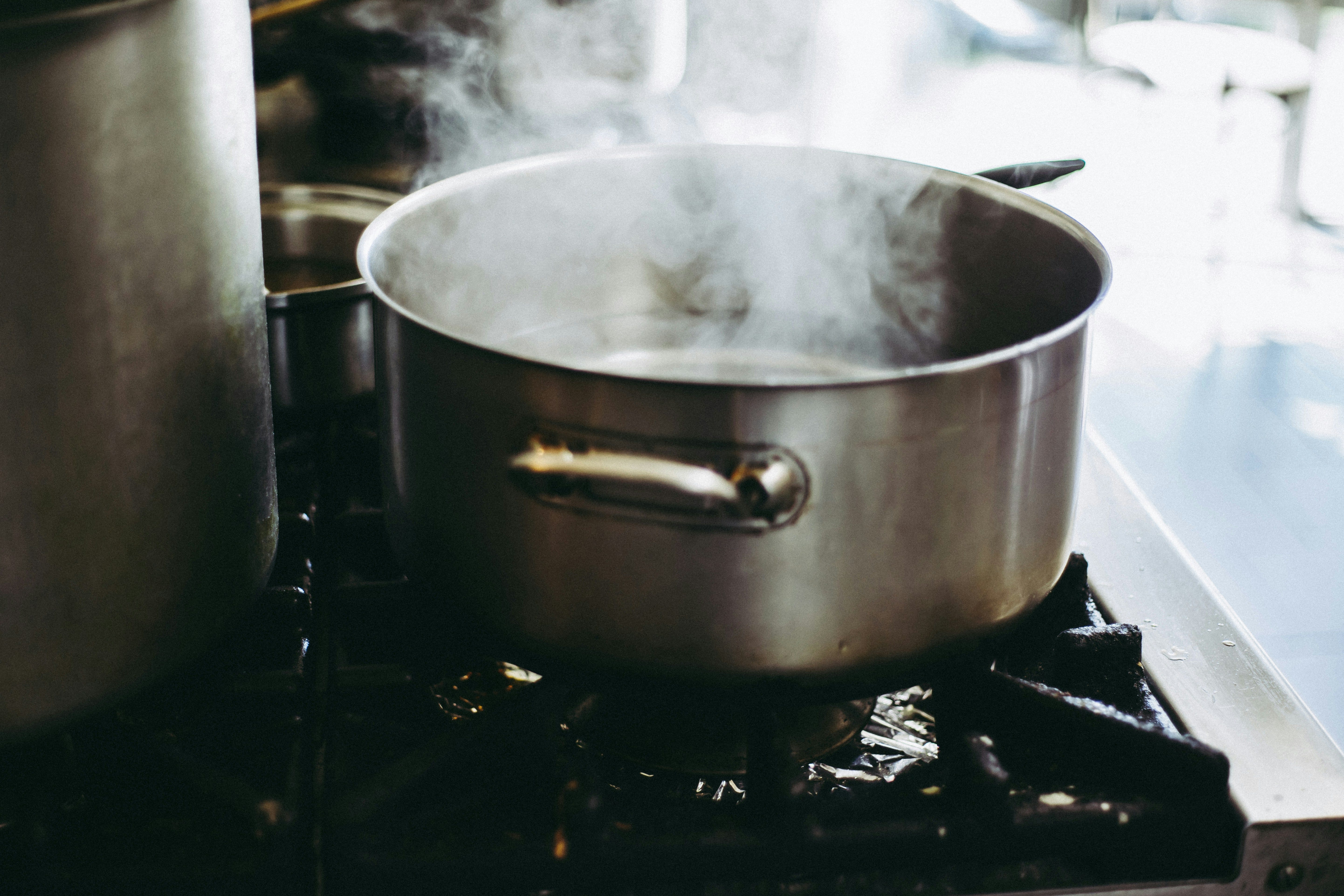
For at least three days from Friday evening, tap water in the three municipalities (including Heerjansdam, part of Zwijndrecht) must be boiled for a minimum of three minutes before being used for drinking, cooking or brushing teeth. The authorities specifically advise using a saucepan or a whistling kettle, because regular electric kettles and coffee machines typically do not boil water for that long at a stretch. Boiling for three minutes kills any bacteria that may have entered the pipe network.
The advisory will remain in place until further testing shows that the drinking water is fully safe again. Residents are being asked to inform each other, especially those who may not see the news quickly, such as elderly people or people who do not speak Dutch. Up-to-date information is being shared via www.evides.nl/alert and www.oasen.nl/alert.
What happened, and what is unknown
The bacterium was found during a routine check on Friday. After the announcement, the websites of Evides and Oasen briefly went down under the weight of visitors, and an NL-Alert was sent out via mobile phones. Supermarkets that were still open saw a run on bottled water. DordtCentraal
How the E. coli reached the drinking water has not been disclosed. Such contamination can happen, for example, after a pipe burst or extreme rainfall, when groundwater or sewage water can enter the clean water network. The water companies are now testing further.
Why E. coli matters
E. coli is a bacterium that naturally lives in the intestines of humans and animals. Most strains are harmless to healthy adults and some are even useful. However, certain variants can cause diarrhoea, nausea and vomiting, and in more severe cases bladder and kidney infections or even life-threatening blood poisoning. Young children, the elderly, pregnant women and people with weakened immune systems are particularly vulnerable.
The presence of E. coli in drinking water is usually a sign of contamination of the pipe network rather than a single point source.
A rare but not unprecedented event
Dutch drinking water is widely regarded as among the cleanest in the world, with the result that boil water advisories are unusual. The most recent comparable case was in early October 2024, when residents of Apeldoorn were also told to boil their tap water after E. coli was detected. Earlier this year, the Council for the Living Environment and Infrastructure (Rli) warned that the country could face wider drinking water shortages in the coming decades, due to growing demand, pollution and climate pressures.
For now, the immediate advice in the Dordrecht region remains straightforward: when in doubt, boil the water, and check the Evides and Oasen websites for the latest update on when the all-clear is given.
This is a public-health topic. People with severe symptoms such as persistent diarrhoea, vomiting or signs of a kidney or bladder infection should contact their GP or, if urgent, call 112.