


See more of Dutch Brief in your Google search results
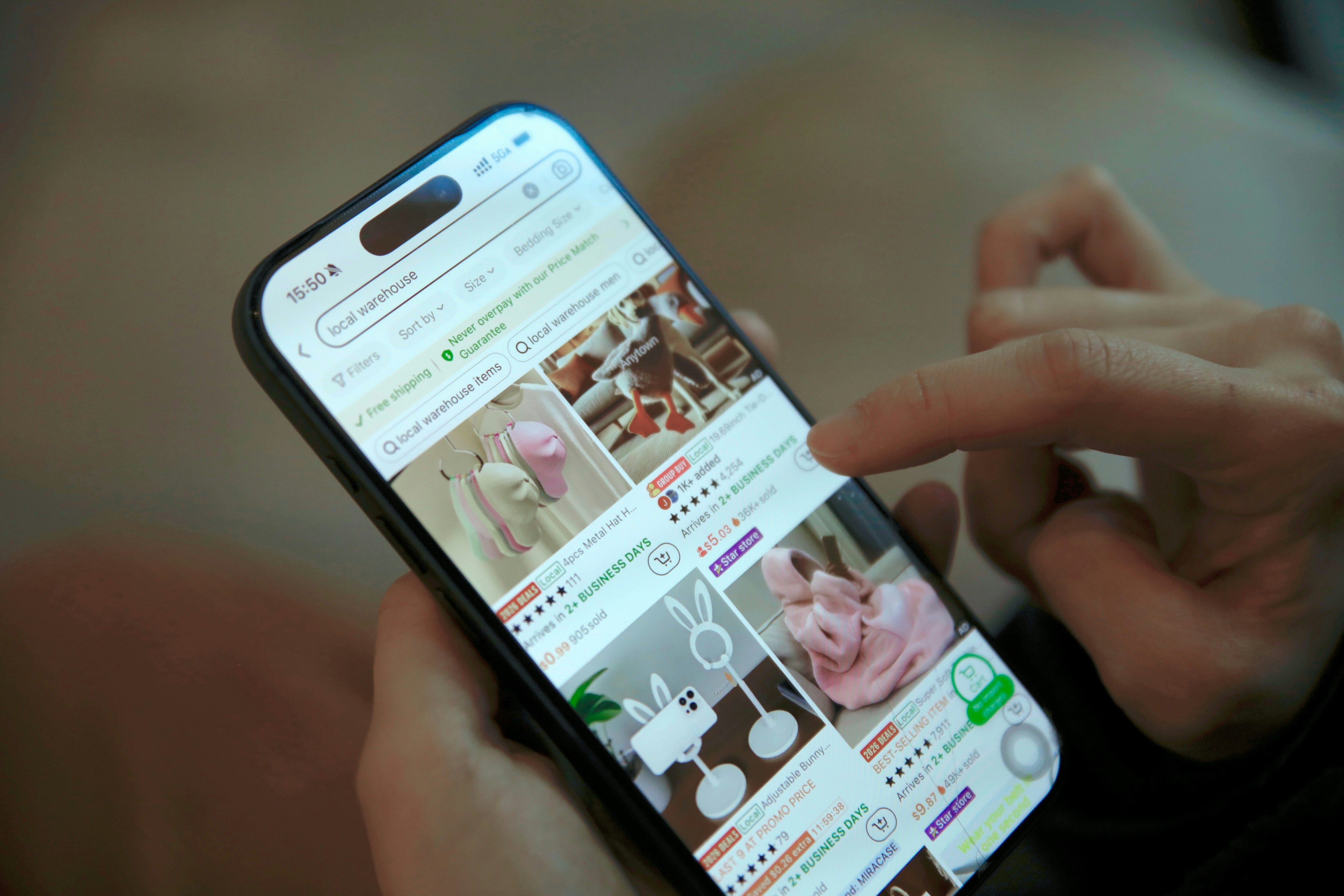
Black Friday, Cyber Monday, Sinterklaas and Christmas are all coming up soon, making this the busiest time of year for online shopping in the Netherlands. It’s also when scammers are most active, so Dutch consumer watchdogs are warning shoppers to stay alert.
The warning
Several organisations, such as the ACM (the Authority for Consumers and Markets), the Consumentenbond, the Juridisch Loket, the Fraud Helpdesk and the police’s National Internet Fraud Reporting Centre (LMIO), have issued a joint warning about scams and fraud by online shops before the holidays. They get reports about unreliable retailers throughout the year, but expect even more during the shopping season.
“With the holidays approaching, no one wants a bad purchase or an order that arrives far too late, or never arrives at all,” said ACM board member Martijn Ridderbos.
The scale of the problem
The numbers show the problem is getting worse. In the first nine months of 2026, the ACM got almost as many reports about unreliable webshops as in all of 2025, and expects even more with Black Friday and the holidays coming up. The police’s LMIO gets over 40,000 reports of purchase and sales fraud each year, and the Fraud Helpdesk has already logged nearly 12,000 reports of fraudulent webshops this year. On average, people lose about 300 euros per case. The real number of victims is likely higher, since not everyone reports it.
SPONSORED
You’re overpaying your accountant. And they still don’t call you back.

Neno gives you a dedicated bookkeeper, automated admin, real-time financial insights and a free business bank account. Everything your business needs, in one place.
No chasing. No surprises. No unnecessary costs.
What goes wrong, and the role of AI
The complaints are often the same: products that don’t meet expectations, orders that arrive very late or never arrive, customer service that’s hard to reach, and websites that make it difficult to cancel or return an order. The ACM also hears a lot about “dropshippers”—webshops that don’t keep their own stock but ship products directly, often from China. This can lead to long waits and disappointing products.
Artificial intelligence is a new concern. More people are finding dodgy webshops through ads on social media, and AI makes it easier for scammers to create convincing websites, fake product photos and lots of fake reviews. So, just because a shop looks professional doesn’t mean it’s trustworthy.
How to check before you buy
The main advice is straightforward: check if a shop is reliable before you order, not after. Here are some practical steps the organisations recommend:
Look at independent review sites for recent, real customer reviews. Be careful if a shop has no reviews or only very positive ones that seem suspicious.
Check if the shop is on the police’s list of known rogue traders (malafide handelaren). You can also use the ACM’s checklist, which is available through its ConsuWijzer consumer information service.
Make sure the basics are in order: clear company details (like a KvK Chamber of Commerce number and address), realistic prices, and trusted payment options. Be careful if the only way to pay is by bank transfer in advance.
Make sure to verify that any quality marks or seals (keurmerken) are legitimate and still valid. The ACM often recommends using an AI chatbot to evaluate an unfamiliar shop. They have even provided a sample prompt on ConsuWijzer that you can copy and paste into a chatbot with internet access, along with the shop's web address. This will allow the bot to check reviews, warnings, company details, and payment methods. Ridderbos said that in this way, you can almost always filter out scammers, misleading dropshippers or shops that are not operating properly. (The irony, as experts note, is that AI can also recommend unreliable shops, so the final judgment remains yours.)
If something goes wrong
If you do get scammed, you can report the shop to the Fraud Helpdesk and the police’s LMIO. The Juridisch Loket gives free personal legal advice to people with a low income who have been victims of online fraud. And if you’re looking for real bargains, the Consumentenbond is hosting a live stream on Instagram on Thursday 26 November, the day before Black Friday, to help spot misleading discounts.