


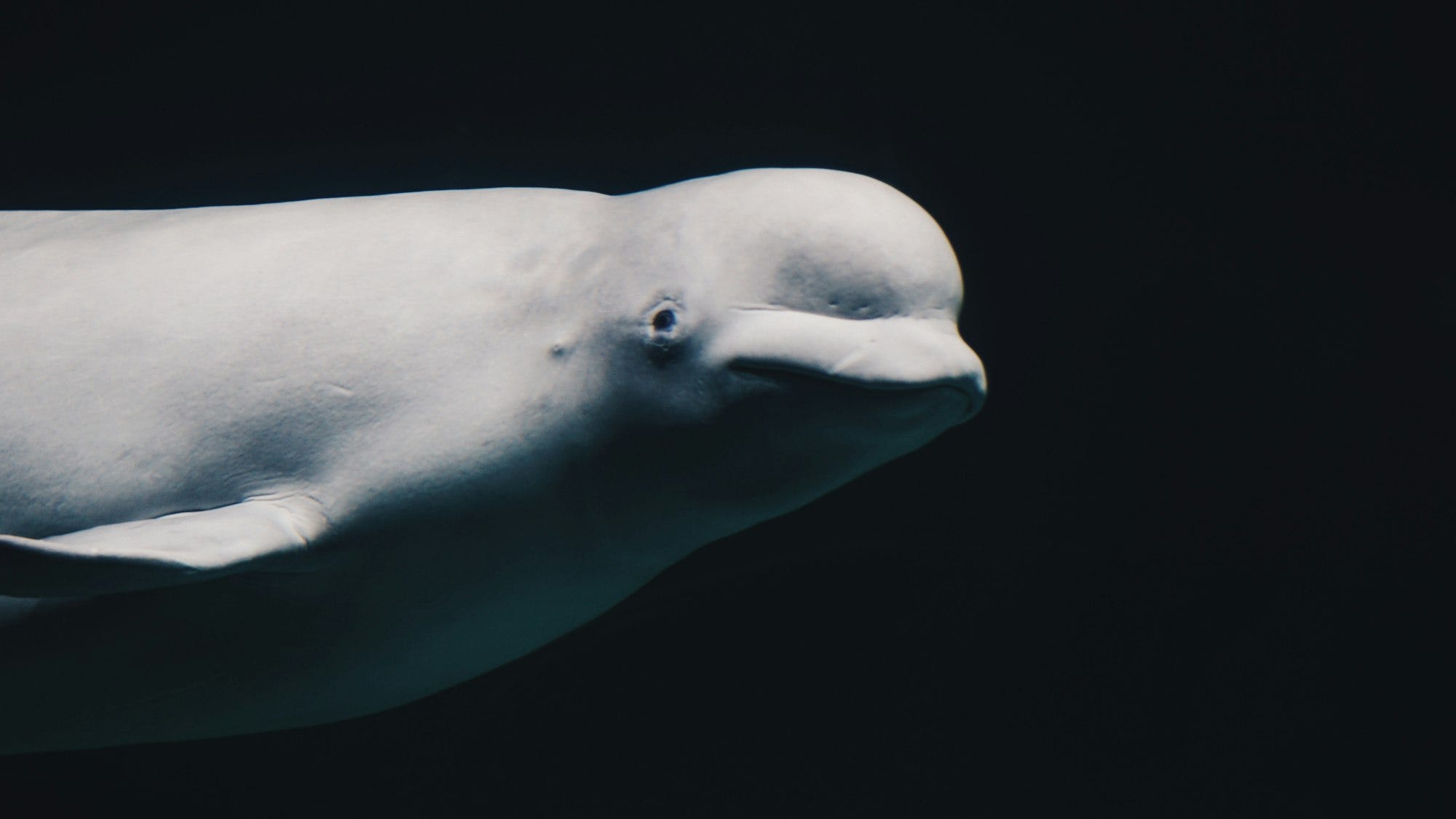

A beluga whale, also known as the “white whale,” has been spotted off the Dutch coast for the first time in roughly 60 years. The animal was first seen around midday off Callantsoog in North Holland by the KNRM sea rescue service, and later reported again from nearby coastal spots including Groote Keeten, Julianadorp, and the beach area near Den Helder.
Dutch media described the sighting as exceptional because belugas normally live much further north, in and around Arctic waters.
Why the sighting is so unusual
Belugas are Arctic whales that usually stay in cold northern seas. Seeing one in the southern North Sea is rare, and Dutch outlets noted that the last confirmed beluga sighting in Dutch waters was in 1966.
That does not automatically mean the whale is in immediate danger, but it does raise questions about how it ended up so far from its normal range. Researchers generally treat “out of place” whale sightings carefully, because the causes can range from simple navigation errors to changes in food availability or ocean conditions.
How the whale appeared to be doing
The Dutch marine mammal rescue and expertise group SOS Dolfijn was alerted after the initial reports and assessed the beluga’s condition. They told Dutch media the animal appeared active and in reasonably good shape based on what they could observe: diving normally and moving steadily.
At the same time, SOS Dolfijn stressed that a beluga does not “belong” in Dutch waters, so the situation is being monitored in case the animal becomes exhausted, disoriented, or ends up too close to shore.
What authorities are asking the public to do
The main message from rescuers is simple: enjoy the moment, but keep your distance.
Because belugas can become stressed when boats approach them, SOS Dolfijn has urged people not to head out to sea to follow the whale. Watching from the beach is considered safer for the animal and for the public.
Large crowds have gathered along parts of the coast after news of the sighting spread, and reports have repeated the same guidance: do not try to “help” the whale yourself, do not attempt to feed it, and do not attempt to drive it in any direction.
Could the beluga simply swim away
In many cases, a whale that strays outside its usual area eventually continues on its own. Belugas are strong swimmers, but they are also social animals that often travel in groups, so a lone beluga can be harder to interpret. The best-case scenario described by experts is that it keeps moving and finds its way back toward colder waters without needing intervention.
Rescue groups typically step in only if an animal shows clear signs of distress, such as repeated stranding, visible injury, or inability to feed.
Why this matters beyond a rare wildlife moment
For many people, a beluga off the Dutch coast is simply a once-in-a-lifetime sight. But it also highlights how closely the Netherlands is connected to the wider North Sea ecosystem.
The Dutch coast sits on a busy marine corridor with heavy shipping and fishing activity, plus strong currents and quickly changing weather. A rare visitor like a beluga draws attention to the pressures marine animals can face in these waters—especially if they end up close to shore or near boat traffic.
For now, experts and rescuers are treating the sighting as unusual but not automatically alarming: the whale appears to be moving and behaving normally, while monitoring continues in case conditions change.