


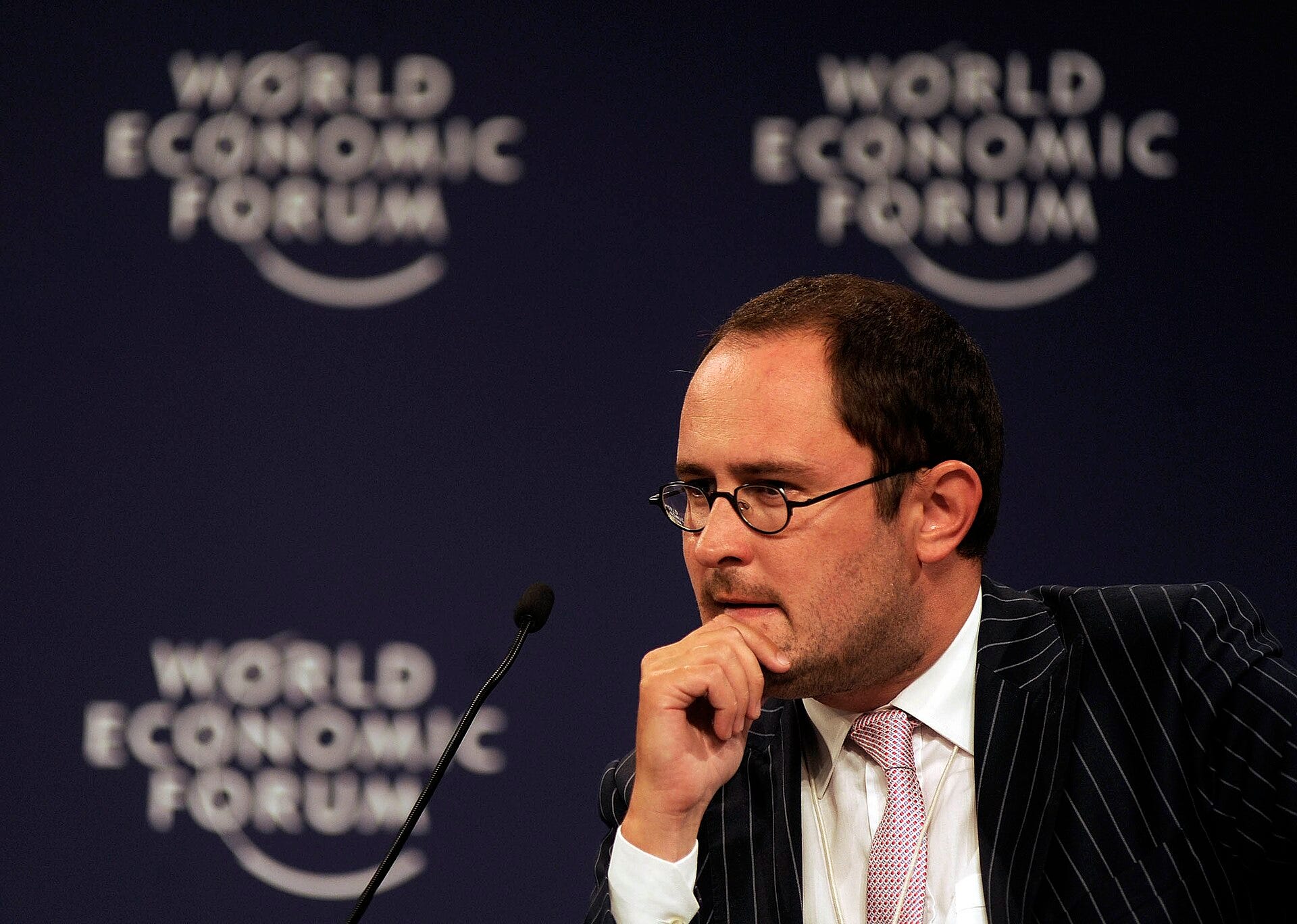
The Belgian federal prosecutor's office wants to prosecute three Dutch nationals for the attempted hostage-taking of Vincent Van Quickenborne, who at the time was Belgium's justice minister. The move comes nearly four years after the suspected plot in 2022 and reverses an earlier decision that there was not enough evidence to bring such serious charges. The development was first reported by Het Nieuwsblad and confirmed by VRT NWS.
Rentals in the Netherlands

Signaal tracks the Dutch rental market and notifies you the moment something matches your search. Be first to apply.
What happened in 2022
On 22 September 2022, the Belgian federal prosecutor’s office told Van Quickenborne there was a “very concrete threat” against him, prompting extra police protection at his villa in Kortrijk. Soon after, a Renault Mégane with a Dutch licence plate was found near his home. The vehicle, which turned out to be stolen, contained an automatic weapon, a handgun, zip ties, bottles of petrol and ingredients for a Molotov cocktail. The minister and his family were taken to a safehouse, where they remained for weeks.
Belgian police quickly arrested four Dutch suspects, all said to come from the drug underworld, on suspicion of plotting to kidnap the minister. Two more were detained later, bringing the total to six. The plot was widely seen, both in Belgium and the Netherlands, as a striking example of how Dutch organised crime had begun to target public figures across the border.
Why the case stalled
In August 2024, the Belgian prosecutor’s office concluded that the available evidence was not enough to charge the six men with attempted kidnapping. One of the suspects admitted that he had been paid €500 to drive a car to Kortrijk, but said he did not know what was inside. The others said they had wanted to go out drinking in Antwerp, around 100 kilometres away, but could not explain why they had ended up at the minister’s house. Their statements were not airtight, but the prosecutor said the link to a kidnapping plot could not be proven. The six remained charged only with illegal weapons possession and membership of a criminal organisation.
Van Quickenborne’s lawyer, Jan Leysen, said at the time that he was “surprised” by the decision and asked the investigating judge for additional research into the case. “First he has to go into hiding, then they find weapons and zip ties in the neighbourhood, and afterwards the prosecutor wants to drop the charges,” Leysen told VRT NWS. “With the further investigation, we would like to know how that turn came about.”
What has changed now
That additional investigation has now produced new findings, prompting the federal prosecutor’s office to change course. Three of the six Dutch suspects will be prosecuted for attempted hostage-taking, while the other three will be prosecuted for membership of a criminal organisation. The prosecutor’s office did not disclose the specific new evidence. The case will now need to be brought before the raadkamer (the council chamber that decides whether suspects should be referred to a trial court).
The wider context
The plot against Van Quickenborne has long been seen as a sign that Dutch organised crime, particularly the violence associated with the so-called Mocro-Maffia, was spilling into Belgium and reaching beyond the underworld into politics and public life. In the Netherlands itself, the murders of Peter R. de Vries and others linked to the Marengo trial had already shown that prominent figures could become targets. Belgian observers warned at the time that what had happened in the Netherlands was now happening south of the border too.
Van Quickenborne has since left government; the role of Belgian justice minister is now held by Annelies Verlinden. For the country’s drug-related security policy, however, the renewed prosecution is a reminder that the case at its heart, a foreign minister forced into hiding by criminals based across the border, is still very much open.