


See more of Dutch Brief in your Google search results
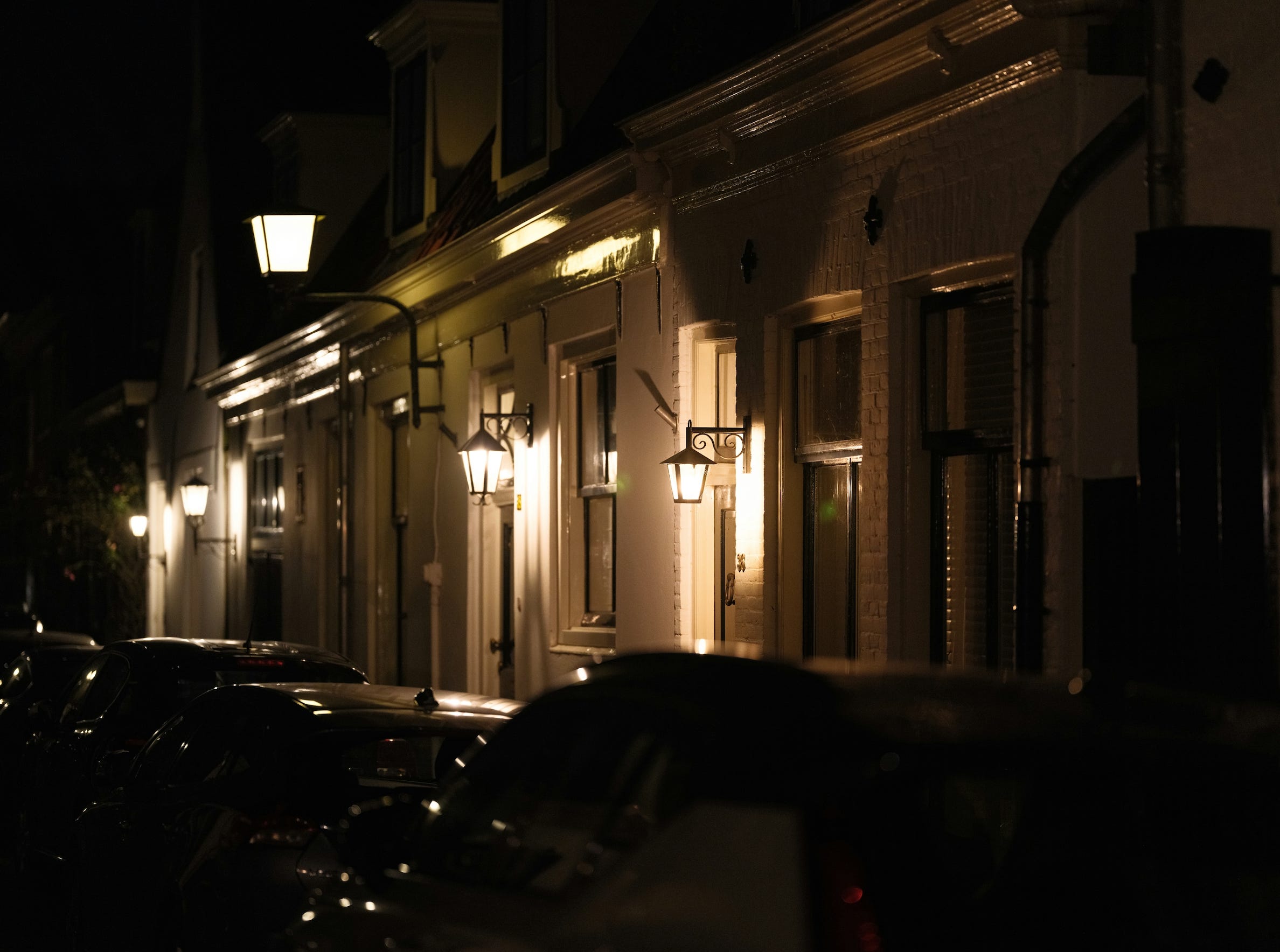
Around 503,000 households in the Netherlands were living in energy poverty last year, or 6 percent of the total, according to new figures from Statistics Netherlands (CBS) and the research institute TNO. That is unchanged from 2024, meaning the decline seen in earlier years has come to a halt.
What energy poverty means
A household counts as energy poor if it has a low income combined with high energy costs, a home that is hard to heat or cannot generate its own energy through solar panels, or both. It is a measure of whether people can realistically afford to keep their home warm and lit.
The current 6 percent is well below the level of 2019, when nearly 10 percent of households were in this position. It also remains lower than in 2021, the year before government support began. During the energy crisis that followed the Russian invasion of Ukraine, compensation measures pushed the figure down to 3.7 percent in 2023. Once that support ended, it climbed back to 6 percent in 2024, where it has now stayed.
“We see that the group of people with a low income has decreased somewhat. However, this was offset by the fact that energy costs have risen. These effects more or less cancelled each other out,” said CBS chief economist Peter Hein van Mulligen.
The problem is getting deeper
For the first time, the researchers looked not only at how many households are affected but at how far they fall short. This measure, called the affordability gap, is the amount a household would need each year to bring its energy costs below the energy poverty threshold.
That gap widened in 2025. Households with a low income and high energy costs fell short by an average of 624 euros a year, up from 577 euros in 2024. Lifting all of them out of energy poverty would have cost around 256 million euros.
The shortfall is not spread evenly. It is deepest for households in homes with very poor energy efficiency, at an average of 1,295 euros a year, and for those who own their home, at 967 euros.
SPONSORED
You’re overpaying your accountant. And they still don’t call you back.

Neno gives you a dedicated bookkeeper, automated admin, real-time financial insights and a free business bank account. Everything your business needs, in one place.
No chasing. No surprises. No unnecessary costs.
Rising costs, a bigger share of income
Average monthly energy costs rose again last year, from 167 euros in 2024 to 181 euros in 2025 across all households. For households in energy poverty, they went up from 177 to 188 euros.
That takes a much larger bite out of a smaller income. Energy-poor households spent 11.5 percent of their income on energy last year, against 4.8 percent for households on average, or roughly two and a half times as much. CBS attributes the increase to higher fixed supply costs for gas and electricity, and to higher energy use, which together pushed energy spending up faster than incomes.
Within the overall figure, one trend is positive and one is not. The number of low-income households living in poorly insulated homes continued to fall, but the number with a low income and high energy bills rose, from 385,000 in 2024 to 410,000 in 2025.
Where it is most common
Energy poverty occurs relatively often in the big cities and in north-east Groningen and south Limburg. At municipal level, the highest shares in 2025 were in Vaals, at 13.5 percent, Heerlen at 12.1 percent, Rotterdam at 11.4 percent and Enschede at 11.3 percent, with Arnhem and Amsterdam both around 10 percent. Households with the deepest shortfalls tend to live around the edges of the country rather than in the cities.
What comes next
The 2025 figures are a provisional estimate by TNO, because not all the underlying data is available yet.
Looking ahead, the government has set up an Emergency Energy Fund holding around 200 million euros. TNO researcher Anika Batenburg said she could not yet say how much difference it would make, since that depends on how the ministry arranges it.
Energy prices are rising again this year, which Van Mulligen linked to the war in Iran. So far, he said, the effect on households has been limited. “We do see that effect in the price of diesel and petrol, but not yet in household energy prices,” he said, adding that this may be because many people are on fixed contracts. “That is no guarantee for the second half of the year. So far, the impact seems significantly smaller than in 2022.”