


See more of Dutch Brief in your Google search results
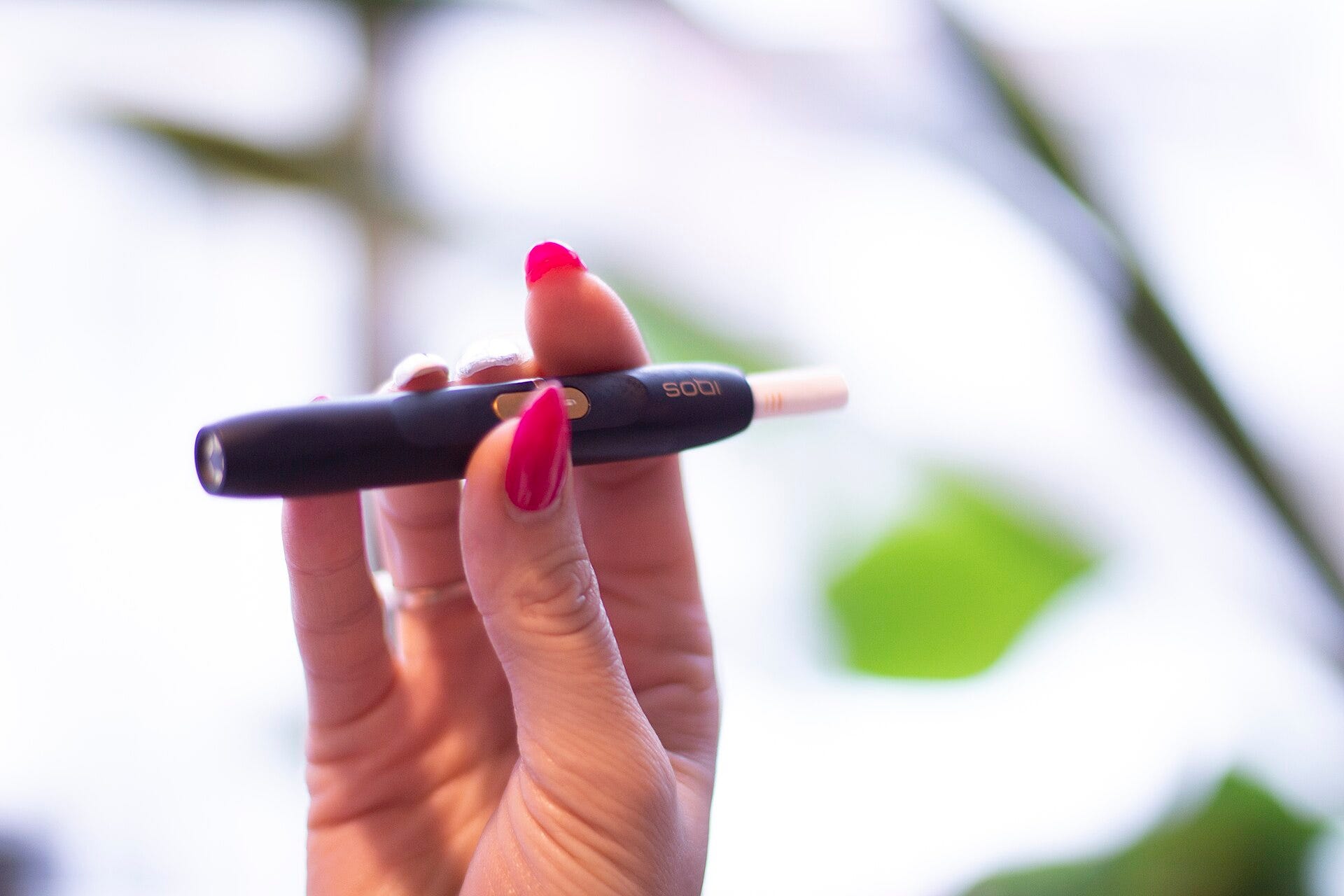
A Dutch anti-smoking group is bringing new criminal charges against tobacco company Philip Morris, saying it misled the public about its heated-tobacco device. This is the latest step in the group’s ongoing campaign against the industry.
Who is bringing the case, and what they allege
The Foundation for Youth Smoking Prevention (Stichting Rookpreventie Jeugd), led by lung doctor Wanda de Kanter and lawyer Bénédicte Ficq, is bringing the charges. The group plans to file the complaint with the Public Prosecution Service (OM) in mid-November. It focuses on Philip Morris’s heated-tobacco system, called IQOS, which heats special tobacco sticks instead of burning them.
Philip Morris says its heated tobacco is less harmful than regular cigarettes. The foundation challenges how this claim is made and used. It says the company uses selective or misleading data to make the product seem less damaging and that its marketing breaks the Dutch ban on advertising nicotine products. The foundation says the marketing is “in reality intended to get as many people addicted as possible,” and Ficq calls the case about “sickening deception.” The complaint targets not just Philip Morris, but also its executives and scientists who support its health claims, according to Ficq.
SPONSORED
You’re overpaying your accountant. And they still don’t call you back.

Neno gives you a dedicated bookkeeper, automated admin, real-time financial insights and a free business bank account. Everything your business needs, in one place.
No chasing. No surprises. No unnecessary costs.
What the science says
Health authorities have become more critical over time. In 2018, the RIVM said that heated tobacco with the IQOS is harmful and addictive, but likely less harmful than regular cigarettes. However, they also warned that lower exposure to some harmful substances does not mean the health risks are reduced in the same way. A more recent study from early 2026 by the RIVM and Maastricht University, which reviewed 74 independent studies, found that heated tobacco is harmful and not a safe alternative to smoking. While some harmful substances are lower than in cigarette smoke, other toxic and cancer-causing substances are higher, including some created by the heating process and the device’s plastic parts. This disagreement is at the center of the legal debate, as it challenges the industry’s claim that heating tobacco is much less harmful than burning it.
A long-running fight
These parties have clashed before. In 2016, Ficq filed criminal charges against Philip Morris and other manufacturers for De Kanter’s group, including an attempted-murder claim over cigarettes that were said to be healthier than they actually were. The prosecution service dropped the case, saying it was not a criminal matter and that regulating the tobacco industry was for politicians. A court later upheld this decision.
Ficq believes this new complaint has a better chance, precisely because it rests on rules thaFicq thinks this new complaint has a better chance because it is based on existing rules: tobacco advertising and misleading consumers are already illegal. “This criminal complaint is intended to avoid always being one step behind events, and instead to intervene while it is still possible,” she said. The complaint is supported by a broad group of health organisations, including the cancer society KWF Kankerbestrijding, the lung foundation Longfonds, the Dutch Heart Foundation, and the Antoni van Leeuwenhoek cancer institute. The prosecution service will now decide whether to take up the case.