


See more of Dutch Brief in your Google search results
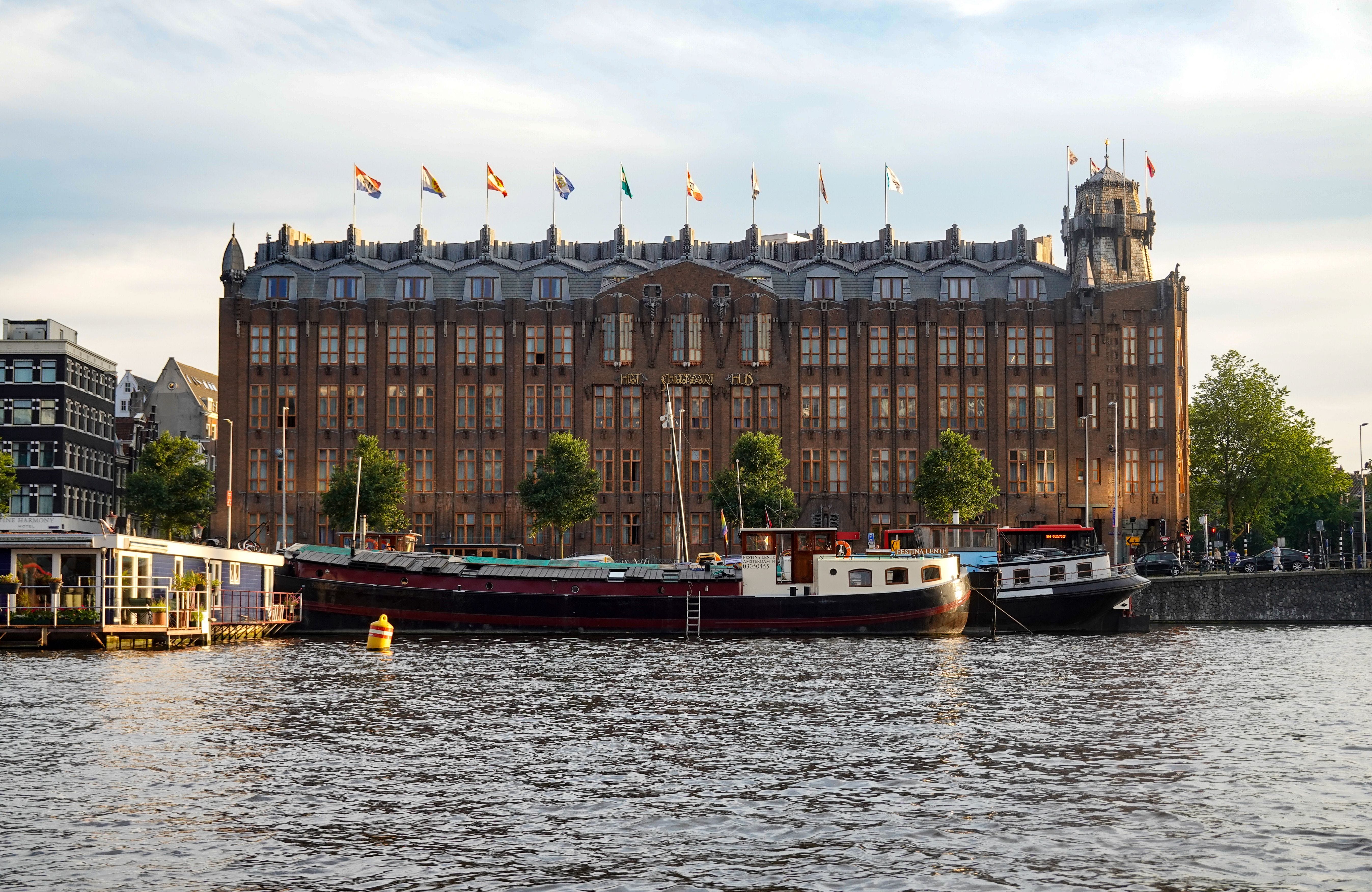
A night’s stay in Amsterdam is set to become considerably more expensive over the next few years. The city’s new governing coalition, of the local Pro party and D66, plans to raise the tourist tax in stages from 12.5 percent today to 20 percent by 2031, a level that would put Amsterdam among the highest-taxed tourist destinations in the world.
Why the city is doing it
The increase is not really about the money, or not only. Amsterdam wants fewer tourists. For years the city has exceeded the maximum it set itself of 20 million overnight stays a year, and the pressure of mass tourism on the historic centre, on housing and on residents’ quality of life has become one of its defining political problems. The council also argues that visitors should “make a fairer contribution to the costs the city incurs” in hosting them.
Raising the price of a hotel room is a direct lever on demand: the more expensive a stay becomes, the reasoning goes, the fewer people will come, or the more they will spread out.
How high the total tax gets
The headline rate is only part of the picture. The tourist tax comes on top of the VAT charged on hotel stays, which rose across the Netherlands this year from 9 to 21 percent. Combine the two, and the total tax on a hotel night in Amsterdam is set to climb from around 21.5 percent last year to roughly 41 percent in 2031, close to a doubling.
Is it really among the highest in the world? By one industry comparison, Amsterdam already has the highest tourist tax in Europe at 12.5 percent, and at 20 percent it would be one of the steepest anywhere. There are a few places that are higher: Los Angeles, for instance, levies around 14 percent, and the kingdom of Bhutan charges foreign visitors a flat “sustainable development fee” of 100 dollars, about 87 euros, per person per night. But such examples are rare, and Amsterdam would sit firmly at the top end. A city spokesperson acknowledged that Amsterdam is “certainly in the higher tariffs”.
SPONSORED
You’re overpaying your accountant. And they still don’t call you back.

Neno gives you a dedicated bookkeeper, automated admin, real-time financial insights and a free business bank account. Everything your business needs, in one place.
No chasing. No surprises. No unnecessary costs.
Amsterdam dominates the national picture
Tourist tax is a local matter in the Netherlands; each municipality sets its own, and around twenty levy none at all. Most charge a fixed sum of a few euros per person per night rather than a percentage. In the national accounts it is a relatively small item, some 654 million euros this year out of 15.3 billion in total local taxes and charges, far less than property tax or waste and sewage levies.
But a striking share of it flows to one city. Amsterdam alone accounts for about 275 million euros, more than 42 percent of the national total, dwarfing The Hague and Rotterdam at under 18 million each.
Hotels warn of the consequences
The hotel sector is unhappy. The industry body Koninklijke Horeca Nederland (KHN) has asked the national government to set a nationwide cap on tourist tax, warning that the combination of higher VAT and rising tourist taxes risks making the Netherlands steadily less competitive as a destination. The Amsterdam council says it is aware of these concerns and is in talks with the sector.
Some hotels say they are already feeling it. The Weesp hotel reported that the mix of higher tourist tax and higher VAT had contributed to a drop in occupancy of around 10 percent, and warned that once booking-platform commissions are added, taxes and fees already make up almost half the price of many bookings, a share that would rise above half if the tax goes up further. The risk, it argued, is that visitors simply choose neighbouring municipalities with lower rates, such as Amstelveen, where the tax is 4.75 euros per person per night.
The neighbours are not following
Those surrounding towns, notably, are not rushing to copy Amsterdam. Amstelveen said it saw no overtourism and would be happy to welcome visitors who choose to stay there instead, adding that it did not favour raising its own tax. Zaanstad, to the north, said it would not follow Amsterdam’s line because it wanted to remain accessible to a broad range of visitors. For the wider region, in other words, Amsterdam’s attempt to price out some of its tourists may prove to be its neighbours’ opportunity.