


See more of Dutch Brief in your Google search results
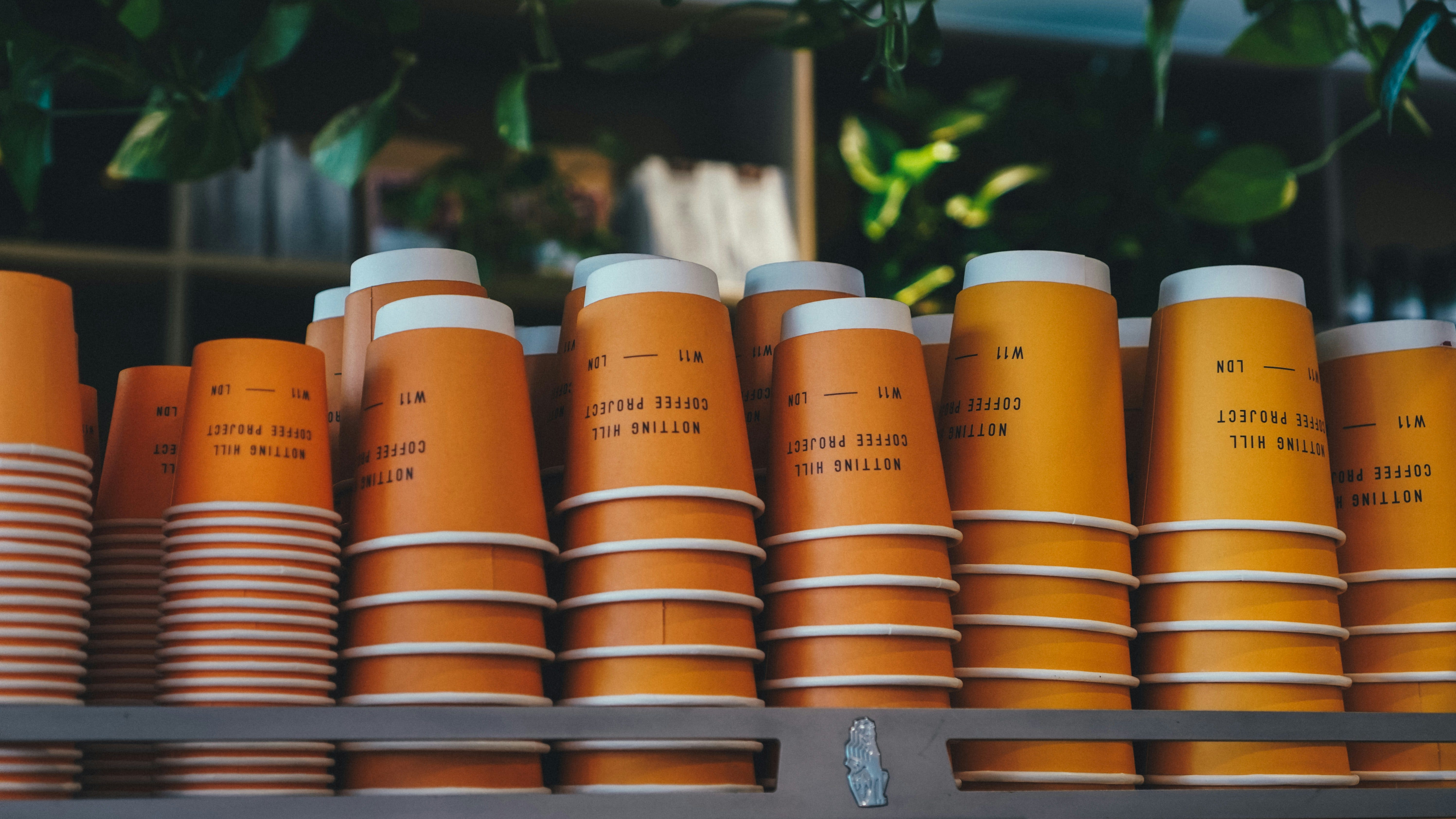
Amsterdam is considering a ban on single-use packaging, such as coffee cups and fast-food containers, to tackle its ongoing litter problem. Right now, the city is only exploring the idea, but officials say a ban is a “realistic option.”
Why the city is considering it
The main focus is street litter (zwerfafval). The city says that 30 percent of the rubbish on Amsterdam’s streets comes from single-use packaging like coffee cups, fast-food boxes, and other disposable plastics. These items often pile up near bins and on sidewalks, especially in busy areas with lots of visitors.
Lian Heinhuis, the alderman in charge of waste and cleaning, says this is about changing culture. “Litter is a persistent problem; it is a symptom of a throwaway society that pollutes our beautiful city and costs millions every year,” she said. “Yet the solution is within reach: putting an end to the throwaway culture.” The city also notes that plastics in these items can take hundreds of years to break down and pollute soil and groundwater, even though they are used for only about seven minutes on average.
This step comes after the city admitted that current efforts are not enough. More frequent street cleaning and requiring businesses to clean up litter near their premises have not led to a lasting improvement.
SPONSORED
You’re overpaying your accountant. And they still don’t call you back.

Neno gives you a dedicated bookkeeper, automated admin, real-time financial insights and a free business bank account. Everything your business needs, in one place.
No chasing. No surprises. No unnecessary costs.
A ban would be a last resort
Importantly, this is not an immediate ban. Amsterdam asked the legal platform CircuLaw to check if a local ban on single-use packaging would be legal. They found it could be possible, but only as a last resort, after trying less strict measures first. It would also require a reliable supply of reusable “to-go” packaging and a good system for people to return them.
In short, the city cannot just impose a ban. It would first need to set up the right infrastructure to make reuse possible. One idea is a city-wide deposit-return (statiegeld) system for reusable cups and containers.
Learning from other cities
Amsterdam is looking to other countries for ideas. Heinhuis mentioned two popular European cities that have already taken steps: Lisbon, which has banned single-use packaging, and Copenhagen, where a trial for returning reusable takeaway packaging started in October 2025. “It is also about having the nerve to do this as a city,” she said.
What happens next
The details of what would be banned, how, and when, are still undecided. “The legal research is really the first step,” Heinhuis said. In the coming months, the city plans to talk with business owners, residents, and experts to develop concrete options, with plans expected next year. For now, nothing changes for people in Amsterdam or visitors getting coffee or takeaway, but the city’s goal is clear: Amsterdam wants reuse to become the standard instead of single-use.