


See more of Dutch Brief in your Google search results
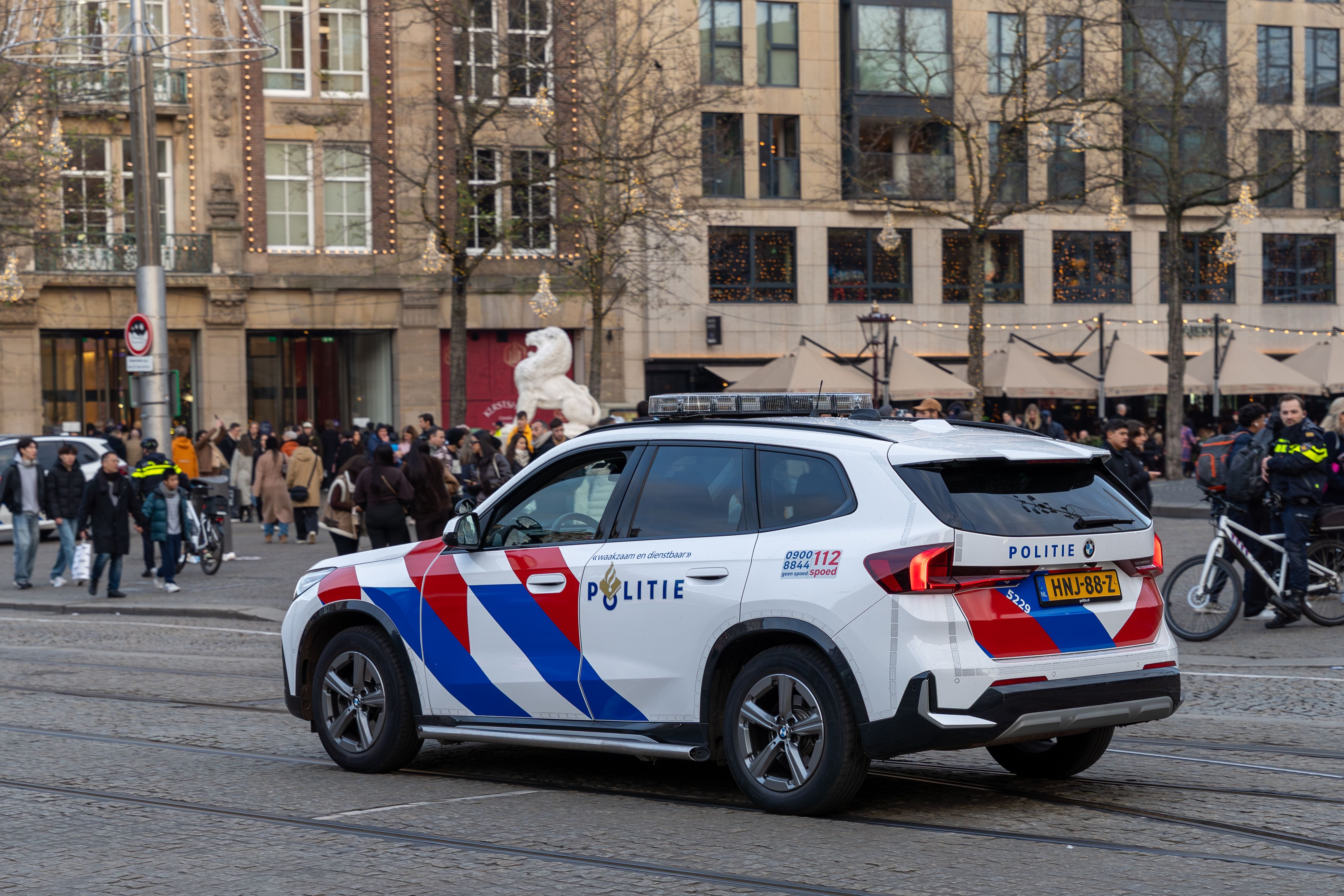
Amsterdam is bringing in stop-and-search powers in part of the Zuidoost district, after a run of gun-related violence that has alarmed the city, in particular because so many of those caught up in it are young.
What has been decided
The city has designated three areas in Amsterdam-Zuidoost as a “security risk area” (in Dutch, a veiligheidsrisicogebied). The designation covers the H-buurt, the K-buurt and the Nelson Mandela Park that lies between them, and runs for one week, from Thursday 20 August until 27 August. From noon on Thursday, police in these areas will be allowed to carry out preventive searches, meaning they can stop and search people for weapons without needing a specific suspicion against the individual.
The decision was taken by what is known in the Netherlands as the “triangle”, the standing consultation between the mayor, the police and the public prosecutor that governs local public order and safety. Mayor Femke Halsema announced it on Monday. Other security measures will also be in force in the designated areas during the week.
Why now
The trigger is a sharp rise in firearm-related violence. According to police figures reported by Het Parool, the area has seen an “above-average” number of firearm incidents, with 18 recorded between 1 June and 4 August. These ranged from threats made with a gun to actual shootings in which people were injured, and they have had a heavy impact on how safe residents feel in the neighbourhood.
The city’s gravest concern is the age of those involved. A significant proportion of the victims are children, the municipality said, and it is deeply worried that those mixed up in the incidents, on both sides, are frequently minors. The stated aim of the measure is to “prevent confrontations and incidents and for the safety of those present and locals”.
SPONSORED
You’re overpaying your accountant. And they still don’t call you back.

Neno gives you a dedicated bookkeeper, automated admin, real-time financial insights and a free business bank account. Everything your business needs, in one place.
No chasing. No surprises. No unnecessary costs.
More than searches
The authorities have framed the stop-and-search powers as only one part of the response. The city says it will also address the risks of carrying a weapon in other ways, reaching out to schools, youth-care professionals and neighbourhood organisations to talk to young people directly about it. The intention is to combine short-term enforcement with longer-term work aimed at stopping young people from carrying guns in the first place.
A contested tool, and what it means locally
Preventive searching is a measure Dutch cities can deploy in designated areas for limited periods, and it is used from time to time in Amsterdam and elsewhere when firearm violence flares. It is also a debated one. Supporters see it as a necessary way to get weapons off the streets quickly and reassure frightened residents, while critics have raised concerns over the years about its effectiveness and about the risk of some groups, particularly young men from certain neighbourhoods, being stopped disproportionately. The city presents this designation as a targeted, time-limited response to a specific spike in violence rather than a permanent fixture.
For anyone in the H-buurt, the K-buurt or around the Nelson Mandela Park over the coming week, the practical effect is straightforward: police may stop and search people and belongings for weapons in these areas until 27 August, whether or not there is any particular suspicion about the person concerned. The measure is due to lapse at the end of the week, though such designations can be extended if the authorities judge that the concerns have not eased.