


See more of Dutch Brief in your Google search results
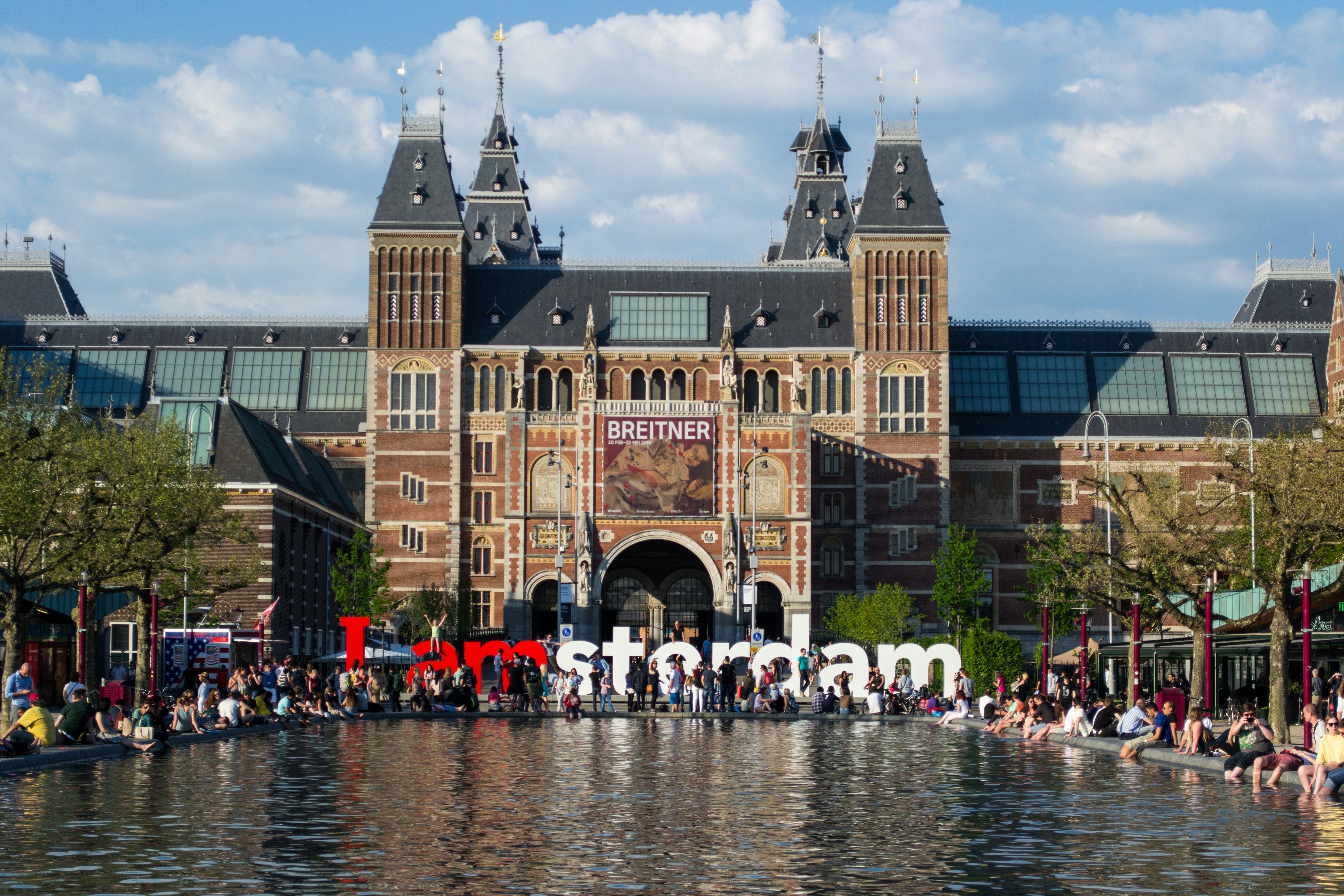
Amsterdam is already one of the world’s most expensive cities for overnight stays, and it’s about to get pricier. On Thursday, the city council approved the 2027 budget, which includes a significant increase in the tourist tax, despite strong protests from hotels, restaurants, and cultural institutions.
What was decided
As part of the 2027 budget, the city will raise the tourist tax (toeristenbelasting) on overnight stays from 12.5 percent to 16 percent starting in January 2027. The measure passed because the governing coalition of the left-wing PRO and centrist D66, led by Mayor Femke Halsema, supported the plan and hold a majority on the council.
This is just the beginning. The coalition plans to increase the tax by one percentage point each year until it reaches 20 percent by the end of its term. The city estimates the increase will bring in about 60 million euros next year and around 75 million by 2030. Any further rise beyond 16 percent is not final and will depend on future decisions.
The overall tax burden is already high. Amsterdam’s tourist tax was steep compared to other European cities, and a separate VAT increase on accommodation (from 9 to 21 percent) earlier this year pushed the total tax on an overnight stay to about 33.5 percent.
SPONSORED
You’re overpaying your accountant. And they still don’t call you back.

Neno gives you a dedicated bookkeeper, automated admin, real-time financial insights and a free business bank account. Everything your business needs, in one place.
No chasing. No surprises. No unnecessary costs.
Curbing over-tourism
The coalition’s main goal is to manage the large number of visitors. Even with the current tax, Amsterdam saw a record 21 million tourists last year, which overwhelmed residents in the busiest neighbourhoods. Halsema said curbing over-tourism is essential. Alderman Melanie van der Horst said the extra revenue is needed for practical issues like waste collection, and that it’s fair for tourists to help pay for services like rubbish removal. She also cited city research showing the tax will reduce visitor numbers without hurting city finances. The city also presents the tourist tax as a way to avoid raising taxes for Amsterdam residents, such as property tax (OZB) and the waste levy.
The objections
The decision moved forward despite strong criticism. In an open letter, 47 industry leaders, including hospitality entrepreneur Won Yip and outgoing Corendon chief Gunay Uslu, warned that higher prices would push visitors to stay overnight outside Amsterdam but still visit the city during the day, spending less money there. They argued this could seriously harm cultural venues, events, and hospitality businesses, many of which have struggled since the pandemic.
The cultural sector had a specific concern: higher accommodation costs make it harder to attract international artists and speakers. The Holland Festival, for example, said about 90 percent of its invited creators come from abroad, so higher VAT and tourist taxes directly affect its artistic budget, forcing them to either cut programming or raise ticket prices.
Right-wing opposition parties also objected. The VVD said the coalition had not properly considered the negative effects of the increase. VVD councillor Myron von Gerhardt argued the higher tax would drive away the tourists the city wants, while not deterring disruptive visitors “who bother residents and make a lot of noise.” He even suggested it could lead to more low-spending “hang-around tourists.” He questioned whether the real goal was fewer visitors or just more revenue. Along with the CDA and JA21, the VVD proposed a fixed charge of 14.50 euros per person per night, which they said would target the most financially able and least disruptive visitors, like business travellers. That proposal and other opposition efforts were voted down, so the 16 percent rate remains.
What it means
For visitors, this means hotel or short-stay bookings in Amsterdam will cost more starting in January. In the ongoing debate about mass tourism in the city, this vote is another move in the city’s strategy to use higher prices to reduce crowds. Critics argue this will mostly change where tourists stay, not whether they visit.