


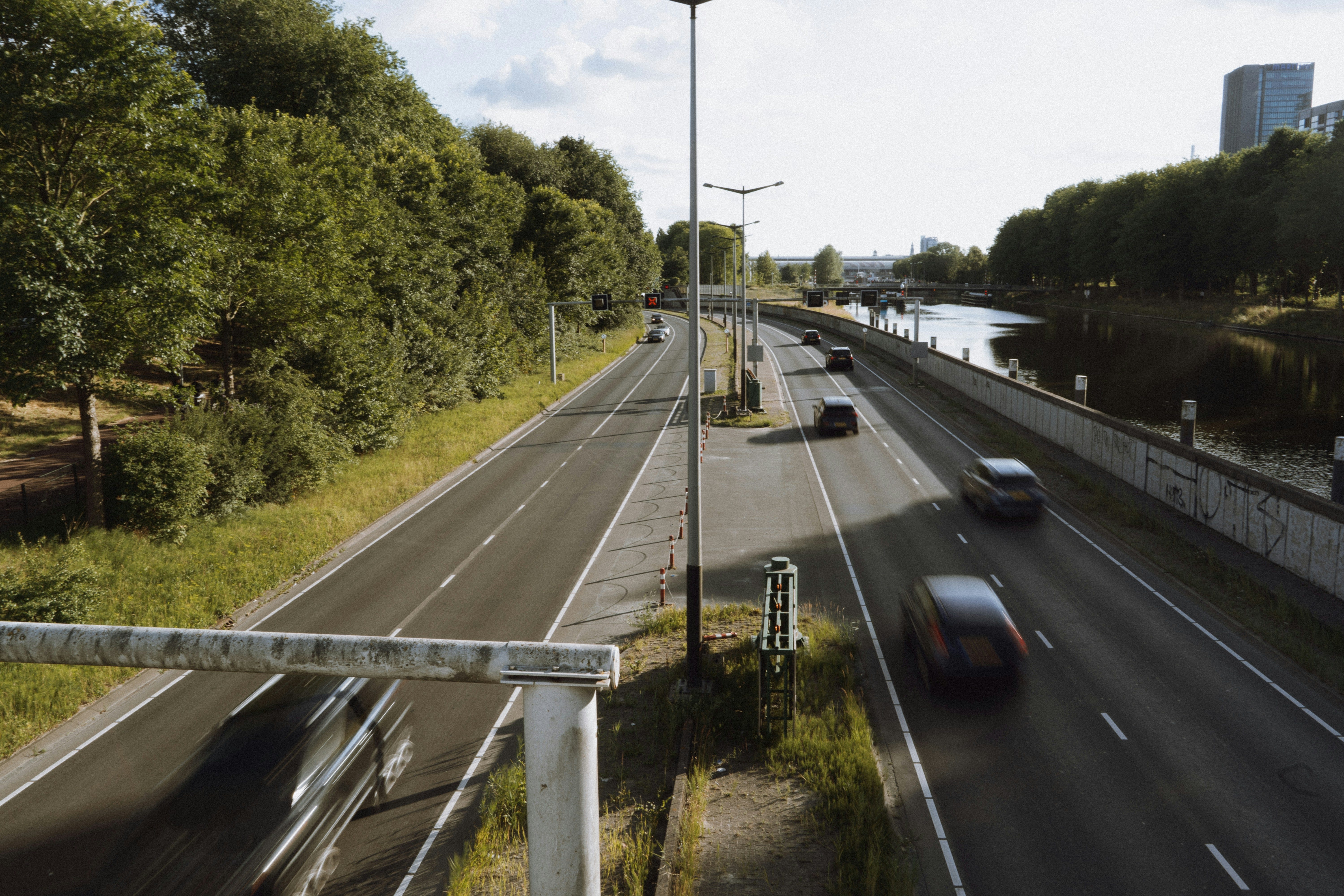
Traffic fines in the Netherlands, already among the highest in Europe, will rise again next year, the cabinet has confirmed. The government wants the fines to keep pace with inflation, lifting them by about 2.7 percent in 2027. Insiders confirmed the plan, first reported by De Telegraaf, to the NOS.
Rentals in the Netherlands

Signaal tracks the Dutch rental market and notifies you the moment something matches your search. Be first to apply.
What it means in practice
The change applies across the spectrum of common offences. A fine for running a red light, for example, will rise from €320 to €328, around €8 more. Other fines will move up by roughly the same percentage.
Last year, traffic fines brought in roughly €1 billion for the Dutch state. The inflation correction will add tens of millions of euros to that figure.
A return to annual indexation
For the past two years, the cabinet held back from indexing traffic fines, after a string of increases that drew sharp criticism. In 2024, fines were raised 10 percent in one go: 5.7 percent of that was a regular inflation adjustment, while the remaining 4.3 percent was added to plug a hole in the Ministry of Justice and Security’s budget. The Council of State criticised that move, saying budget shortfalls are not a legitimate reason to raise traffic fines, which are meant to promote road safety and should match the seriousness of the offence.
Mounting criticism
Many drivers grumble about the size of Dutch traffic fines, and they are not alone. The Public Prosecution Service (OM) and the Council for the Judiciary (Raad voor de Rechtspraak) have both raised concerns. According to the OM, the amounts are no longer proportional to fines for far more serious offences such as theft or assault. In 2023, the OM’s own report “Boetestelsels in balans” concluded that the relationship between the size of traffic fines and the seriousness of the offence had come under pressure, and the OM suggested lowering fines for common offences such as small speeding violations or holding a phone while driving by 30 percent. The cabinet declined to follow that advice.
The Council for the Judiciary has separately warned that citizens can end up in serious financial trouble because of the way fines escalate. After two reminders, an unpaid fine doubles, meaning a single ticket can quickly become an unpayable bill.
A long-running climb
Since 1999, fines for light offences in the Netherlands have risen by around 150 percent, while those for heavier offences have gone up by about 76 percent. That has produced striking comparisons: a fine for parking in a disabled spot now stands at €490, while a first-time fine for light assault is around €400.
For drivers in the Netherlands, the practical message for 2027 is straightforward: the price of an everyday mistake at the wheel, already one of the steepest in Europe, is set to rise once again.