


See more of Dutch Brief in your Google search results
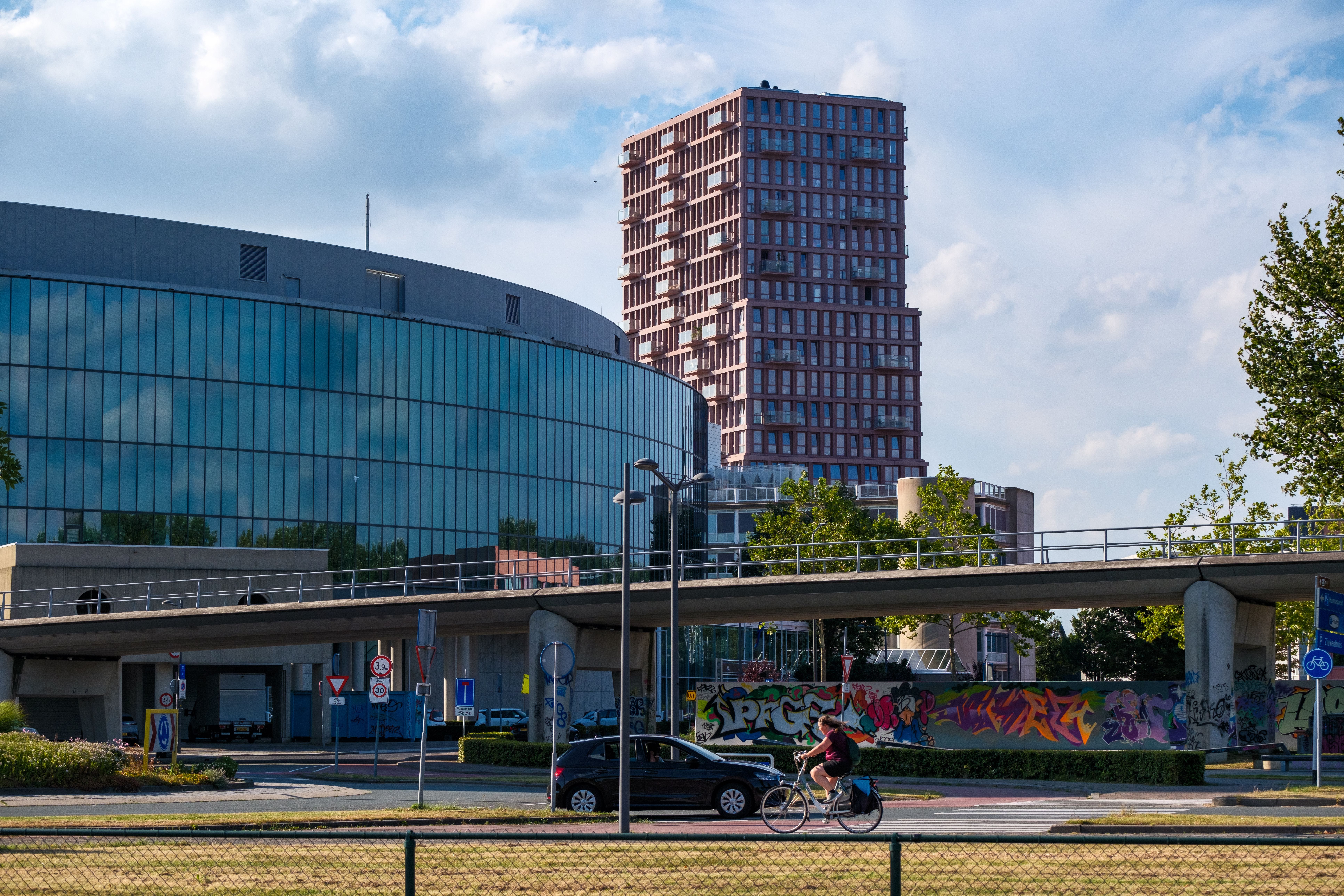
The city of Almere is set to become one of the first municipalities in the Netherlands to introduce a tax on homes that are left standing empty, in an effort to bring unused housing back into use during a severe national shortage.
How the tax works
From 1 January 2027, Almere will levy a new local tax on long-term vacant homes. Any owner whose property has been empty for a year or longer on that date will have to pay 2,000 euros a year, according to reporting by RTL Nieuws. Unlike a one-off fine, it is a recurring annual charge that continues for as long as the home sits unused.
Almere estimates that it has around 400 homes that have been vacant over the long term. “We are building plenty of new homes, but we must also make full use of existing homes,” said the responsible alderman, Paul Tang, who holds the housing portfolio. “The fact that 400 homes are standing empty during a time of housing shortage is sufficient reason to take action. Every home counts.”
Part of a national push
The move is possible because of a change at national level. Earlier this year, the housing minister, Elanor Boekholt-O’Sullivan, gave municipalities the power to impose a vacancy tax, in the hope of ensuring that all available housing in the Netherlands is actually used for living in.
The scale of the underlying issue is significant. A study by the national statistics office CBS found that around 200,000 homes in the Netherlands are vacant, including some 64,000 that have stood empty for more than a year. In a country where finding an affordable place to live has become one of the defining social problems, empty homes are an obvious and politically attractive target.
SPONSORED
You’re overpaying your accountant. And they still don’t call you back.

Neno gives you a dedicated bookkeeper, automated admin, real-time financial insights and a free business bank account. Everything your business needs, in one place.
No chasing. No surprises. No unnecessary costs.
The investors’ objections
Not everyone is convinced the tax is well aimed. Vastgoed Belang, the association that represents property investors in the Netherlands, has criticised it. Its director, Edward Touw, argued that a vacancy tax rests on the assumption that owners deliberately leave properties empty to profit from rising values, when in reality they have every reason not to. “No real estate investor wants vacancies, because that costs money,” he told RTL, pointing out that an empty home means missed rental income.
Touw also raised a pointed question about the figures themselves. He wants the national vacancy statistics to be adjusted for energy use, arguing that most homes counted as vacant are in fact consuming energy, which suggests they are actually lived in. According to RTL, CBS figures support this: of the nearly 200,000 homes officially listed as vacant, only around 25,000 are not using any energy. In other words, the true number of genuinely empty homes may be far smaller than the headline figure implies, a caveat worth bearing in mind when judging how much difference a vacancy tax can make.
Why it matters
For a city like Almere, one of the fastest-growing in the country and built in large part to relieve housing pressure elsewhere, the symbolism is clear: with new construction unable to keep pace with demand, authorities are increasingly reluctant to see any usable home sit idle. Whether a 2,000-euro annual tax proves an effective lever, or mainly a statement of intent, will depend partly on how many of those 400 homes are truly empty rather than simply recorded as such, and on whether other municipalities, watching Almere, decide to follow.