


See more of Dutch Brief in your Google search results
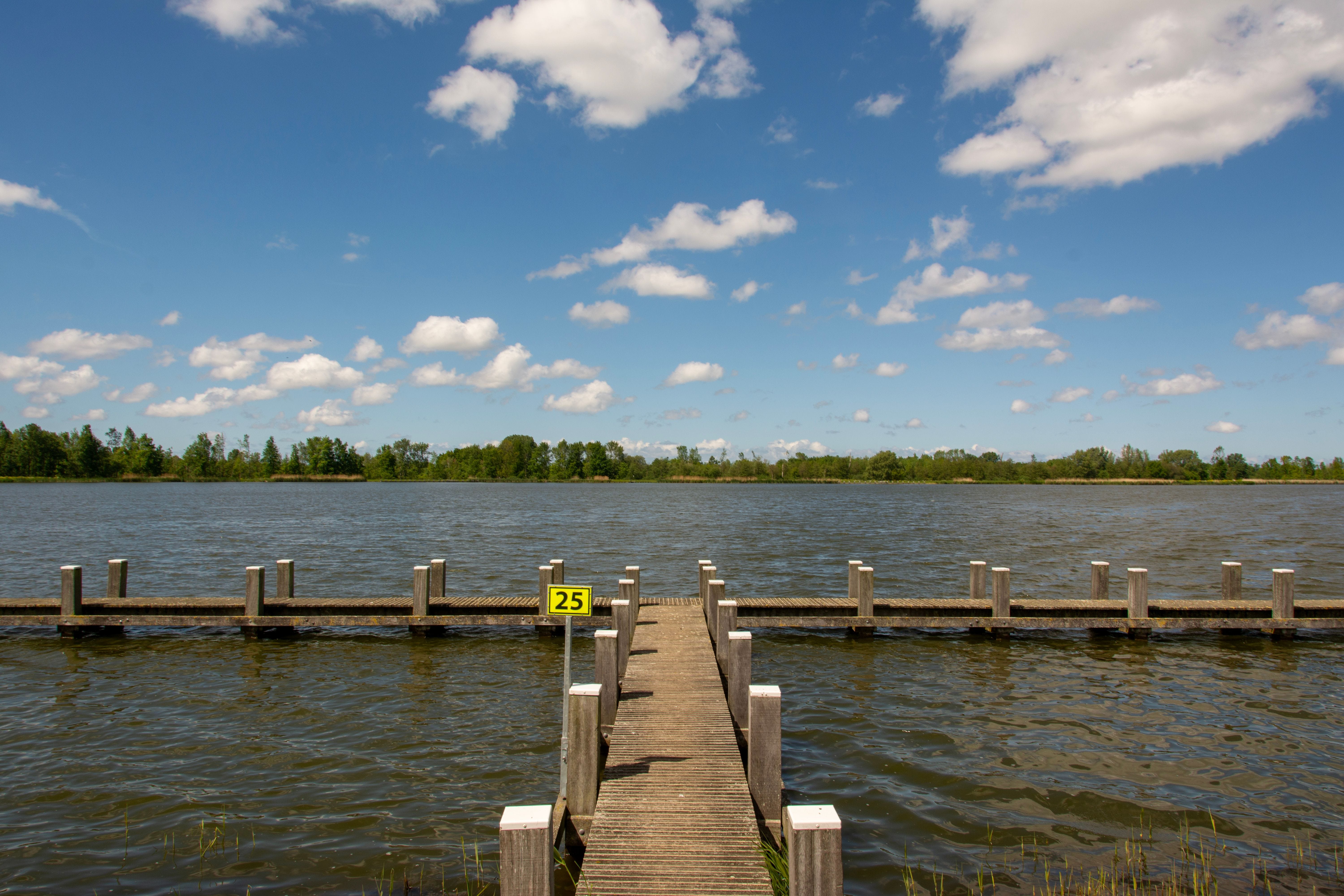
All of the outdoor swimming spots tested in a new study in the Netherlands contain higher levels of chemicals than the law permits, according to research by the environmental organisation Natuur & Milieu. Though this may sound concerning, the researchers emphasise that a swim in a Dutch lake will not make you ill.
What the study found
The organisation examined the water quality at hundreds of locations over the period from 2015 to 2024, covering 205 officially designated swimming sites and 57 popular swimming spots in cities across the country. Of the 122 substances tested for, 35 were found at concentrations above the legal water-quality limits. In 2024, every single one of the swimming waters examined contained too many chemical substances.
That represents a sharp deterioration over the past decade. Ten years ago, 22 percent of the waters still met the chemical water-quality standards; by 2024, none did. Among the substances turning up most often is imidacloprid, an insecticide found in, among other things, flea collars for dogs.
Where the chemicals come from
The pollutants vary from place to place, according to Natuur & Milieu. “In rural areas, pesticides from agriculture are found more often,” said the organisation’s Koenraad Backers. “In cities, traffic and industry play a bigger role.” At the Vinkeveense Plassen lakes, for example, eleven different substances were found above the limit; at the Maarsseveense Plassen, nine; and in the Eemmeer, seven.
Some of the substances are so-called forever chemicals, PFAS, a large family of man-made chemicals used in everything from waterproof clothing and non-stick coatings to firefighting foam. They are called “forever chemicals” because they barely break down in the environment, so even substances banned years ago remain present in the water. PFAS and residues of medicines also reach surface water through wastewater.
The researchers point to several reasons the situation is not improving: pollutants entering the water through wastewater, and permits for industrial discharges that are outdated and not always matched to what the water system can actually cope with. “Somewhere it is going wrong,” Backers said. “We know where it is, but organisationally we are not managing to get it in order.” Cost, he added, also plays a role.
SPONSORED
You’re overpaying your accountant. And they still don’t call you back.

Neno gives you a dedicated bookkeeper, automated admin, real-time financial insights and a free business bank account. Everything your business needs, in one place.
No chasing. No surprises. No unnecessary costs.
The gap in the safety advice
The heart of the organisation’s argument is not that swimming is suddenly dangerous, but that the official system for judging swimming water safety overlooks chemicals entirely. At present, the authorities issue swimming advice, and step in with warnings or bans, based on bacteria and blue-green algae (blauwalg), which can cause more immediate illness. Chemical pollution is not taken into account when that advice is given.
“As a swimmer, you have to be able to trust that officially safe swimming water is also healthy swimming water,” said Rob van Tilburg, programmes director at Natuur & Milieu. “The government only intervenes when there is too much blue-green algae and bacteria, but not for chemical pollution.” That, the group argues, is the gap: a swimming spot can be declared safe while carrying levels of chemicals above the legal norms.
How worried should swimmers be?
This is where perspective matters. The researchers are explicit that swimmers will not develop health problems from a single swim; the report itself stresses that people do not “get health complaints straight after one dive”. The concern is about long-term, structural pollution of the water environment, and the principle that water officially designated as safe to swim in should also be free of excessive chemicals, rather than about any acute danger on a summer afternoon.
Even so, the organisation notes that chemical substances can carry health risks, which is why it believes they should not simply be left out of the picture.
What the group wants
Natuur & Milieu is calling for two main things. First, that chemical substances become a structural part of how swimming water is assessed, so that safety advice reflects them. Second, that the government actively hunt down the sources of the pollution, for example by measuring more specifically around industrial estates or in agricultural areas, and then tackle them, including by bringing outdated discharge permits into line with what the water can bear.
A dip in a Dutch lake is not going to make you sick, but the country has a longer-term water-quality problem that, on this evidence, is getting worse rather than better, and that current safety checks are not designed to catch.