


See more of Dutch Brief in your Google search results
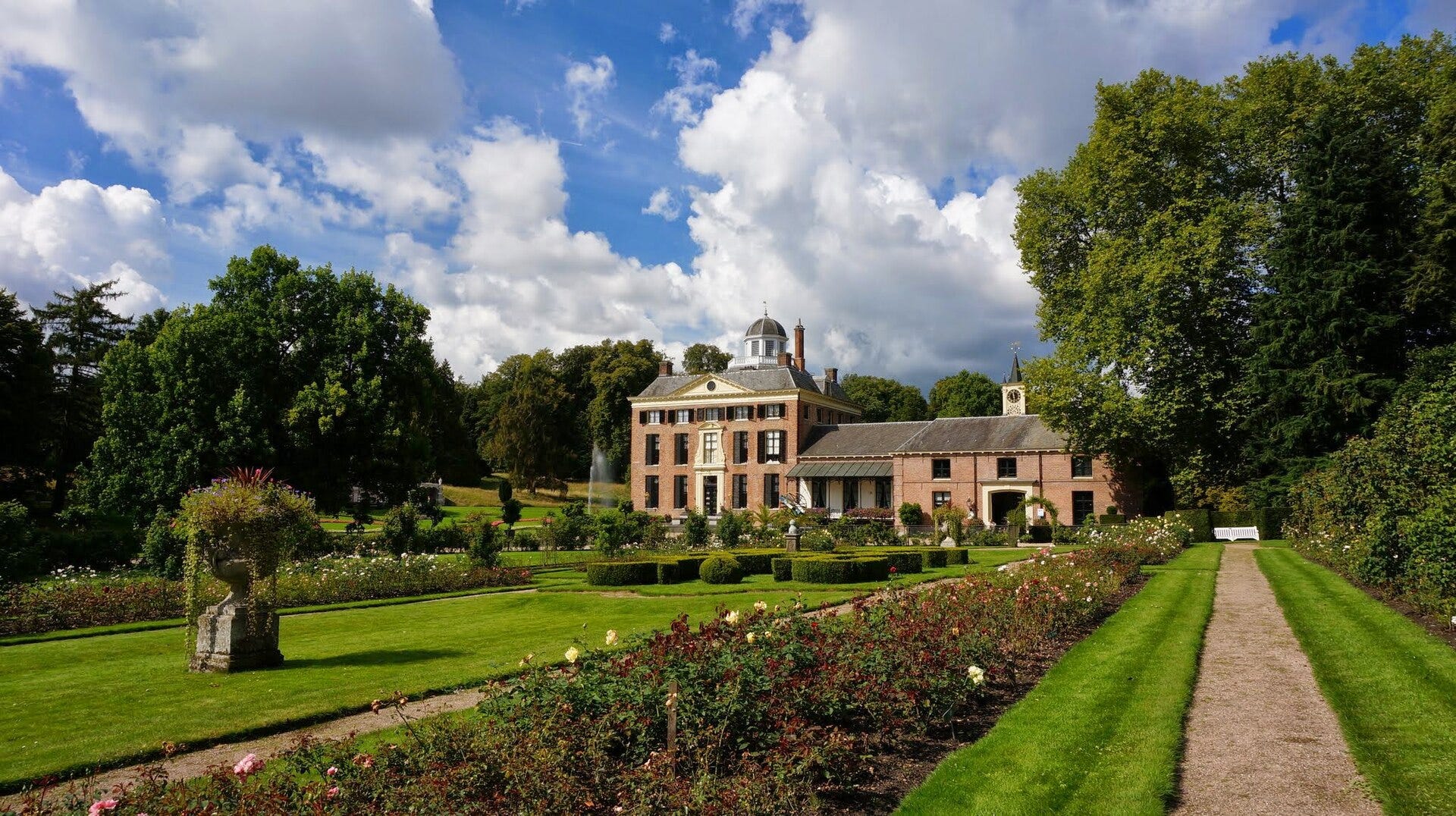
A quiet chapter in Dutch local government is closing. Rozendaal, a small castle village in Gelderland and the smallest municipality on the Dutch mainland, has chosen to give up the independence it has maintained for nearly two centuries.
The vote
On Tuesday evening, the nine-member municipal council voted for the village’s roughly 1,800 residents to merge with the neighbouring municipalities of Rheden and Brummen. This decision ends almost two centuries of self-rule for the village, just north of Arnhem. It was not a happy decision. “I see the sadness among my council members. You simply do not want this, but there is no other option,” said acting mayor Ingrid Timmer.
Why a village this small could no longer go it alone
Despite having fewer than two thousand residents, Rozendaal has kept its own town hall, a mayor, two aldermen, nine councillors, and seventeen civil servants. But the municipal executive says this is no longer sustainable. The village is short on staff, has a heavy workload, and faces rising costs in the “social domain”: the Dutch term for things like welfare, youth care, and support for informal carers, which are now the responsibility of municipalities and have become more expensive and complicated.
The financial outlook was bleak. A study by consultancy Moventem predicted deficits of hundreds of thousands of euros in the next few years, rising to over 600,000 euros by 2036, even with big budget cuts and the highest possible local revenue. Earlier this year, the administration decided that staying independent was not realistic. As Timmer told the council over the summer, it is nice to dream of a special status, but the organisation is very vulnerable. The municipality does not even have its 2025 annual financial statement ready because it does not have enough staff to prepare it.
SPONSORED
You’re overpaying your accountant. And they still don’t call you back.

Neno gives you a dedicated bookkeeper, automated admin, real-time financial insights and a free business bank account. Everything your business needs, in one place.
No chasing. No surprises. No unnecessary costs.
Keeping the village’s character
Rozendaal decided to merge with Rheden and Brummen instead of the much larger city of Arnhem. Brummen and Rheden had already agreed to form a new municipality, and Rozendaal will now ask to join them. The council says this choice will have the least impact on residents: people can keep their current address, the “village character” can stay, and there are benefits for care, since Rheden has already handled social-domain tasks for Rozendaal for years. The council made it clear that the area’s green spaces, unique identity, good public services, and clear representation of the village must be protected in the new municipality.
A quirk of history
It is remarkable that Rozendaal lasted this long, having avoided the many municipal mergers of recent decades. The municipality was founded in 1818 and goes back to the lordship of Rozendael, where the Count of Gelre built Rosendael Castle in the 14th century. For many years, the castle’s noble residents were in charge. When one baron inherited the castle in 1900, the municipal website says he became mayor “more or less automatically”.
Not everyone supported the change. A citizens’ group collected over 450 signatures against the merger, saying that residents should decide at the next elections instead of settling it now. The move is not final yet: the councils of Rheden and Brummen still need to agree in December to let Rozendaal join. If everything goes as planned, the new municipality will start on 1 January 2030, with early council elections in late 2029. One opponent found some hope in the uncertainty, thinking that if the partners back out, the village could end up back where it started.