


See more of Dutch Brief in your Google search results
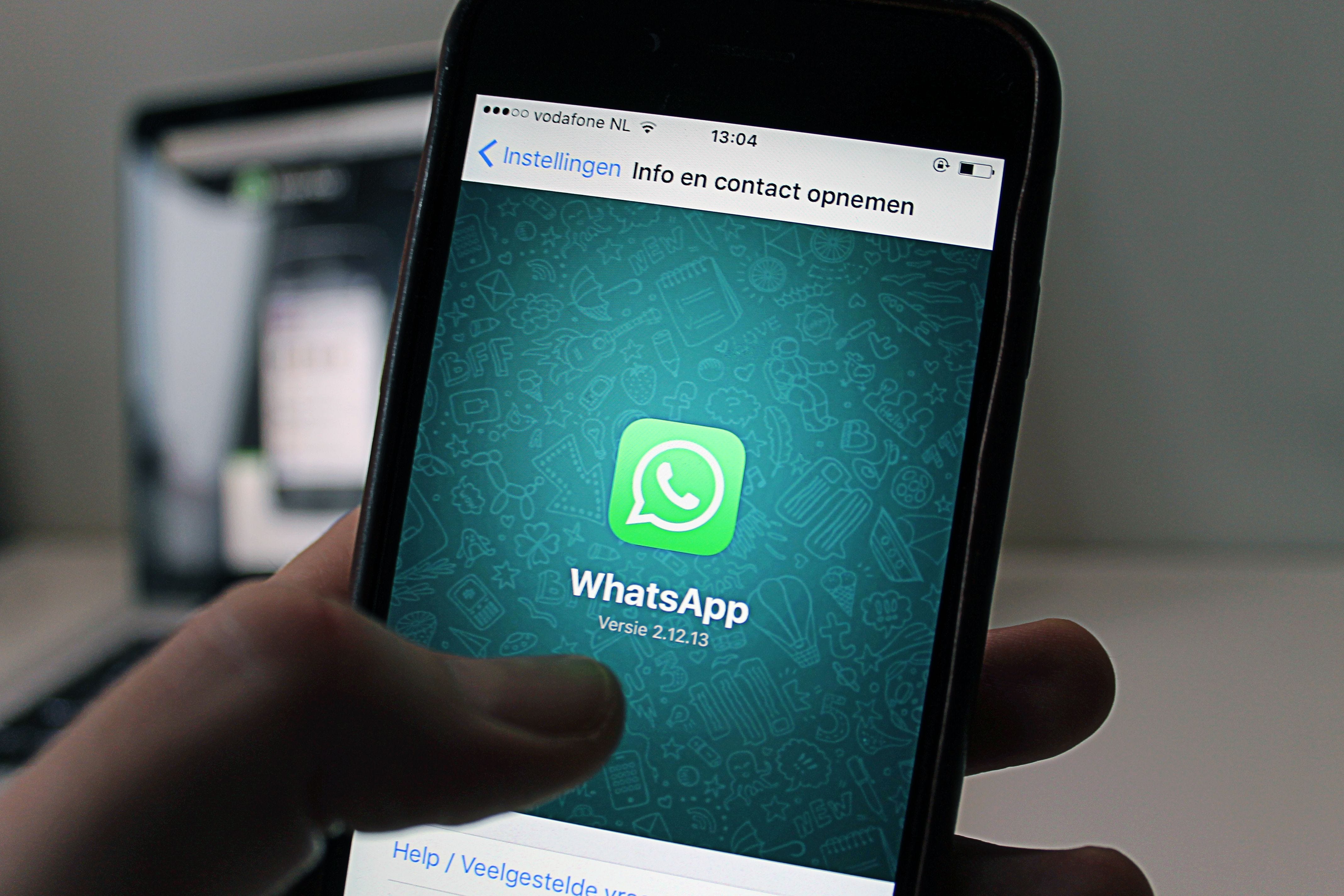
A WhatsApp scam that seems harmless, a request to “vote for” a little girl’s ballet dream, is quickly spreading across the Netherlands and taking over people’s accounts. Authorities and the Fraud Helpdesk are warning everyone not to fall for it.
How the scam works
It starts with a message that looks like it’s from someone you know. It usually says, “Hello, could you vote for Eliška?” and explains, “She is the daughter of a friend of mine. The first prize is a free dance lesson, and it would mean so much to her.” Often, the message adds that the girl only needs five more votes to win.
Since the message comes from a familiar number, it feels trustworthy, and that’s what makes it risky. The link takes you to a website pretending to be an international ballet school in Prague. To vote, the site asks for your mobile phone number and then a verification code.
That’s the trick. When you enter your number, WhatsApp’s linked-devices feature is triggered in the background, and a code appears in your app. If you type that code into the fake website, you connect the scammers’ device to your account. Experts call this “ghost pairing.” From then on, the criminals can read your private chats and send the same ballerina message to all your contacts, which is why it spreads so quickly. Police also warn that hijacked accounts may be used to ask your contacts for money or send more harmful links.
SPONSORED
You’re overpaying your accountant. And they still don’t call you back.

Neno gives you a dedicated bookkeeper, automated admin, real-time financial insights and a free business bank account. Everything your business needs, in one place.
No chasing. No surprises. No unnecessary costs.
It’s spreading and catching people
This scam is not easy to spot. The Fraud Helpdesk (Fraudehelpdesk) has received more reports in recent days, and the government’s Safe Internet (Veilig Internetten) site has issued an urgent warning. German police also warned about a similar scam back in September.
It’s not just careless people who get caught. Even people who are usually good at spotting scams have had their accounts taken over, because the message comes from someone they trust and appeals to their desire to help a child. “It’s so sophisticated every time,” one victim told a consumer programme.
How to protect yourself
Protecting yourself is simple but important. Aad Lensen, the police project leader for digital crime, shares a helpful tip: “Always give yourself three seconds before you click, respond or pay.” In addition:
Don’t click the link, and don’t “vote.” Real competitions will never ask for your WhatsApp verification code.
Never share your WhatsApp verification code with anyone, no matter what. WhatsApp will never ask you to give a code to a website or another person.
Turn on two-step verification in WhatsApp (under Settings, Account). This adds a PIN and makes it much harder for anyone to take over your account.
Be careful even with messages from people you know, especially if they start with a generic “hello” or are forwarded. If you’re unsure, contact the sender in a different way to check.
If your account has already been taken over, you can usually get it back by re-registering your number with the SMS code WhatsApp sends you. This will log out all linked devices. After that, set up two-step verification. Victims should also report the scam to the police and the Fraud Helpdesk.