


See more of Dutch Brief in your Google search results
It was a tense week for European aviation, with waves of false bomb threats disrupting flights across the continent. If you are flying to or from the Netherlands, you might wonder how serious the situation is, what happens to affected passengers, and who is responsible.
What happened
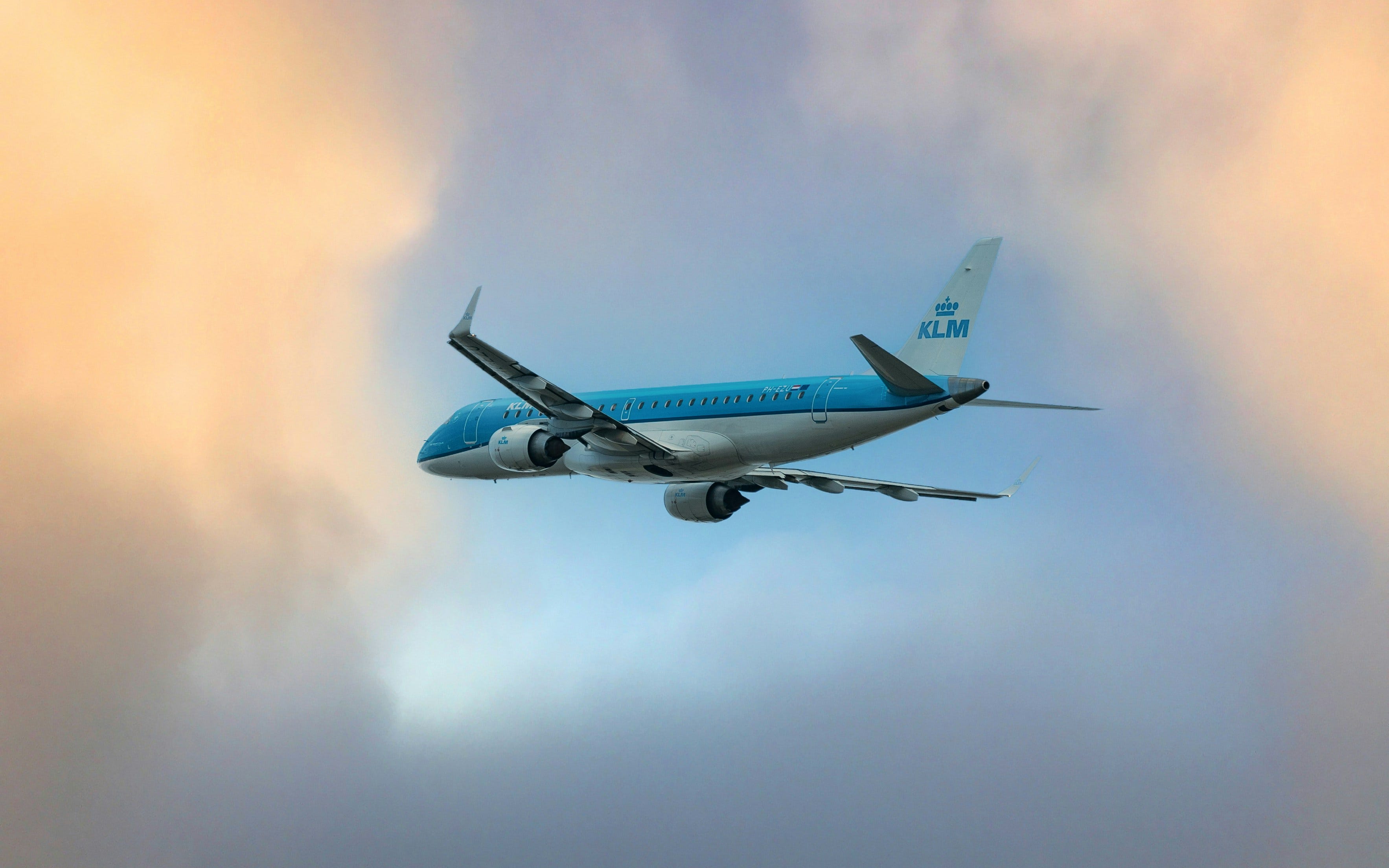
According to broadcaster NOS, European air traffic faced three separate waves of bomb threats this week, affecting at least ten planes. Two KLM flights were among them: one from Prague to Amsterdam, which landed safely at Schiphol and was searched by the Royal Netherlands Marechaussee, and another that left Amsterdam for Tel Aviv, which got a threat just before a planned stop in Bucharest.
Importantly, no explosives have been found in any of these incidents, and no one has been hurt. The threats seem mainly intended to disrupt civil aviation and spread fear. Overall, the impact was small: Eurocontrol said fourteen flights received threats on Thursday, out of more than 26,000 flights in European airspace that day. Still, in some cases, fighter jets escorted the affected planes.
What it means for passengers
For travellers on a targeted plane, a threat can mean hours of delay while the aircraft is diverted or searched before anyone can get off. Even so, passengers usually do not get extra financial compensation. This is because a bomb threat is treated as a terrorist threat and as “overmacht” (force majeure, or circumstances beyond the airline’s control), so the airline does not have to pay out as it would for a normal cancellation.
However, airlines still have a “duty of care” under European rules. Passengers affected by delays are entitled to reasonable food and drinks during the wait, and, if needed, an overnight stay and alternative transport. If their flight is cancelled, they should get a replacement flight, and if the airline cannot provide one, compensation may apply. For example, the KLM flight stranded in Bucharest could not continue because of a separate technical fault, so those passengers could claim compensation.
SPONSORED
You’re overpaying your accountant. And they still don’t call you back.

Neno gives you a dedicated bookkeeper, automated admin, real-time financial insights and a free business bank account. Everything your business needs, in one place.
No chasing. No surprises. No unnecessary costs.
What it costs airlines
These hoaxes are costly for airlines. “On a continental flight with a Boeing 737 or Airbus 320, you have around 180 passengers,” said aviation analyst Paul Vaneker from Flightright. He explained that caring for all passengers, plus the costs of an unplanned landing like extra fuel, airport fees, and handling, can add up to tens of thousands of euros. Aviation expert Joris Melkert said the damage is still manageable compared to airlines’ total revenue, but these costs could eventually be passed on to passengers through ticket prices.
Who is behind it?
Who is behind these threats is still unknown, so caution is needed. No one has been identified or claimed responsibility. After bomb threats were also emailed to Irish newsrooms, Ireland’s government said it seemed to be a coordinated campaign to cause disruption. Security experts in Dutch and Belgian media have suggested several possibilities, from individuals or copycats to a more organised “hybrid” operation. Some, like aviation-security analyst Eric Schouten, have mentioned possible Russian involvement, but they say this is not proven. AFP also reported that some threat emails were signed by a radical group, but the agency could not confirm any connection.
Bart van den Berg, a security and defence expert at the Clingendael Institute, said the main effect of these threats is psychological, not financial. He explained that such hoaxes make the public uneasy and create a sense of insecurity. They also leave airlines with the tough job of deciding, among many false alarms, which threat could one day be real.