


See more of Dutch Brief in your Google search results
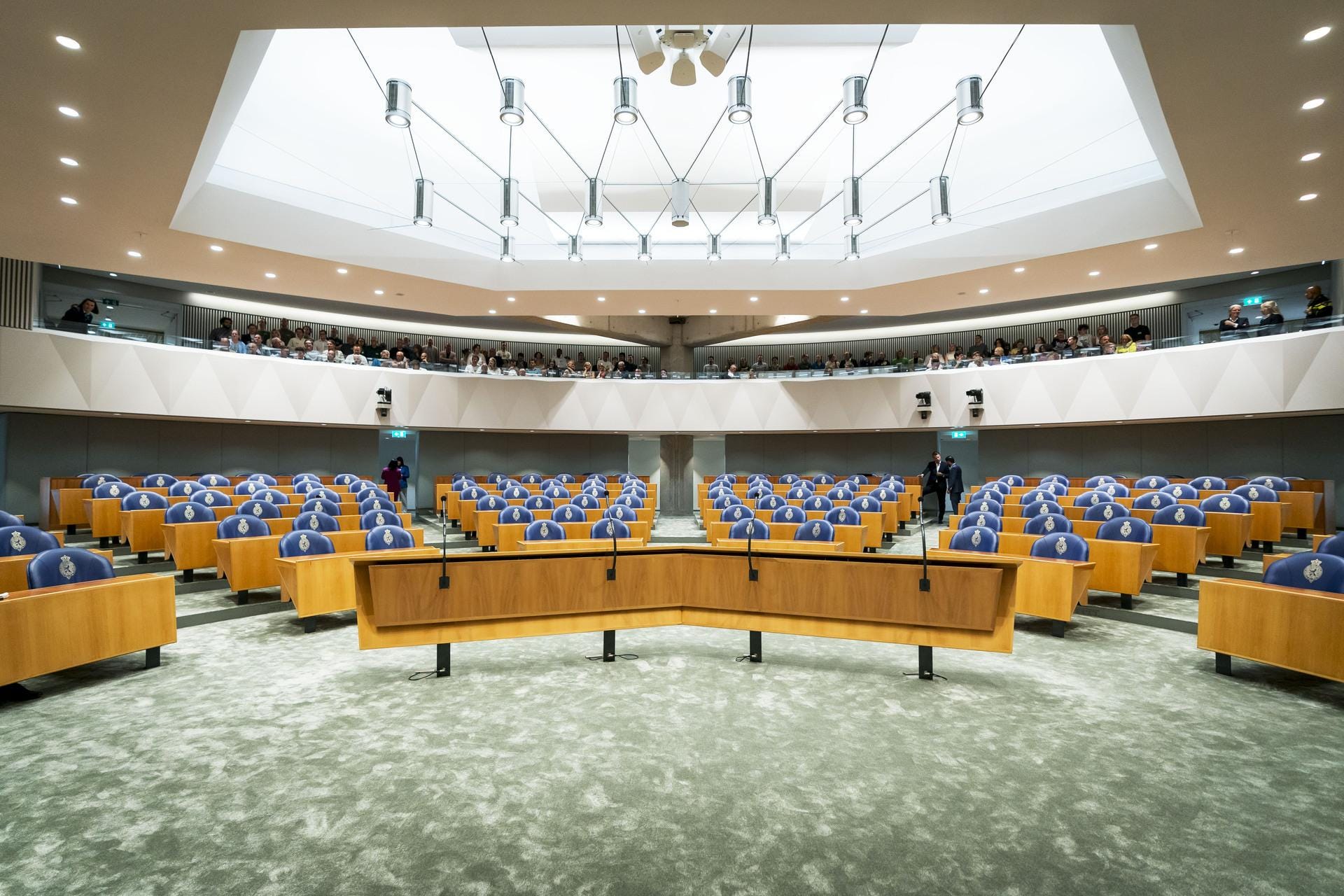
The Dutch government has presented its budget for 2027 on Prinsjesdag, setting out its spending plans across housing, healthcare, defence and more. One caveat hangs over all of it: the minority coalition of D66, the VVD and the CDA holds no majority in either the House of Representatives or the Senate, so there is no guarantee any of these plans will actually pass. They will need support from opposition parties, which remain divided.
Purchasing power
The spending power of Dutch households will fall slightly next year, by 0.1 percent on average. The picture varies by group: low incomes gain a little (0.2 percent) and pensioners do best (0.3 percent), while middle incomes (-0.1 percent) and higher incomes (-0.2 percent) lose ground. Higher taxes are the main cause, though the cabinet freed up extra money in late August to soften the drop.
Healthcare
The compulsory healthcare deductible (eigen risico), the amount people pay themselves before insurance covers costs, rises with inflation to 400 euros. The monthly premium is expected to climb by 12.50 euros, to around 169 euros on average. Health spending remains one of the government’s largest outlays at 118 billion euros. Extra money goes to prevention, including free school fruit and a wider shingles vaccination programme.
Benefits softened
Two contested cuts have been eased. The plan to tie the state pension (AOW) age directly to life expectancy, which would have saved 2.7 billion a year but drew heavy union criticism, is definitively off the table. And the planned halving of the maximum unemployment benefit (WW) period, from 24 to 12 months, is postponed by a year, to 2029.
Housing
The cabinet has set out how it will spend the 7 billion euros for affordable homes through to 2035, as agreed in the coalition deal. Around 2.3 billion goes to a scheme paying municipalities 7,000 euros per affordable home built, with further hundreds of millions for elderly, mid-market rental and student housing. Housing corporations are to gain 425 million euros a year from 2028.
SPONSORED
You’re overpaying your accountant. And they still don’t call you back.
Neno gives you a dedicated bookkeeper, automated admin, real-time financial insights and a free business bank account. Everything your business needs, in one place.
No chasing. No surprises. No unnecessary costs.
Defence
Defence spending rises to 28.9 billion euros, up from just over 21 billion two years ago, on the way to the NATO target of 3.5 percent of GDP by 2035. New and modernised equipment arrives next year, and the budget also funds 3 billion a year in military aid to Ukraine.
Education
The education ministry can invest 668 million euros more, including over half a billion specifically to improve reading, language and maths, which schools will be required to spend on those basic skills, a direct response to the recent slide in pupils’ reading.
Elsewhere
Other measures include 5.1 billion extra for infrastructure through 2040 (though the ministry warns of tens of billions in maintenance shortfalls), 231 million in 2027 for policing and safety, a 3.3 billion euro investment body for innovation, 1.3 billion for storing CO2 in empty North Sea gas fields, and continued subsidies for home insulation and heat pumps. The fuel-duty discount is extended by a year, and the government aims to cut costs by scrapping and simplifying regulations.
What happens next
Because the coalition lacks a majority, the budget now faces weeks of debate in which it must win over opposition parties. With Pro on the left and JA21 and the SGP on the right all holding out and pulling in different directions, the government’s central challenge is unchanged: finding the votes.