


See more of Dutch Brief in your Google search results
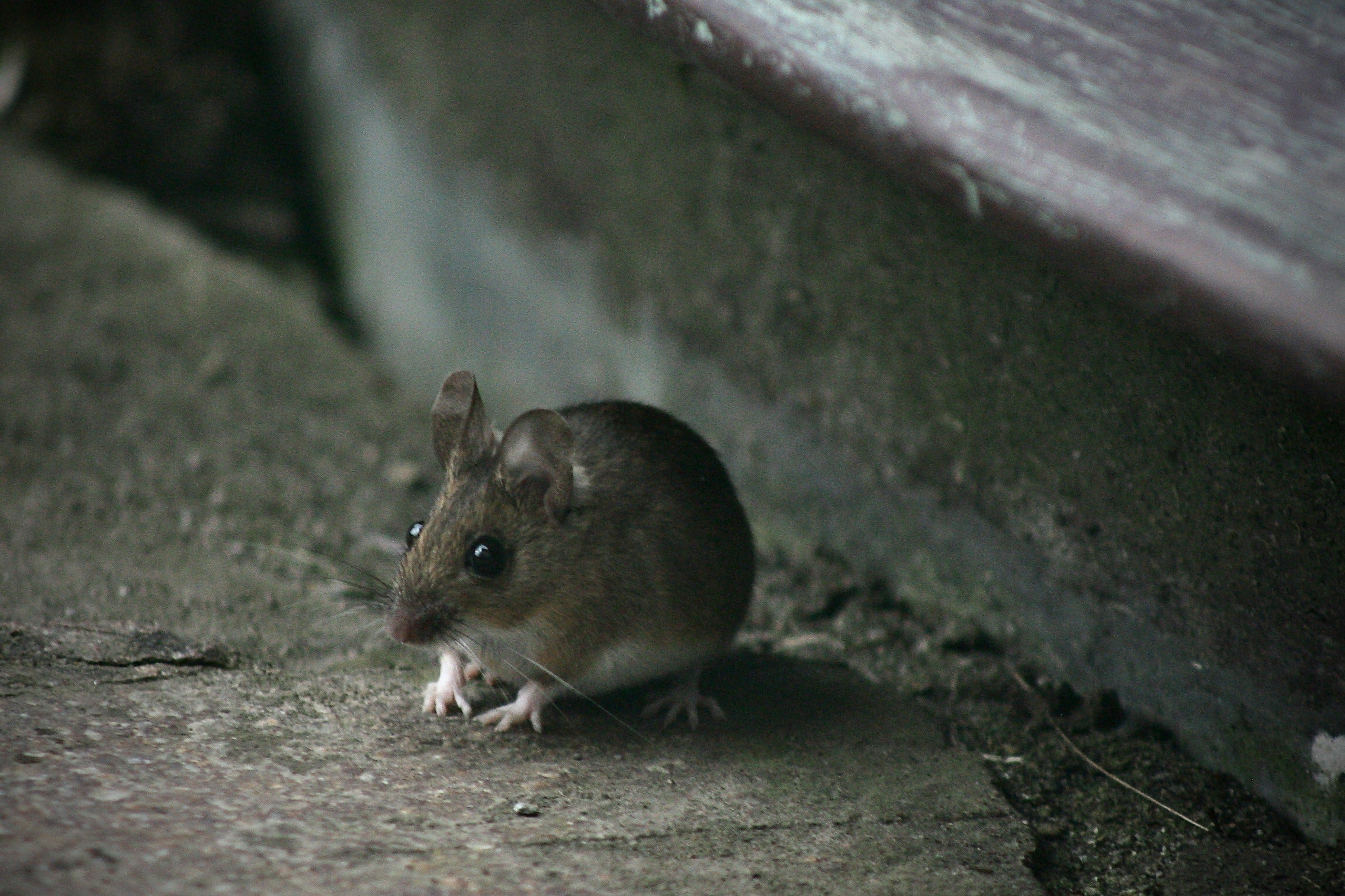
Mice are becoming a more visible problem across the Netherlands, and getting rid of them is proving harder than many households expect. No one is calling it a plague, but pest-control professionals and researchers agree the pressure from mice, and rats, is climbing, particularly in the country’s cities.
A problem that is measurably growing
The clearest hard evidence comes from the hospitality sector. The food safety authority (NVWA) forced a record number of businesses to close temporarily last year over serious risks to public health, 75 emergency closures in 2025, against 57 in 2024, the majority prompted by mice getting into restaurants, supermarkets and bakeries. Beyond that, the true scale is genuinely unknown: there is no central register of household mouse infestations in the Netherlands, so the trend is tracked mainly through what pest controllers and advisory bodies see on the ground.
The warnings are not new. As far back as 2019, the Knowledge and Advisory Centre for Animal Pests (KAD), the national centre in Wageningen that advises government and trains the sector, cautioned that rodent nuisance was set to grow, pointing ahead to the coming restrictions on poison. Cities are the ideal habitat: dense, older housing offers endless food and warm nooks to nest in, and mice travel freely between buildings and through the sewer network.
SPONSORED
You’re overpaying your accountant. And they still don’t call you back.

Neno gives you a dedicated bookkeeper, automated admin, real-time financial insights and a free business bank account. Everything your business needs, in one place.
No chasing. No surprises. No unnecessary costs.
Why poison is no longer the answer
For decades the reflex was to reach for rodenticide. That changed in 2023, when private individuals were barred from using such poisons. The reasons are well established: the toxins accumulate in the food chain and can kill hedgehogs, owls and other animals that eat a poisoned mouse, they can seep into soil and groundwater, and mice can build up resistance to them, blunting their effect. Professional pest controllers may still use certain poisons, but only as a last resort and under strict conditions.
Dutch policy now centres instead on Integrated Pest Management (IPM), the approach set out in work by the RIVM and Wageningen University: prevent first, then use non-chemical methods such as traps, and turn to poison only when all else fails. Since 1998, individual municipalities have been responsible for tackling pests where public health is at risk, though for households, mice are largely treated as the occupant’s own problem to solve.
What is recommended instead
Since eradication is difficult, prevention does the heavy lifting, and it comes down to two things: block the entrances and remove the food. A mouse can pass through a gap the width of a ballpoint pen, so the openings left around pipes, cables, heat pumps and behind kitchen units after building work are common ways in; these can be sealed with steel wool or wire mesh. Food matters just as much, since a few crumbs can sustain them, so storing food in metal or glass and vacuuming regularly removes the incentive.
And if you do set a trap, leave the cheese in the fridge. Despite the cartoons, mice go for fatty, protein-rich food, so peanut butter or nuts work far better.