


See more of Dutch Brief in your Google search results
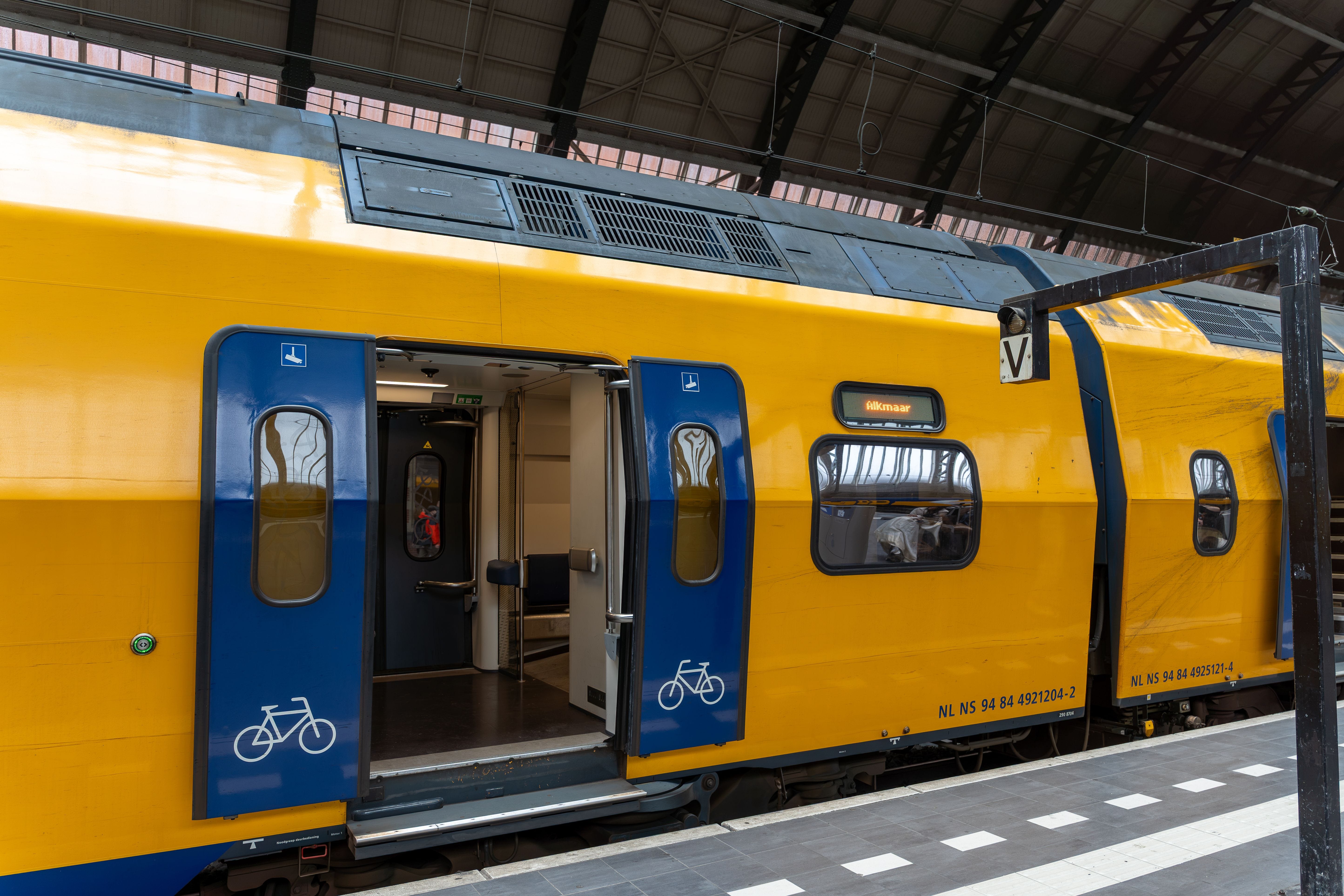
Five hundred residents of Nijmegen on low incomes can now travel by train free of charge, under a trial that began this week. For six months, up to the end of February 2027, they will be able to use the entire national rail network at no cost, with no restrictions during the rush hour.
How it works
The free travel is provided through a pass called the Vooruitpass Nijmegen, issued by the city in partnership with the national rail company NS. To decide who would receive it, the municipality chose people who already held a local bus discount subscription, along with their relatives, a way of targeting households already known to be on limited incomes.
The passholders can travel anywhere NS runs, at any time of day, for the duration of the trial. Unlike many discount schemes, there is no peak-hour exclusion, so the pass is just as usable for commuting to a job as for an off-peak day out.
Why the city is doing it
For Nijmegen, the aim is to remove a barrier that better-off people rarely notice. “For many people, travelling by train is something they take for granted,” said the responsible alderman, John Brom. “But for those on a tight budget, every trip can mean making a difficult choice: is it affordable, and what else will I have to go without?”
The city hopes that taking the cost out of the equation will give people more room to improve their circumstances, by making it easier to look for and travel to work, to visit family, or simply to have a day out. Behind it lies a simple observation: when money is short, the price of a train ticket can quietly shrink a person’s world, limiting where they can go and who they can see.
SPONSORED
You’re overpaying your accountant. And they still don’t call you back.

Neno gives you a dedicated bookkeeper, automated admin, real-time financial insights and a free business bank account. Everything your business needs, in one place.
No chasing. No surprises. No unnecessary costs.
What NS wants to learn
For NS, the trial is as much a study as a gesture. The company sees it as an experiment in how people on low incomes use public transport when cost is no longer an obstacle. The findings, it says, will feed into future plans on public transport accessibility, social participation and reducing poverty, questions that matter for a national rail operator with a public role, not just a commercial one.
That framing also makes the trial useful well beyond the 500 people taking part. If it shows that free or heavily subsidised travel measurably helps people find work or take part more fully in society, it could strengthen the case for wider schemes elsewhere.
Part of a growing experiment
Nijmegen is not the first Dutch city to try this. The same trial began in Amersfoort on 1 July, on a larger scale, with 1,000 residents. Between them, the two cities are building up a picture of what happens when the cost of the train is lifted for people who would otherwise think twice about every journey.
Whether these trials lead to anything more permanent will depend on their results, and, ultimately, on political choices about funding. But at a time when many households are feeling the squeeze, and public debate is preoccupied with the cost of living, the experiments in Nijmegen and Amersfoort are testing a straightforward idea: that the freedom to travel should not depend on how much money you have.