


See more of Dutch Brief in your Google search results
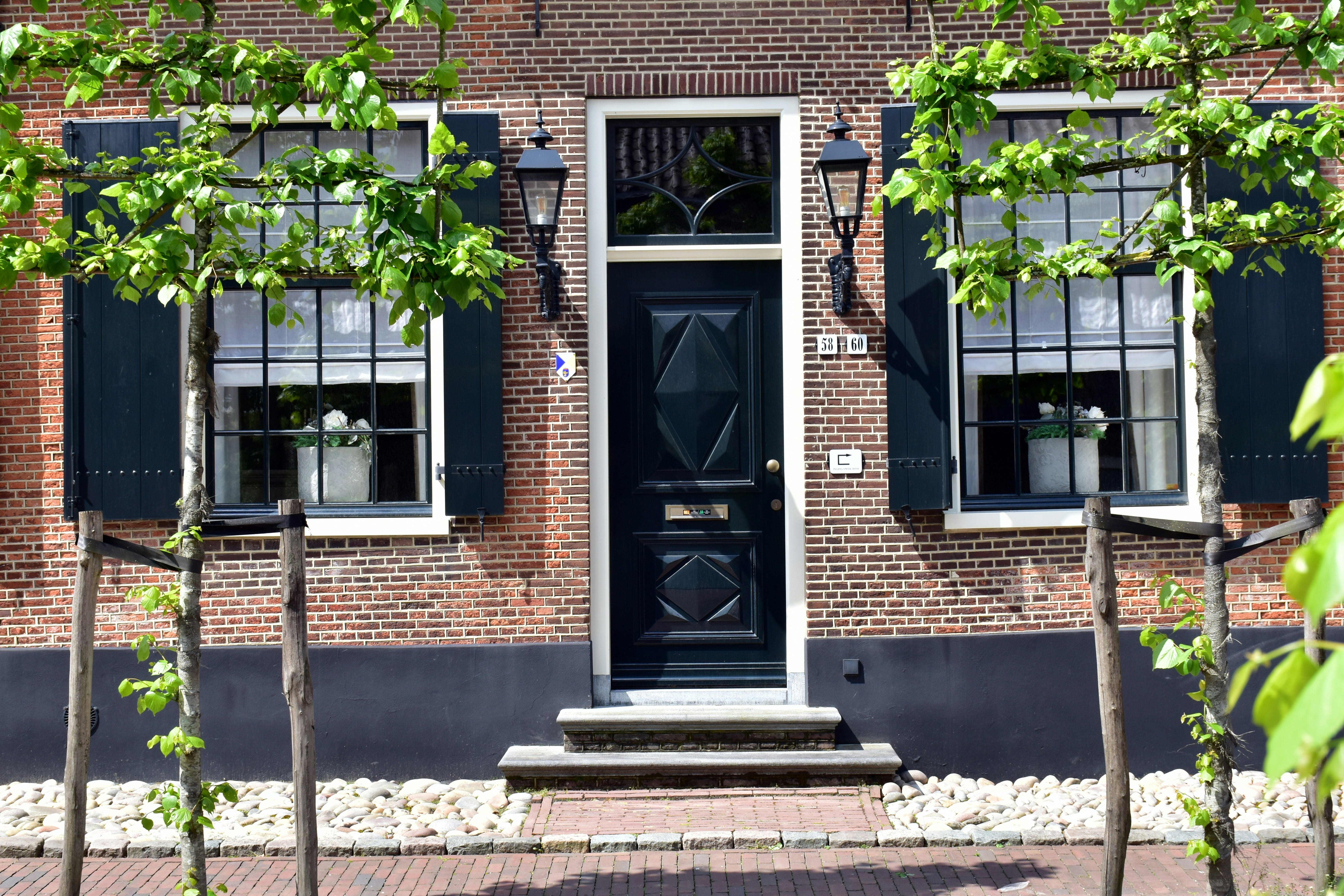
Experts are warning that the Netherlands faces a growing problem with the foundations of its buildings, one that could affect hundreds of thousands of homes and, if left unaddressed, run up a bill of 54 billion euros.
How big the problem is
According to the Council for the Environment and Infrastructure (Raad voor de leefomgeving en infrastructuur, or Rli), a government advisory body, around 425,000 buildings in the Netherlands already have subsidence damage or are likely to develop it between now and 2035. In more than 120,000 of those cases, the damage is serious enough that repairs are necessary.
Without preventive measures, the council warns, those numbers will rise sharply. Its estimate that the total cost could reach 54 billion euros is not only about repairing damaged foundations, but also takes in the loss of value to homes, damage to buildings and infrastructure, and the wider economic consequences.
Why buildings are sinking
Foundation problems rarely have a single cause. The buildings most at risk are those built on wooden piles before 1970, and those that sit directly on the ground without piles. Damage can be caused by falling groundwater levels, drought, bacterial erosion of the wooden piles, construction work nearby, ageing, or faults in the original structure, and usually by several of these at once. In the northern province of Groningen, earthquakes caused by decades of gas extraction have destabilised homes as well.
Climate change is making things worse. “Groundwater levels have a major influence on foundation problems,” said Mandy Korff, a foundations expert at Delft University of Technology and the Deltares research institute. “If the groundwater level drops, whether through human activity or climate change, the ground sinks, and houses without foundation piles sink with it.” A warming climate brings not only more drought but also less water in the ground, exactly the conditions that cause the soil, and the buildings on it, to settle.
SPONSORED
You’re overpaying your accountant. And they still don’t call you back.

Neno gives you a dedicated bookkeeper, automated admin, real-time financial insights and a free business bank account. Everything your business needs, in one place.
No chasing. No surprises. No unnecessary costs.
A collision with the housing target
The problem also runs into one of the government’s central goals. The Rli has urged that new housing be built only on ground solid enough to bear the load. That is sensible, but it makes it harder to meet the cabinet’s target of building 100,000 new homes a year, one of its main priorities, since much of the land where people want to live is soft and low-lying.
“Shortage of space is connected to the choices we make about accessibility, agriculture and where we need to build houses based on where people want to live,” Korff said.
What it means for homeowners and buyers
For individual owners, foundation damage is not only expensive but stressful, and it is often invisible from the outside. There has already been one change aimed at buyers: since April, surveyors have been required to include the state of a property’s foundations in the reports drawn up for homebuyers.
Tamara Evers of SVn, a non-profit that arranges loans for sustainable home repairs, called that a step in the right direction, but noted that foundation problems are not always visible. She also questioned whether homeowners should have to shoulder the cost alone. “Some can afford to repair their homes, others can’t, and the question is whether it is fair to leave it to the individual homeowner when you consider all the different underlying causes,” she said.
A call for a national approach
The heart of the Rli’s message is that the problem is being tackled too slowly and needs to be treated as a national one, before it turns into what it calls a foundations crisis. Among its recommendations are making sure reliable information exists on the state of every building’s foundations, and requiring that information to be shared when a property is sold or rented. It also wants local authorities, water boards and provinces to do more to prevent damage, for example by managing groundwater levels more carefully, and it calls for the existing loan schemes to be improved so that owners who cannot afford repairs are not left stranded.
The council has framed the issue as one that goes beyond money. A safe and affordable home is a basic need, it says, and when foundations fail, that security, both literal and figurative, is put at risk.